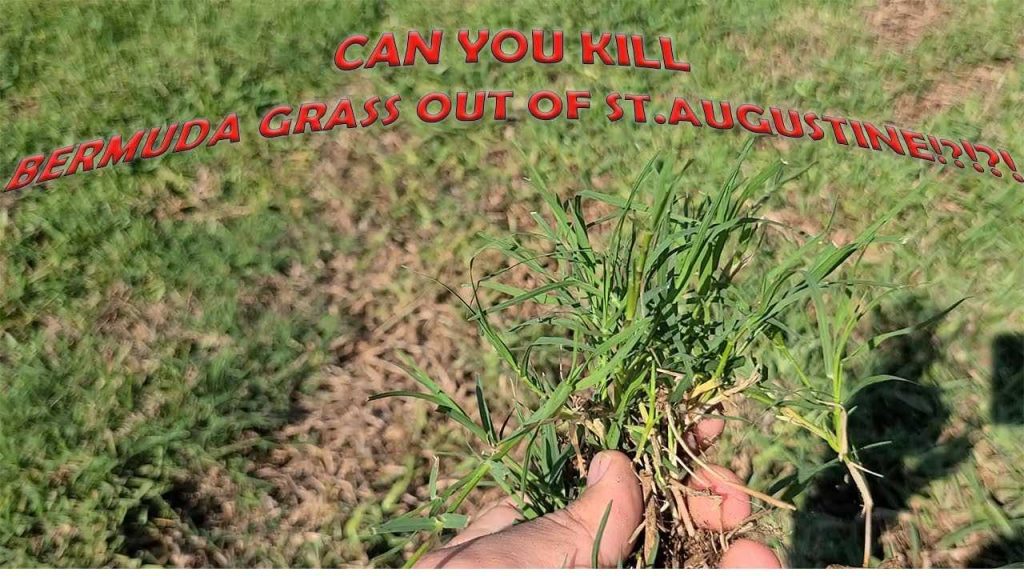
To effectively eliminate Bermuda grass from your St. Augustine lawn, start by manually removing patches and then apply a selective herbicide designed to target Bermuda grass without harming your St. Augustine. Consistent mowing at the right height and proper lawn care can also help prevent its return. With patience and careful maintenance, you can restore the lush, uniform look of your yard.
Dealing with Bermuda grass invading your St. Augustine lawn can be frustrating, but it’s manageable with the right approach. The key is to identify and eliminate Bermuda patches early and to prevent their spread through proper lawn maintenance. Using targeted herbicides combined with regular mowing and watering routines can help restore your yard’s beauty over time. This article provides easy-to-follow tips on how to get rid of Bermuda grass effectively, so you can enjoy a healthy, uniform lawn once again.
If Bermuda grass is taking over your St. Augustine, don’t worry—quick action combined with consistent care can turn things around. Start by removing as much Bermuda as possible manually, then treat stubborn patches with selective herbicides. Keep your St. Augustine healthy through proper mowing, watering, and fertilization, which makes it less susceptible to Bermuda invasion and helps maintain a beautiful, weed-free lawn.

How to Get Rid of Bermuda Grass in St Augustine
Controlling Bermuda grass in a St Augustine lawn can be challenging because Bermuda is a tough, invasive weed that spreads quickly. Understanding how to identify and eliminate Bermuda grass is key to maintaining a lush, healthy St Augustine yard. This section offers practical steps and tips to effectively get rid of Bermuda grass and prevent its return.
Understanding Bermuda Grass and Its Growth Pattern
Bermuda grass is a warm-season perennial that thrives in hot weather and spreads through both runners and seed. It has a fine texture and a dense growth habit that can quickly take over a lawn if left unchecked. Because Bermuda develops deep roots, it can be difficult to eradicate completely.
Unlike St Augustine grass, which has broad blades and a softer texture, Bermuda grass blades are thinner and often appear more vigorous. Recognizing these differences helps you identify the problem areas in your yard. Knowing Bermuda’s growth pattern allows you to target it effectively during removal efforts.
Why Bermuda Grass Invades St Augustine Lawns
Bermuda often invades St Augustine lawns due to similar growing conditions, such as full sun and warm temperatures. It can also spread from nearby Bermuda patches or through contaminated equipment. Compacted soil and irregular watering practices may make your lawn more susceptible to weed invasion.
Over time, Bermuda’s aggressive growth can choke out your St Augustine, causing patchiness and unsightly spots. Proper management and early detection are critical to preventing Bermuda from dominating your yard completely. Understanding these invasion pathways helps you develop a targeted control plan.
Manual Removal Techniques for Bermuda Grass
Hand Pulling and Digging
Hand pulling Bermuda grass is effective in small areas, especially when the weeds are young. Use a sharp garden trowel or spade to carefully dig out the roots and runners. Be thorough to remove as much of the rhizomes and stolons as possible.
For larger patches, consider using a hoe or garden fork to loosen the soil and extract the weed. Regularly inspecting your lawn for new Bermuda shoots helps keep the problem under control. Always remove the plant from the soil to prevent regrowth.
Smothering Bermuda Grass
Covering Bermuda with heavy materials like black plastic or landscape fabric blocks sunlight and prevents growth. Leave the cover in place for several weeks to weaken the weed. This method works well for small patches and can be combined with manual removal once Bermuda turns yellow or dies back.
Be sure to secure the edges of your cover to prevent Bermuda from pushing through. After the Bermuda has been smothered, remove the cover and reseed the area with healthy St Augustine grass.
Chemical Control Options for Bermuda Grass
Herbicides Suitable for Bermuda Control
Use selective herbicides containing glyphosate for spot treatments on Bermuda patches. Glyphosate is non-selective, so be careful to apply it directly to Bermuda grass, avoiding your St Augustine. For larger areas, a more systemic approach with a glyphosate-based product may be required.
Follow the manufacturer’s instructions carefully, applying on a dry day with no rain forecast. Repeated applications may be necessary for complete eradication. Always wear protective gear and keep children and pets away from treated areas.
Timing and Application Tips
Apply herbicides in late spring or early summer when Bermuda is actively growing. This ensures maximum absorption and effectiveness. Use a spray wand or brush to target Bermuda and minimize damage to Your St Augustine lawn.
Monitor the treated areas regularly and reapply as necessary, especially after heavy rain or if Bermuda regrows. Combining herbicide use with manual removal provides a more effective and lasting solution.
Adjusting Lawn Care Practices to Prevent Bermuda Return
Proper Watering and Fertilization
St Augustine grass prefers deep, infrequent watering. Proper watering strengthens your lawn and makes it more resistant to weeds. Avoid overwatering, which can promote Bermuda’s growth, and ensure your lawn receives the right amount of fertilizer for healthy growth.
Apply a high-quality, recommended fertilizer for St Augustine to improve its vigor. A healthy, dense lawn leaves fewer opportunities for Bermuda to establish itself.
Soil Management and Aeration
Loosen compacted soil through aeration to promote healthy root growth of your St Augustine. Good soil drainage prevents Bermuda from thriving in moist conditions. Testing your soil and adjusting pH levels can also help create a less hospitable environment for Bermuda grass.
Overseeding and Lawn Renovation
If Bermuda has invaded large sections of your yard, overseeding with St Augustine or renovating damaged areas might be necessary. Remove Bermuda grass manually or chemically, then reseed or lay new sod for an even, lush lawn. This process ensures Bermuda does not re-establish itself.
Maintaining a Healthy St Augustine Lawn to Outcompete Bermuda
- Ensure proper mowing height: keep St Augustine at 3 to 4 inches to shade out Bermuda runners.
- Maintain consistent watering to promote dense growth.
- Fertilize regularly with appropriate nutrients to strengthen your grass.
- Aerate annually to improve air, water, and nutrient penetration.
- Address pest or disease problems promptly to keep your grass healthy.
Helpful Tips for Long-Term Bermuda Grass Control
- Regularly inspect your lawn for early Bermuda growth.
- Promptly remove new Bermuda patches before they expand.
- Use a combination of manual, chemical, and cultural methods for best results.
- Adjust your lawn care practices seasonally to discourage Bermuda growth.
- Seek professional lawn care advice for persistent Bermuda infestations.
Controlling Bermuda grass in a St Augustine lawn requires patience, consistency, and the right approach. Combining manual removal, herbicide application, and proper lawn care practices can help you achieve a beautiful, Bermuda-free yard. Regular maintenance prevents Bermuda from returning, ensuring your lawn stays healthy and vibrant.
New Way To Get Rid of Bermuda Grass In St Augustine (and Zoysia)
Frequently Asked Questions
What are effective methods to eliminate Bermuda grass from St. Augustine lawns?
To effectively remove Bermuda grass from your St. Augustine lawn, start by manually removing as much Bermuda grass as possible. Apply a selective herbicide designed to target Bermuda grass without harming St. Augustine. Regularly monitor your lawn and reapply treatments as needed, ensuring you remove new Bermuda grass shoots early. Improving your lawn’s health through proper fertilization and watering can also help the St. Augustine grass outcompete Bermuda grass over time.
How can I prevent Bermuda grass from spreading into my St. Augustine yard?
Prevent Bermuda grass from invading your St. Augustine lawn by establishing a strong, healthy turf. Maintain proper mowing heights for St. Augustine to prevent Bermuda from establishing itself, as Bermuda prefers lower cuts. Use a physical barrier or edging to contain Bermuda grass, and avoid overwatering or fertilizing with high nitrogen that can promote Bermuda growth. Regularly inspect your lawn for new Bermuda grass and address it promptly to prevent spread.
Are there specific herbicides recommended for Bermuda grass removal in St. Augustine lawns?
Yes, selective herbicides containing glyphosate or fluazifop-P-butyl effectively target Bermuda grass without damaging St. Augustine. Always follow label instructions carefully and apply during active Bermuda growth for the best results. Consider spot-treating patches rather than broad application to minimize damage to your desirable grass. Consulting with a lawn care professional can help identify the most suitable herbicide for your specific lawn conditions.
Final Thoughts
Removing Bermuda grass from St. Augustine turf requires consistent effort. Use a process of manual removal combined with appropriate herbicides designed for Bermuda grass. Apply the herbicide carefully to avoid damaging your St. Augustine lawn. Keep your yard healthy through proper watering, fertilization, and overseeding to prevent Bermuda from regrowing.
To get rid of Bermuda grass in St. Augustine, patience and persistence are key. Regular maintenance and targeted treatment will gradually eliminate Bermuda and restore your lawn’s health.