For lush, healthy Bermuda grass, aim to give it about 1 to 1.5 inches of water per week, either through rainfall or supplemental watering. Consistent watering helps maintain vibrant green turf and prevents drought stress. Adjust your watering schedule based on weather conditions, soil type, and grass health to keep your lawn hydrated without overwatering.
To keep Bermuda grass thriving, you should water deeply but infrequently, providing about 1 to 1.5 inches of water weekly. This promotes strong root growth and resilience against drought. Monitoring your lawn and adjusting watering practices based on climate and soil will ensure your grass stays lush and healthy all season long.
If you want a pristine Bermuda lawn, understanding how much water it needs is key. Generally, you should water your Bermuda grass around once a week with about 1 to 1.5 inches of water, whether from rainfall or irrigation. Deep, thorough watering encourages deep roots, which help the grass withstand dry spells. Overwatering can lead to disease and shallow roots, so finding the right balance is essential for a vibrant, healthy lawn. Regularly check your soil moisture and adjust your watering schedule accordingly for the best results.

How Much Water for Bermuda Grass
Getting the right amount of water for Bermuda grass is key to keeping your lawn healthy and green. Knowing exactly how much water your grass needs can help you avoid under-watering or over-watering. Proper watering encourages strong root growth and makes your lawn more resistant to drought and pests.
Understanding Bermuda Grass Water Requirements
Bermuda grass is a warm-season grass that thrives in hot, sunny weather. It needs consistent watering to stay lush and vibrant. Typically, Bermuda grass requires about 1 to 1.25 inches of water per week, including rainfall, to stay healthy during the growing season.
Factors Affecting Water Needs
- Climate: Hotter and drier climates increase water demand.
- Soil Type: Sandy soils drain quickly, needing more frequent watering, while clay soils retain moisture longer.
- Lawn Size: Larger lawns require more water in total but similar depth per area.
- Season: Water needs decrease during dormancy in winter but peak in summer.
How to Measure Watering Amounts Accurately
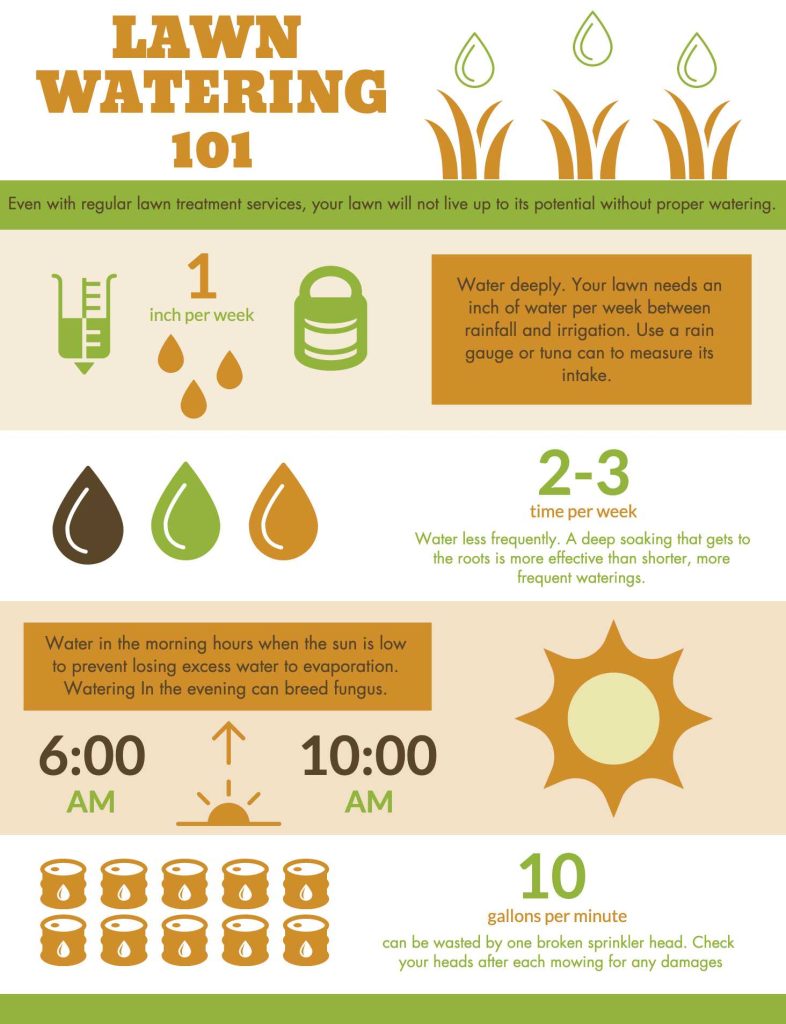
The best way to measure how much water your Bermuda grass receives is through a simple method called the catch cup test. Place small containers like tuna cans around your lawn during watering, then check the amount of water collected to gauge your watering schedule.
Steps for the Catch Cup Test
- Place several empty cans or containers evenly across your lawn.
- Water your lawn as usual for a set period, such as 15 or 20 minutes.
- Measure the water in each container using a ruler or measuring cup.
- If the total amount in all containers totals about 1 inch of water, you’re watering correctly.
Adjusting Watering Frequency and Depth
Bermuda grass benefits from deep, infrequent watering rather than shallow, frequent sessions. Deep watering encourages roots to grow down into the soil, making the lawn more drought-resistant.
Best Practices for Deep Watering
- Water until the soil is moist to a depth of at least 6 inches.
- Typically, this requires about 1 to 1.25 inches of water per week.
- Divide this amount into 2 to 3 watering sessions to prevent runoff and ensure deep penetration.
Signs That Your Bermuda Grass Needs Water
It’s important to recognize when your lawn is thirsty. Look for these signs:
- Wilting: Grass blades start to fold or appear limp.
- Color Change: Grass turns dull or bluish-green.
- Footprints: Imprints remain on the grass after walking on it.
- Soil Dryness: Soil feels dry several inches below the surface.
Watering Tips for Optimal Bermuda Grass Growth
Best Time to Water
The early morning, ideally before sunrise, is the perfect time to water your Bermuda grass. This minimizes evaporation and allows the grass to dry out during the day, reducing disease risk.
Avoid Overwatering
Overwatering can lead to shallow roots, disease issues, and fungus growth. Ensure your lawn has adequate drainage and avoid watering in the evening to prevent prolonged moisture on the grass.
Maintaining a Consistent Schedule
- Create a weekly schedule based on your local climate and soil type.
- Adjust watering frequency during rainy seasons or droughts.
- Use a rain gauge to track natural rainfall and modify watering accordingly.
Watering Options: Hand vs. Automatic Systems
Manual Watering
Using a hose or watering can is flexible but can be time-consuming. It allows you to target specific areas but requires vigilant attention to avoid uneven watering.
Sprinkler Systems
Automatic sprinklers provide consistent coverage and save time. Regular maintenance, such as checking for clogs or broken heads, ensures they deliver the right amount of water.
Choosing the Right Sprinkler
| Sprinkler Type | Coverage Area | Best For |
|---|---|---|
| Rotor Sprinklers | Large lawns | Even watering over big areas |
| Spray Head Sprinklers | Small to medium lawns | Precise watering in specific zones |
| Soaker Hoses | Border areas or flower beds | Slow, uniform moisture |
Seasonal Adjustments in Watering
During peak summer months, Bermuda grass may need more frequent watering due to heat and evaporation. In cooler months or during dormancy, reduce watering to prevent mold or root rot.
Summer Tips
- Increase watering to maintain moisture levels.
- Check sprinkler coverage regularly for dry patches.
- Ensure grass dries quickly after watering to prevent disease.
Winter Tips
- Cut back on watering, possibly once every few weeks depending on rainfall.
- Monitor soil moisture but avoid soggy conditions.
- Prepare irrigation systems for winter shutdown if necessary.
Common Watering Mistakes to Avoid
- Watering too frequently: Shallow roots develop, making grass less drought-tolerant.
- Watering at the wrong time: Evening watering encourages fungus growth.
- Ignoring soil type: Clay and sandy soils require different watering strategies.
- Using uneven watering methods: Can cause patchy growth or dry spots.
Additional Tips for Maintaining a Healthy Bermuda Grass Lawn
Besides watering correctly, other practices support a lush lawn. These include mowing at the right height, fertilizing properly, and aerating the soil periodically.
Mowing Guidelines
- Keep grass height around 1 to 2 inches for optimal health.
- Higher mowing height helps shade roots and retain moisture.
Fertilization and Soil Care
- Use a nitrogen-rich fertilizer suited for warm-season grasses.
- Aerate your lawn annually to improve soil penetration and water absorption.
Pest and Disease Prevention
- Maintain proper watering to avoid fungal diseases like brown patch.
- Regularly inspect your lawn for pests and treat promptly.
Getting the watering right for Bermuda grass involves understanding your lawn’s specific needs, monitoring weather conditions and soil type, and following a consistent schedule. Adequate deep watering promotes strong roots and a resilient, beautiful lawn that can withstand the challenges of summer heat and droughts.
Bermuda Lawn Care – 5 Basics – For A Nice Green Lawn – Beginners Start Here!
Frequently Asked Questions
How often should I water Bermuda grass during the growing season?
During the active growing season, water Bermuda grass about 1 to 1.5 inches per week, including rainfall. Divide this amount into 2 to 3 deep watering sessions to encourage deep root growth and ensure the grass remains healthy and resilient.
What is the best time of day to water Bermuda grass for optimal results?
Water Bermuda grass early in the morning, ideally between 4 a.m. and 10 a.m. This timing allows the grass to absorb moisture before the heat of the day causes evaporation. Morning watering also helps prevent diseases by allowing the grass to dry before nightfall.
How can I tell if I am applying the right amount of water to Bermuda grass?
Check the soil moisture by inserting a screwdriver or a moisture meter into the ground. If the tool goes in easily and the soil feels moist but not soggy, you’re watering correctly. Adjust your watering schedule based on weather conditions, ensuring the top 6 inches of soil stay consistently moist for healthy growth.
What adjustments should I make to watering during hot or dry periods?
In hot or dry weather, increase watering to compensate for higher evaporation rates. You may need to water more frequently or extend each watering session to deliver about 1.5 inches per week. Use a rain gauge to monitor rainfall and adjust your schedule accordingly.
Final Thoughts
Pour maintenir Bermuda grass healthy, water it deeply but infrequently. Aim for about 1 to 1.25 inches of water weekly, including rainfall.
Adjust watering based on weather conditions and soil type. During hot, dry periods, increase watering; during cooler months, reduce it.
Knowing how much water for Bermuda grass is essential to prevent drought stress or overwatering. Proper watering promotes lush growth and a vibrant lawn.