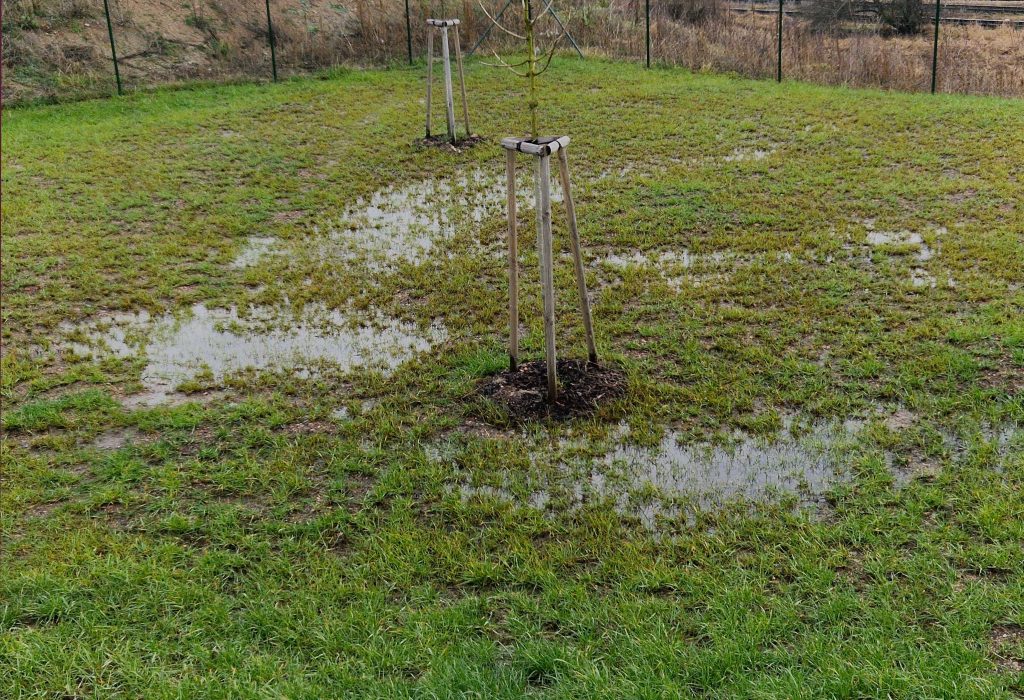
Yes, compacted soil can definitely cause drainage problems. When soil is densely packed, water struggles to penetrate and flow through it, leading to pooling and potential flooding. Proper drainage relies on loose, well-draining soil to carry away excess water efficiently.
Compacted soil is a common issue in many landscapes, especially in heavily trafficked areas or places with poor soil management. When soil particles are pressed tightly together, they create a barrier that prevents proper water movement, increasing the risk of water stagnation and runoff issues. If you’re noticing that your yard stays soggy after rain or your plants aren’t getting enough water, soil compaction might be the culprit. Understanding how compacted soil impacts drainage can help you take simple steps to improve your landscape health and prevent water-related problems.

Can compacted soil cause drainage issues?
Understanding What Compact Soil Is
Compacted soil is soil that has been pressed down tightly, reducing the spaces between soil particles. This can happen naturally over time or because of human activities like walking, driving, or construction. When soil becomes compacted, it loses its ability to hold and move water easily.
Why Soil Compaction Matters for Drainage
Soil needs to have enough air spaces to allow water to pass through. When soil is compacted, these spaces shrink, making it harder for water to drain away. This can lead to water pooling and flooding in your yard or garden.
How Does Compact Soil Affect Water Movement?
In healthy, loose soil, water seeps down quickly and evenly. In compacted soil, water remains on the surface or moves very slowly. This slow drainage causes excess water to gather, creating soggy patches and muddy areas.
Common Causes of Soil Compaction
Soil gets compacted from various sources. Some common reasons include:
- Heavy equipment or vehicles driving over the soil
- Frequent foot traffic in one place
- Poorly managed landscaping or construction activities
- Heavy rains that erode soil structure
Understanding these causes helps in preventing or relieving compaction.
Signs of Soil Compaction and Drainage Problems
Identifying compacted soil early can save time and effort. Look for these signs:
- Water pooling in certain areas after rain
- Soil feels hard or stony beneath your feet
- Water takes a long time to soak into the ground
- Plants show signs of poor growth or wilting
These indicators point to poor drainage caused by soil compaction.
The Impact of Compacted Soil on Gardens and Lawns
A garden or lawn with compacted soil can suffer from poor plant health. Roots struggle to grow deep because of limited water and air. As a result, plants may become weak, yellow, or die prematurely.
Drainage and Soil Texture Relationship
Soil types influence drainage capabilities. For example:
| Soil Type | Drainage Characteristics |
|---|---|
| Sandy Soil | Excellent drainage, drains quickly |
| Silty Soil | Moderate drainage, retains some water |
| Clay Soil | Poor drainage, retains a lot of water |
Compaction worsens drainage problems, especially in clay and silty soils.
Why Clay Soil Is Especially Susceptible
Clay soil naturally has tiny particles packed tightly together. When compacted, these particles become even less permeable. This makes drainage difficult, often leading to persistent puddles and waterlogged areas.
How Soil Compaction Affects Drainage in Different Environments
Urban Areas often experience compacted soil due to construction and foot traffic. This can cause flooding and damage to landscaping. Agricultural Fields with compacted soil face reduced crop yields because water does not reach plant roots effectively.
Leaching and Nutrient Loss in Compacted Soil
Poor drainage in compacted soil can lead to issues beyond water pooling. Excess water can leach away essential nutrients, weakening plants and reducing soil fertility. This creates a cycle of poor plant growth and ongoing drainage trouble.
Consequences of Long-Term Soil Compaction
If soil remains compacted over time, the problems worsen. Roots become restricted, plants weaken, and the risk of erosion increases. It also becomes more difficult to fix the problem without significant soil management efforts.
Methods to Detect Soil Compaction
Testing soil compaction involves simple tools and observations:
- Using a penetrometer to measure resistance
- Examining soil firmness with your hands
- Looking for signs of poor drainage and plant stress
Early detection helps you take action before serious problems develop.
Strategies to Reduce or Prevent Soil Compaction
Prevention is often easier than remediation. Here are some practical steps:
- Avoid walking or driving on wet soil
- Use plant cover or mulch to protect soil surface
- Limit heavy machinery use over garden areas
- Implement proper landscaping techniques to minimize soil disturbance
These methods help maintain healthy soil structure and good drainage.
Amending and Loosening Compacted Soil
If your soil is already compacted, you can improve it:
- Aeration: Use a garden fork or aerator to create holes in the soil
- Adding Organic Matter: Incorporate compost or mulch to loosen soil particles
- Use of Soil Conditioners: Apply gypsum in clay soils to improve permeability
Best Practices for Improving Drainage
In addition to loosening soil, consider:
- Constructing drainage ditches or French drains
- Creating raised beds for planting
- Installing permeable paving surfaces to allow water flow
These solutions help redirect water and prevent pooling.
Importance of Proper Landscaping and Maintenance
Maintaining healthy soil is vital for good drainage. Regularly aerating, adding organic matter, and avoiding compacting activities can prevent drainage issues. Good drainage encourages healthy plant growth and a tidy yard.
Related Topics to Explore
Besides soil compaction, other factors influence drainage:
- Proper grading and contouring of land
- Installing drainage systems like pipes or catch basins
- Soil testing for pH and texture adjustments
Understanding these concepts provides a comprehensive approach to managing drainage problems.
Latest Technologies and Tools for Managing Soil Drainage
Emerging solutions include:
- Digital soil moisture sensors for real-time monitoring
- Smart irrigation systems that prevent overwatering
- Soil compaction testers for quick field assessments
Using modern tools makes managing soil health easier and more effective.
So, can compacted soil cause drainage issues? Absolutely. Compaction reduces soil porosity and impairs water movement, leading to pooling, soggy lawns, and plant stress. Addressing soil compaction through proper management and soil amendments can restore healthy drainage and protect your landscape.
Maintaining loose, well-draining soil ensures water moves away efficiently, supporting healthy plants and preventing long-term problems. Regular soil checks and thoughtful practices can keep your environment free from drainage issues caused by compaction.
Frequently Asked Questions
How does soil compaction impact water absorption in the ground?
Soil compaction reduces the pore spaces between soil particles, which limits the soil’s ability to absorb water. As a result, water tends to run off the surface rather than infiltrate, increasing the risk of pooling and surface runoff issues.
What signs indicate that compacted soil is causing drainage problems in a landscape?
Signs include areas where water pools after rainfall, prolonged sogginess, and waterlogged spots that do not dry out easily. You may also notice plant stress or root rot due to excess moisture, which points to poor drainage caused by soil compaction.
Can compacted soil lead to faster erosion during heavy rains?
Yes, compacted soil often cannot absorb and hold water effectively. When heavy rains occur, the excess water flows quickly over the surface, increasing runoff and the potential for erosion as the soil cannot resist the force of moving water.
How can soil aeration improve drainage in compacted areas?
Soil aeration creates small holes and channels that break up compacted layers, allowing air, water, and nutrients to penetrate deeper into the soil. This process enhances infiltration and reduces surface water accumulation, improving overall drainage.
What methods can prevent soil compaction and drainage issues in future landscaping projects?
To prevent compaction, avoid walking heavily or placing equipment on wet soil, use organic mulches, and incorporate organic matter into the soil. Implementing proper tilling practices and ensuring adequate drainage systems help maintain soil structure and prevent future drainage problems.
Final Thoughts
Compacted soil reduces porosity, making it harder for water to seep through. This leads to poor drainage and potential flooding around your property.
When soil is tightly packed, it prevents excess water from dispersing efficiently, causing puddles and erosion issues.
Can compacted soil cause drainage issues? Yes, it often results in water pooling and increased runoff, which can damage landscapes and structures. Proper soil management helps ensure effective drainage and prevents long-term problems.