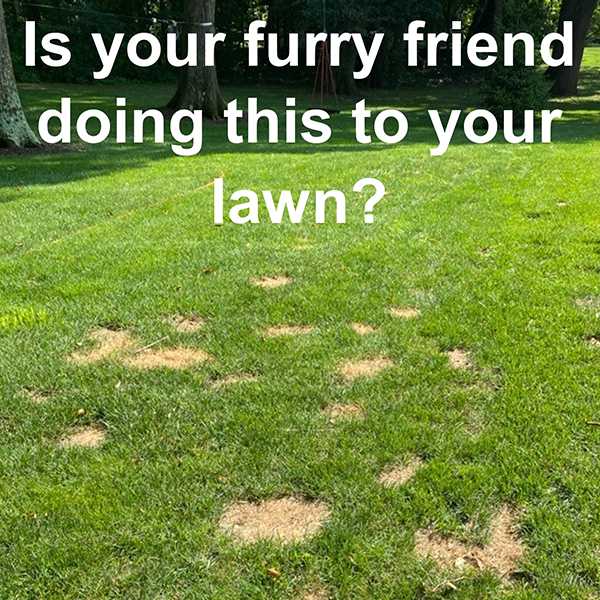
To quickly repair a lawn damaged by pet urine, flush the affected area with plenty of water to dilute the urine, then reseed or patch the dead spots with healthy grass. Applying lime can also help neutralize the acidity, promoting new growth. Regular watering and proper lawn care will keep your grass lush and resilient.
If your lawn has been damaged by pet urine, don’t worry—there are effective ways to restore its health and beauty. The first step is to rinse the affected spots thoroughly with water to dilute the urine’s harmful chemicals. Next, you can repair dead patches by reseeding or overseeding with hardy grass varieties. Adding lime can neutralize the acidity caused by urine, preventing further damage. Maintaining a well-watered and healthy lawn through proper fertilization and mowing will help your grass recover and become more resistant to future pet-related issues. With consistent care, your lawn can bounce back and stay lush and vibrant.

How to Fix Lawn with Pet Urine Damage
Understanding the Damage Caused by Pet Urine
Pet urine contains high levels of nitrogen and salts, which can lead to brown or scorched patches on your lawn. When pets urinate frequently in the same area, these patches become more prominent and persistent. The damage appears as dead grass, often surrounded by healthy grass, making the lawn look uneven and unattractive. Recognizing the extent of the damage helps determine the best repair strategy.
Assessing the Damage
Start by walking around your yard and identifying areas affected by pet urine. Look for areas with discoloration or dead patches of grass. Use a small shovel or garden fork to gently dig into the damaged spots to check the soil condition. If the soil feels excessively dry or compacted, it might need aeration or additional amendments. Mapping out the affected zones makes it easier to plan your repair approach.
Immediate Steps to Minimize Future Damage
To prevent further damage, train your pets to urinate in designated areas. Provide a specific spot in your yard with a stand-in surface, like gravel or mulch, so pets get used to that location. Rinsing the area with water immediately after your pet urinates can dilute the salts and nitrogen, reducing the severity of the damage. Consistent watering is especially helpful during hot or dry weather to flush out harmful compounds.
Cleaning and Preparing the Affected Area
Remove any dead grass or debris from the damaged patches using a rake or garden hoe. This creates a clean surface for new grass or repair materials. Loosen the soil gently to improve water absorption and aeration. If the soil is compacted or has an excess of salts, consider lightly tilling or aerating to break up the soil crust, helping new grass roots establish more easily.
Restoring the Lawn with Soil Amendments
Soil quality plays a crucial role in the regrowth of healthy grass. Test your soil to determine pH levels and nutrient content. If the soil is overly acidic or basic, add lime or sulfur to balance it. Incorporate organic matter such as compost or peat moss to improve soil structure and fertility. These amendments help create an environment conducive for grass seed germination and growth.
Correcting pH Imbalances
Pet urine often impacts soil pH, making it more acidic or alkaline. Use a soil test kit to identify pH imbalances. Based on results, add the appropriate amendments: lime for acidic soils or sulfur for alkaline soils. Correcting pH levels helps grass roots absorb nutrients more effectively, promoting healthier growth.
Reseeding or Sodding the Damaged Areas
Choose a grass seed suitable for your climate, soil type, and lawn conditions. For small patches, spreading grass seed evenly over the prepared soil is adequate. Gently press the seeds into the soil using a roller or foot to enhance seed-to-soil contact. For larger areas, consider laying new sod for instant results and a more uniform appearance.
Seeding Tips for Better Results
– Use high-quality, disease-resistant grass seed.
– Spread seed at the recommended rate indicated on the package.
– Cover the seeds lightly with a thin layer of soil or compost.
– Keep the soil consistently moist until new grass establishes.
Implementing Lawn Care Practices to Prevent Future Damage
Regular lawn maintenance can reduce the severity of pet urine damage over time. Mow at the correct height for your grass type, which promotes a dense lawn that can better withstand pet traffic. Water the lawn deeply and infrequently to encourage deep root growth and dilute any salts from pet urine. Aerate the lawn annually to alleviate soil compaction and improve nutrient uptake.
Establishing a Pet-Friendly Lawn Routine
Create zones in your yard where pets are encouraged to urinate. Use training techniques like positive reinforcement to direct your pets to these areas. Installing physical barriers or decorative fencing can help keep pets away from delicate or recently repaired sections of your lawn. Consistent habits reduce the risk of recurring damage and promote a healthier, greener yard.
Using Lawn Repair Products and Supplements
There are specific products designed to repair and protect lawns affected by pet urine. Lawn repair mixes contain nutrients, soil amendments, and grass seed formulated to revive damaged areas quickly. Consider applying lawn rejuvenators or pH-adjusting products if your soil tests indicate imbalance. These products improve soil health and foster rapid grass recovery.
Applying Lawn Repair Mixes
Follow the manufacturer’s instructions regarding application rates and timing. Spread the mix evenly over the damaged areas using a broadcast spreader or hand-held spreader. Water the area thoroughly after application to help nutrients penetrate the soil and promote seed germination or sod rooting.
Maintaining a Healthy Lawn for Pet Owners
Healthy lawns are more resistant to pet urine damage. Fertilize your lawn with a balanced, slow-release fertilizer in spring and fall to maintain nutrient levels. Proper watering ensures the salts are diluted and washed away, reducing the chances of scorch patches. Keep grass at optimal mowing height to promote dense growth, which helps shield underlying soil.
Additional Tips for a Pet-Friendly Lawn
– Avoid over-fertilizing, which can make grass more susceptible to damage.
– Use organic or natural lawn fertilizers to minimize chemical buildup.
– Regularly aerate to reduce soil compaction and improve nutrient flow.
– Address pest or disease issues promptly to keep your lawn strong.
Considering Professional Lawn Repair Services
If damage is extensive or persistent, professional lawn services can help. Experts can assess your soil and turf health, then recommend tailored treatments like aeration, overseeding, or soil correction. They often have access to specialized equipment and products for faster and more uniform lawn recovery. Professional repair can be a worthwhile investment for achieving a lush, healthy yard.
Related Topics for Better Lawn Care
- Best Grass Types for Pet Owners
- How to Choose Pet-Safe Fertilizers
- Natural Remedies for Lawn Repair
- Creating a Pet-Friendly Garden
- Managing Lawn Pests with Pets in the Yard
By understanding the causes of pet urine damage and following a comprehensive repair approach, you can restore your lawn’s beauty and health. Regular maintenance, careful planning, and pet training are key to preventing future issues and creating a yard that is both welcoming for pets and appealing to the eye.
Frequently Asked Questions
What are effective methods to restore a lawn damaged by pet urine?
To restore your lawn, start by watering the affected areas immediately to dilute the urine salts. Remove any dead or brown grass and aerate the soil to improve water penetration. Applying a nitrogen-rich fertilizer can promote healthy grass growth. For severe damage, reseed or lay new sod in those patches to encourage quick recovery. Consistently maintaining proper watering habits and keeping pets from frequenting the same spots can help prevent future damage.
How can I prevent pet urine from damaging my lawn in the future?
Prevention begins with training your pet to urinate in designated areas away from your main lawn. Regularly watering areas where your pet tends to urinate can dilute urine salts before they damage the grass. Consider creating a specific potty zone with gravel or mulch to protect your grass. Providing ample hydration for your pet encourages dilute urine, reducing the potential harm. Consistent maintenance and monitoring help keep your lawn healthy over time.
Are there specific grass types more resistant to pet urine damage?
Yes, some grass varieties show better resistance to pet urine. Cool-season grasses like fescue, Kentucky bluegrass, and perennial ryegrass generally recover faster from urine damage. Warm-season grasses such as Bermuda and Zoysia also tend to handle urine better but may require different care. Choosing a resilient grass type suited to your climate and maintaining proper lawn care practices can improve your lawn’s ability to withstand pet-related stress.
Final Thoughts
To fix lawn with pet urine damage, start by removing the affected grass and soil. Reseed or patch the area with healthy grass to promote new growth. Next, water the spot thoroughly to dilute remaining urine salts. Using lawn repair products can also help restore the damaged area more quickly. Consistent watering and proper lawn care prevent future damage. Understanding how to fix lawn with pet urine damage helps maintain a lush, green yard and keeps your outdoor space inviting.