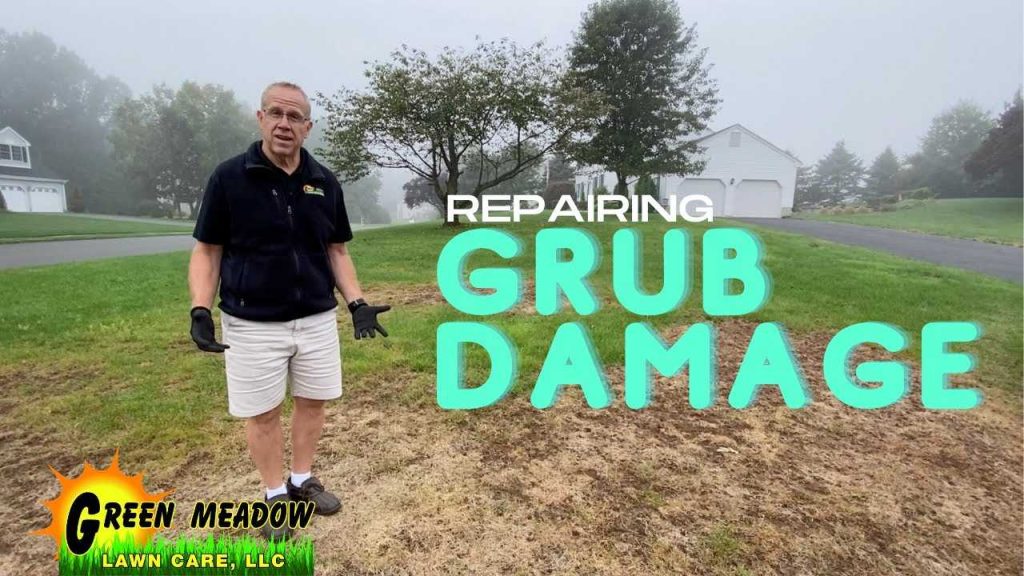
To repair a lawn affected by grubs, act quickly by applying beneficial nematodes or an appropriate insecticide, followed by overseeding and proper watering. These steps will help eliminate grubs, restore the health of your grass, and promote lush growth again.
Addressing a grub-infested lawn doesn’t have to feel overwhelming. First, identify the problem by checking for signs like patches of dying grass or increased mole activity. Treat the soil with natural predators like beneficial nematodes or choose a targeted insecticide to eliminate the grubs. Once the pests are under control, improve your lawn’s resilience by overseeding thin areas and ensuring consistent watering and fertilization. With patience and proper care, you can revive your lawn and enjoy a lush, healthy yard once more.
Your lawn takes a hit when grubs invade, leaving patches of brown and thinning grass. These pesky larvae feast on grassroots, weakening the turf’s foundation. The good news? Quick intervention with natural or chemical treatments can wipe out the grubs. Follow up with aeration, overseeding, and regular watering to help your lawn bounce back stronger than ever. The key is acting promptly and maintaining good lawn care habits to keep pests at bay and ensure your yard stays vibrant and green.

How to repair lawn affected by grubs
Understanding Grubs and Their Impact on Your Lawn
Grubs are the white, C-shaped larvae of beetles like Japanese beetles, June bugs, and European chafers. They live underground, feeding on grass roots, which weakens the turf. When grubs multiply, they cause noticeable patches of dead or dying grass that can be easily pulled up.
A lawn heavily affected by grubs may look patchy, with brown or yellow areas that are soft and spongy. You might also see birds or skunks digging in the yard for these tasty larvae. Recognizing signs early helps you manage the problem before it spreads further.
Assessing the Damage and Identifying Grub Infestation
Before starting repair, it’s important to confirm the presence of grubs. Use a simple test: cut a small square of turf, peel back the grass, and count the grubs in the soil underneath. If you find more than five grubs per square foot, the infestation is serious.
Check for telltale signs such as:
- Patchy, thinning grass that pulls up easily
- Dead patches that become bare in dry weather
- Increased activity of birds, raccoons, or skunks
Identifying the severity helps determine the best treatment and repair options.
Steps to Repair Your Lawn After Grub Damage
Repairing a grub-damaged lawn involves several steps from soil preparation to grass reseeding or sodding. A well-planed approach restores health and ensures lasting results.
1. Remove Dead or Damaged Grass
Start by mowing the affected areas low and removing dead grass and debris. Use a rake or lawn dethatcher to clear away the dead material, exposing the bare soil.
Removing debris encourages new growth and allows you to assess soil conditions better. It also reduces remaining pests or disease that might interfere with recovery.
2. Treat the Soil for Remaining Grubs
Before reseeding, treat the soil with an appropriate grub control product. Options include:
- Beneficial nematodes: microscopic worms that naturally kill grubs
- Insecticidal treatments: products containing imidacloprid, carbaryl, or chlorantraniliprole
Apply treatments according to label instructions, ideally in the early fall or late summer when grubs are most active.
3. Improve Soil Quality and Prepare the Site
Healthy soil promotes grass growth. Aerate the soil to improve oxygen flow and remove compaction. If the soil is acidic or lacking nutrients, consider applying lime or fertilizer.
Adding organic matter, such as compost, can enhance drainage and provide nutrients for new grass roots.
4. Choose the Right Grass Seed or Sod
Select a grass variety suited to your climate and lawn conditions. Common options include Kentucky bluegrass, fescue, or perennial ryegrass.
For fast results, sod can be laid over prepared soil, providing instant coverage. Seeding is an affordable option but takes longer to establish.
5. Reseed or Lay Sod
Spread grass seed evenly over the prepared soil, then lightly rake to ensure good seed-to-soil contact. Use a roller or tamp to press the seed into the soil.
If laying sod, unroll it carefully, matching seams, and water immediately after installation. Keep the area moist during the establishment period.
Maintaining Your Repaired Lawn
Post-repair maintenance ensures the grass grows healthy and resists future pest problems. Proper watering, fertilizing, and mowing are essential.
Watering
Water deeply and regularly, especially during dry spells. Aim for at least one inch of water per week to encourage deep root growth.
Fertilizing
Apply a balanced fertilizer suitable for new grass types. Follow recommended application rates to avoid overfeeding.
Mowing
Cut grass to the appropriate height specific to your grass type. Keep blades sharp and avoid cutting more than one-third of the grass height at once.
Preventing Future Grub Infestations
Prevention is better than repair. Implementing a few strategies can help keep grubs away.
Regular Lawn Inspections
Check your lawn every summer for signs of grubs. Early detection allows for targeted treatment.
Proper Lawn Care Practices
Maintain a healthy lawn through proper watering, mowing, and fertilization. A vigorous lawn is less attractive to pests.
Use of Beneficial Nematodes
Applying natural predators such as beneficial nematodes in early summer can control grubs before they cause damage. This eco-friendly method is safe for pets and beneficial insects.
Timing of Grub Control Treatments
Apply treatments in late summer or early fall when grubs are actively feeding but before they burrow deep for winter. Proper timing maximizes effectiveness.
Additional Tips and Tricks for Lawn Repair
Here are some extra tips to help your lawn recover and thrive after grub damage:
- Keep foot traffic to a minimum during the recovery phase
- Use mulch or compost to enrich the soil surface
- Monitor for pests and diseases regularly
- Apply overseeding annually to maintain thick turf
Related Topics to Explore
Consider exploring topics such as organic lawn care, pest identification, and soil testing. These can help you develop a comprehensive plan for a healthy, vibrant lawn free from pests.
By following these steps carefully, you can effectively repair your lawn after grub damage and prevent future infestations. Patience and consistent maintenance are key to restoring and maintaining a lush, green yard.
Frequently Asked Questions
What are effective methods for removing grubs from my lawn?
To eliminate grubs from your lawn, begin by applying a beneficial nematode treatment, which targets and kills the grubs naturally. You can also use insecticidal treatments specifically designed for grub control, following the manufacturer’s instructions carefully. Regularly watering your lawn encourages healthy grass growth, making it more resilient to pest damage. Manual removal by inspecting the soil and removing visible grubs can also be helpful in smaller infestations.
How can I promote grass recovery after grub damage?
Start by raking the affected areas to loosen the soil and remove dead grass. Aerate the soil to improve water and nutrient penetration. Overseed the damaged patches with a suitable grass seed to encourage new growth. Keep the soil consistently moist and fertilize appropriately to support healthy root development. Avoid overwatering, which can promote further pest issues.
What soil treatments help prevent future grub infestations?
Applying soil treatments containing beneficial bacteria or natural insecticides can reduce grub populations over time. Maintaining healthy, well-drained soil through proper aeration and fertilization makes it less attractive for grubs to thrive. Additionally, applying nematodes in early spring or late summer provides a natural defense against future infestations, helping to keep grub levels under control.
Final Thoughts
Pour réparer une pelouse endommagée par les chrysomèles, commencez par identifier clairement l’infestation. Utilisez un maillet pour déloger les larves si nécessaire, et arrosez abondamment pour encourager la croissance. Appliquez un traitement insecticide spécifique pour éliminer les larves restantes.
Ajustez votre routine d’entretien en évitant la surcharge d’engrais, et aérez régulièrement le sol pour favoriser une croissance saine de la pelouse. Surveillez attentivement afin de prévenir toute nouvelle infestation.
How to repair lawn affected by grubs nécessite une approche proactive. En suivant ces étapes, vous pouvez revitaliser votre pelouse et réduire les dégâts causés par ces insectes.