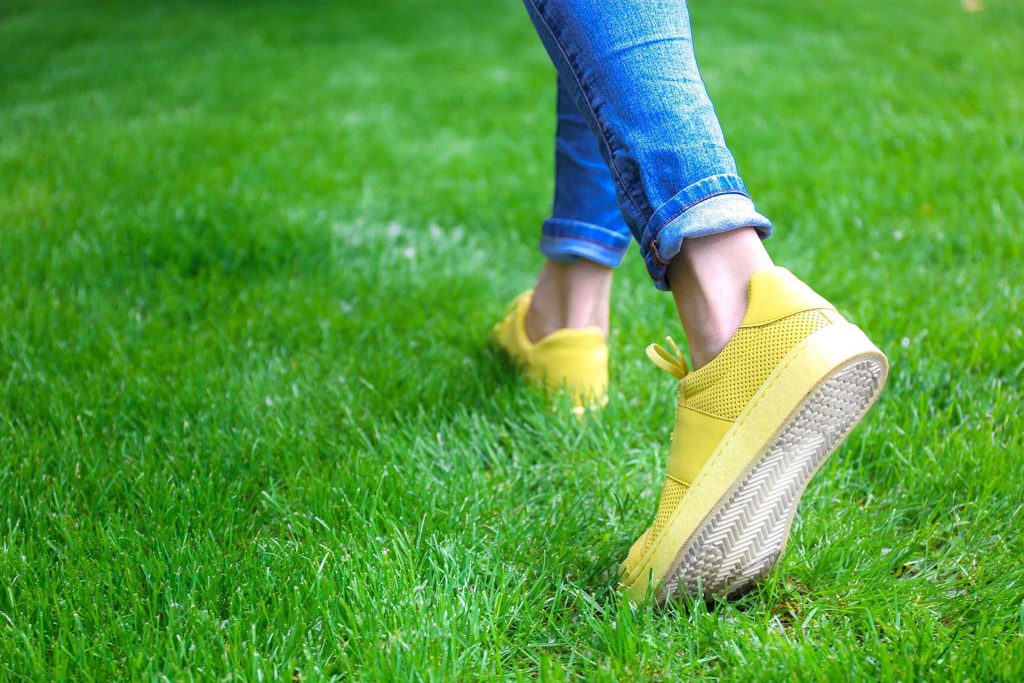
To repair your lawn quickly after heavy foot traffic, start by identifying the most worn areas, then aerate and overseed with fresh grass seed. Water deeply to help new grass establish and keep foot traffic minimal until the lawn recovers. With patience and proper care, your lawn will bounce back in no time!
If your lawn has been trampled by frequent foot traffic, don’t worry—restoring it is easier than it seems. First, remove any compacted soil and dead grass, then aerate to loosen the soil and promote healthy growth. Overseeding with a suitable grass variety and watering regularly will help patch up worn patches and encourage lush, full recovery. It’s important to minimize foot traffic during the recovery period, but with consistent care, your lawn will look vibrant and inviting once again. This simple process can rejuvenate even heavily used lawns, making them green and healthy for years to come.

How to Repair Lawn After Heavy Foot Traffic
Heavy foot traffic can cause serious damage to your lawn, leaving patches of bare soil and flattened grass. This can make your yard look uneven and unhealthy, especially during the growing season. Luckily, you can repair your lawn effectively with some simple steps. Understanding how foot traffic affects your grass helps you choose the right methods to restore its beauty and health.
Understanding the Damage Caused by Heavy Foot Traffic
Foot traffic compacts the soil, making it hard for grass roots to grow and access nutrients. When soil becomes compressed, water and air can’t reach the roots properly. This leads to patchy, thin grass and increased weed growth. Additionally, the grass blades become flattened, which limits photosynthesis and weakens plants.
The Impact of Soil Compaction
Soil compaction reduces pore space, which is essential for healthy root development. When soil becomes hard, grass struggles to recover from wear and tear. Over time, this can lead to patchiness and bare spots that are difficult to repair.
Damage to Grass Blades and Roots
Repeated foot traffic damages grass blades, making them more susceptible to disease. The roots also become stunted, reducing the lawn’s overall resilience. This damage slows down natural regeneration and makes your grass more vulnerable to weeds and pests.
Steps to Restore Your Lawn After Heavy Foot Traffic
Assess the Damage
Begin by walking across your lawn to identify the most affected areas. Look for patches that are flattened, bare, or have thin grass. Mark these spots to prioritize your repair efforts.
Prepare the Area for Repair
Remove any debris such as sticks, stones, or trash from the damaged spots. Rake lightly to loosen the soil surface, making it easier for new grass or seed to take hold. Water the area thoroughly if the soil is dry to help soil conditioning and seed germination.
Core Aeration to Relieve Soil Compaction
Core aeration involves removing small plugs of soil from compacted areas. This process boosts airflow, water absorption, and nutrient penetration. Use a manual or motorized aerator, especially in heavily trafficked zones, to improve soil structure.
Reseed or Patch Bare Spots
Choose a grass seed that matches your existing lawn type. Spread the seed evenly over the prepared soil at the recommended rate. Lightly rake the area to ensure good seed-to-soil contact. For faster results, consider using a seed mix with quick germination varieties.
Use Soil Amendments for Better Growth
Mix in organic compost or topsoil in bare patches to improve soil fertility and structure. These amendments provide essential nutrients and promote healthy root growth. Spread a thin layer over the reseeded area and water thoroughly.
Water Properly for Optimal Growth
Consistent watering is key during the first few weeks after reseeding. Keep the soil moist but not waterlogged. Water lightly two to three times daily until the grass establishes a strong root system.
Implement Protective Measures
To prevent further damage, limit foot traffic on repaired areas until grass is well established. Use pathways or barriers to guide foot traffic and protect newly growing sections.
Ongoing Lawn Maintenance to Prevent Future Damage
Regular Mowing for Healthy Grass
Maintain a mowing height suitable for your grass type. Avoid cutting more than one-third of the grass height at a time. Regular mowing promotes dense growth that can withstand foot traffic better.
Feeding with Fertilizer
Apply a balanced lawn fertilizer according to the manufacturer’s instructions. Fertilization provides essential nutrients that strengthen grass and improve resilience against damage.
Proper Watering Practices
Water deeply and less frequently to develop deep roots. Early morning watering reduces evaporation and fungal issues. Avoid overwatering which can lead to disease problems.
Redesign High-Traffic Areas
If certain zones are heavily trafficked, consider installing pathways or stepping stones to redirect foot traffic away from grass. This preserves the lawn’s integrity and reduces ongoing damage.
Using Appropriate Soil and Grass Types
Selecting Resilient Grass Varieties
Opt for grass types that tolerate foot traffic well, such as Bermuda, Zoysia, or Kentucky Bluegrass. These provide durability and recover faster from damage.
Improving Soil Quality for Better Resilience
Ensure your soil has proper drainage and pH levels. Amend acidic or compacted soils with lime or organic matter. Healthy soil supports strong root systems and vigorous grass growth.
Additional Strategies for Hard-Wearing Lawns
Creating Special Zones
Designate specific high-traffic zones with durable ground coverings like gravel or pavers. This reduces wear on grass and keeps your lawn looking its best.
Consider Lawn Reinforcements
Use ground reinforcement grids or mats under foot traffic zones. These reinforce soil stability and allow grass to grow through, maintaining natural appearance while reducing damage.
Seasonal Maintenance Tips
Adjust your lawn care routine based on the season. Spring and fall are ideal times for reseeding and aeration, helping the grass recover quickly from summer or winter stress.
Summary of Key Actions
| Action | Purpose |
|---|---|
| Assess damage | Identify affected areas for targeted repair |
| Loosen soil and aerate | Reduce compaction and improve soil health |
| Reseed and amend soil | Encourage new grass growth and soil fertility |
| Regular watering | Support seed germination and grass establishment |
| Limit foot traffic | Allow grass to recover and prevent further damage |
| Ongoing lawn care | Build resilience and prevent future issues |
Repairing a lawn after heavy foot traffic involves patience and consistent effort. By understanding the damage, preparing the soil, reseeding, and maintaining proper care, you can restore your yard’s beauty and health. Incorporate protective measures and choose durable grass types to ensure your lawn withstands foot traffic in the future. With time and care, the grass can bounce back, giving you a lush, welcoming yard to enjoy.
Frequently Asked Questions
What steps can I take to restore bare patches caused by heavy foot traffic?
Begin by removing any remaining debris or dead grass from the bare patches. Loosen the soil with a rake to improve aeration and promote root growth. Spread a layer of quality lawn seed suitable for your grass type over the area, then lightly cover with soil or compost. Water the patch consistently to keep the soil moist until new grass establishes. Applying a thin layer of fertilizer can also help encourage healthy growth.
How can I prevent further damage in heavily trafficked areas?
Use stepping stones or pathways to redirect foot traffic away from vulnerable spots. Install low-impact ground covers or durable grass varieties that withstand wear better. Regularly aerate the soil to reduce compaction and promote healthy root development. Additionally, avoid mowing the area too short, which can weaken grass and make it more susceptible to damage.
What techniques can help improve soil quality after heavy use?
Apply organic matter such as compost or topsoil to enrich the soil and improve its structure. Aerate the lawn to loosen compacted soil and enhance water and nutrient penetration. Consider overseeding to introduce more resilient grass varieties, and regularly fertilize with a balanced nutrient mix to support soil health and grass vigor.
Final Thoughts
Repairing a lawn after heavy foot traffic involves several key steps. First, remove compacted soil and any dead grass to prepare the area for reseeding or new sod.
Next, aerate the lawn to improve soil drainage and oxygen flow, promoting healthy grass growth.
Apply a quality seed or sod, then water thoroughly to encourage roots to establish.
How to repair lawn after heavy foot traffic requires patience, but with consistent care, your lawn will regain its lush appearance.