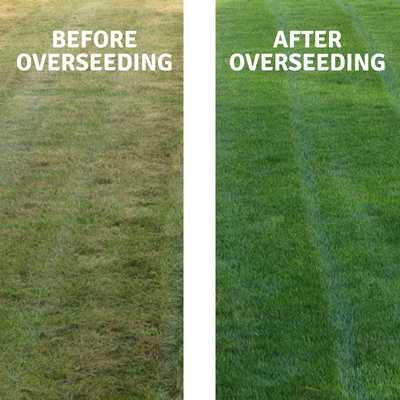
The best month to overseed lawn is typically the fall season. As the summer comes to an end and the temperature begins to cool down, it creates the perfect conditions for grass seeds to germinate and establish themselves. During this time, the soil is still warm enough to promote growth while the cooler air temperatures prevent the young grass from becoming stressed.
Overseeding in the fall also allows the newly planted grass to develop strong root systems before the harsh winter sets in. This helps the grass survive the cold months and bounce back with vigor in the spring.
Additionally, fall provides a break from the scorching heat of summer, reducing the risk of seedlings drying out or getting damaged by extreme temperatures. The increased rainfall during this season also helps to keep the soil moist, aiding in the germination process.
By overseeding your lawn in the fall, you can give it the boost it needs to fill in patchy areas, improve overall density, and maintain a lush and healthy lawn all year round. So, grab your seeds and get ready to transform your lawn this autumn!

Best Month to Overseed Lawn: A Comprehensive Guide
Maintaining a lush and healthy lawn requires regular care and attention. One important aspect of lawn maintenance is overseeding, which involves spreading additional grass seed over existing turf to promote thick, full growth. While overseeding can be done throughout the year, choosing the best month to overseed your lawn can significantly increase the success rate and ensure optimal results. In this comprehensive guide, we will explore the different aspects of overseeding and help you determine the best month for this essential lawn care practice.
Understanding Overseeding
Before diving into the best month for overseeding, it is crucial to understand the purpose and benefits of this practice. Overseeding plays a vital role in maintaining a healthy lawn by filling in bare or thin areas and enhancing the overall density of the grass. It helps combat weed growth, improves the appearance of the lawn, and increases its ability to withstand stressors such as drought, pests, and disease.
Benefits of Overseeding
Overseeding provides numerous benefits that contribute to a healthier and more vibrant lawn:
- Promotes thicker, fuller grass
- Enhances the lawn’s ability to recover from damage
- Improves resistance to weeds and disease
- Increases tolerance to environmental stressors
- Enhances the lawn’s overall appearance
Factors to Consider Before Overseeding
Before determining the ideal month for overseeding, consider the following factors:
- Grass Type: Different grass species have specific growth patterns and optimal overseeding windows. Identify the grass type in your lawn to align overseeding efforts with its natural cycles.
- Climate: The climate in your region significantly impacts the success of overseeding. Consider factors such as temperature, rainfall, and frost patterns when choosing the best month for overseeding.
- Soil Conditions: Assess the quality of your soil, ensuring it is well-drained and nutrient-rich. Prepare the soil adequately before overseeding to provide an ideal environment for new grass seed to germinate and establish.
- Existing Lawn Health: Evaluate the current condition of your lawn to determine if it requires overseeding. Address any underlying issues such as thatch buildup or compaction before proceeding with overseeding.
Best Month to Overseed Lawn
Determining the best month to overseed your lawn ultimately depends on factors such as grass type, climate, and regional variations. Below, we explore the optimal overseeding windows for different grass types commonly found in lawns:
Cool-Season Grasses
Cool-season grasses thrive in regions with moderate summer temperatures and cold winters. The recommended time for overseeding cool-season grasses is during early fall, specifically August through September. This timeframe allows the grass seedlings to establish before the harsh winter months while capitalizing on the warm soil temperatures for optimal germination.
Warm-Season Grasses
Warm-season grasses thrive in regions with hot summers and mild winters. The best time to overseed warm-season grasses is during late spring or early summer, preferably May through June. This timing allows the new grass seed to establish and develop before the scorching summer heat sets in, promoting vigorous growth.
Transition Zone Grasses
The transition zone experiences a blend of both warm and cool climates, making it challenging to maintain a consistently thriving lawn. For overseeding transition zone lawns, the ideal time is during early fall, around September. This timing maximizes the potential for successful establishment before winter while avoiding the extreme heat of summer.
Overseeding Considerations
While the recommended months provide general guidelines, there are additional considerations to keep in mind:
- Soil Temperature: Monitor your soil temperature to ensure it falls within the optimal range for germination. Invest in a soil thermometer to accurately assess the conditions.
- Local Climate: Regional variations can impact the ideal overseeding timeframes. Consult with local horticultural extension services or lawn care professionals to gain insights specific to your area.
- Weed Control: Address any existing weed issues before overseeding. Applying a pre-emergent herbicide can help prevent weed seeds from germinating and competing with new grass seedlings.
- Watering and Maintenance: Adequate watering and proper maintenance are crucial after overseeding. Follow recommended watering schedules and avoid heavy foot traffic on newly seeded areas.
Overseeding is a valuable practice that contributes to a healthy and vibrant lawn. Determining the best month for overseeding depends on various factors, including grass type, climate, and regional considerations. By aligning overseeding efforts with optimal timeframes, you can maximize your lawn’s chances of successful establishment and long-term health. Remember to assess your lawn’s unique requirements, prepare the soil adequately, and address any underlying issues before embarking on the overseeding process.
Remember, the information presented here provides general recommendations. It is essential to conduct further research and consult with local experts to tailor your overseeding approach to your specific lawn and region. Happy overseeding!
When's The Best Time To Seed The Lawn? Planting Grass Seed with Allyn Hane The Lawn Carew Nut
Frequently Asked Questions
What is the best time of year to overseed a lawn?
The best time to overseed a lawn is in the early fall, typically between late August and early October. This allows the new grass seed to establish before the harsh winter weather arrives.
Can I overseed my lawn in the spring?
While overseeding in the spring is possible, it is generally not recommended. Spring overseeding competes with weed germination and can be challenging due to unpredictable weather conditions. Fall is the preferred time for overseeding as the cooler temperatures and more consistent moisture create optimal conditions for seed germination and establishment.
Should I overseed my lawn every year?
Overseeding may not be necessary every year, but it can greatly benefit the health and appearance of your lawn. Determining the need for overseeding depends on several factors, such as the condition of your lawn, the type of grass, and the level of traffic it receives. If your lawn has thinning areas, bare spots, or weak grass growth, overseeding can help rejuvenate and thicken the turf.
How do I prepare my lawn for overseeding?
To prepare your lawn for overseeding, start by mowing it short and removing any debris or thatch. Rake the surface to loosen the top layer of soil and create good seed-to-soil contact. If necessary, aerate the soil to improve drainage and reduce soil compaction. Finally, apply a slow-release nitrogen fertilizer to provide essential nutrients for the new grass seed.
What type of grass seed should I use for overseeding?
The type of grass seed you should use for overseeding depends on the existing grass species in your lawn. It is recommended to choose a grass seed blend that matches the current grass or select a variety that thrives in your climate and growing conditions. Consult with a local lawn and garden center or a professional landscaper to determine the best seed for your specific needs.
How long does it take for overseeded grass to germinate?
The germination time for overseeded grass varies depending on the grass species and environmental conditions. Generally, it takes about 7 to 14 days for the new grass seed to germinate. However, some species may take longer. Be patient and ensure the seeded areas receive adequate water and care during this period to promote healthy growth.
Final Thoughts
The best month to overseed your lawn is September. This is because the weather is usually cooler, which is ideal for seed germination. Additionally, the soil is still warm, allowing the new grass to establish its roots before the colder months. Overseeding in September also helps prevent weed growth and fills in thin or bare spots in your lawn. By timing your overseeding correctly, you can ensure a healthy and lush lawn all year round. So, consider September as the best month to overseed your lawn for optimal results.