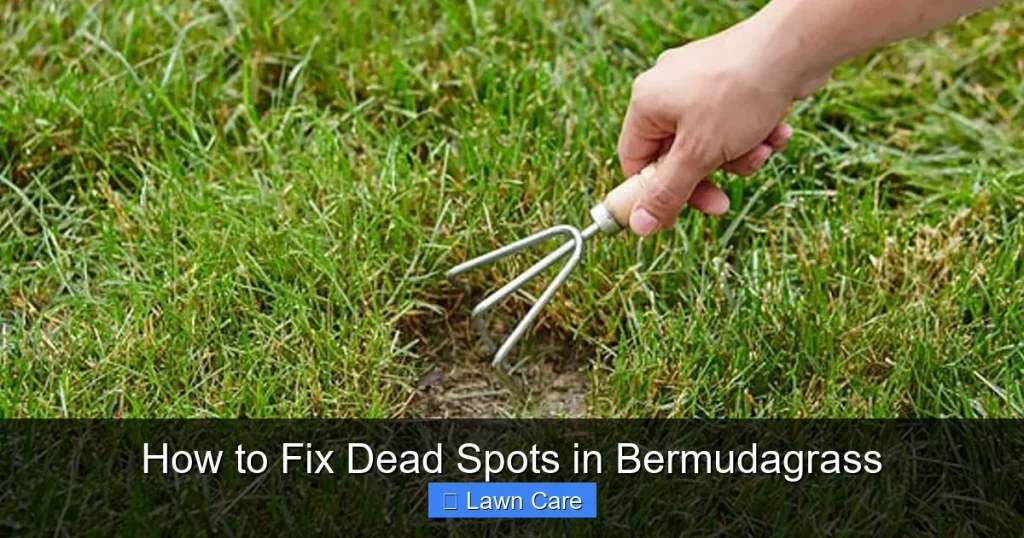
Don’t let dead spots ruin your beautiful Bermudagrass lawn! This guide covers everything you need to know to identify the causes, from pests to poor watering, and offers practical solutions. We’ll walk you through effective treatments and preventative measures to restore your lawn’s lush, green appearance.
So, you’ve noticed them. Those tell-tale brown or completely bare patches marring the otherwise vibrant green expanse of your Bermudagrass lawn. It’s frustrating, isn’t it? Bermudagrass is known for its resilience and ability to create a thick, beautiful carpet of green, but even the toughest grasses can suffer from dead spots.
These unwelcome patches can pop up seemingly out of nowhere, leaving you scratching your head and wondering what went wrong. But don’t despair! Most dead spots in Bermudagrass are fixable with a little detective work and some consistent lawn care. This guide is here to help you understand why these spots appear and, more importantly, how to bring your lawn back to its former glory.
We’ll delve into the common causes of dead spots and then walk you through effective strategies for diagnosis and treatment. By the end, you’ll have a clear roadmap to revive those sad patches and maintain a healthy, thriving Bermudagrass lawn all season long.
## Understanding Why Bermudagrass Gets Dead Spots
Before we can fix those unsightly dead spots, it’s important to understand what’s causing them. Bermudagrass is a warm-season grass, meaning it thrives in heat and sunshine. However, it’s not invincible. Several factors can lead to its demise in localized areas.
### Pests and Diseases
One of the most common culprits behind dead spots are lawn pests and diseases. These microscopic or not-so-microscopic critters and fungi can wreak havoc on your grass if left unchecked.
#### Common Pests
Grubs are a major offender. These C-shaped, white larvae live in the soil and feed on the roots of your grass, effectively cutting off its water and nutrient supply. You might notice the grass feels spongy and lifts up easily like a carpet. Chinch bugs are another common pest, tiny insects that suck the sap from grass blades, causing yellowing and browning that can quickly turn into dead spots.
#### Fungal Diseases
Fungal diseases thrive in certain conditions, often exacerbated by overwatering, poor air circulation, or high humidity. Brown patch is a common fungal disease that appears as circular or irregular patches of brown, straw-colored grass, often with a distinct, dark border. Dollar spot, another fungal issue, creates small, straw-colored or bleached-looking spots about the size of a silver dollar.
### Watering Issues
Water is essential for grass, but too much or too little can be detrimental. Bermudagrass, while relatively drought-tolerant once established, still needs consistent moisture.
#### Overwatering
This is a tricky one because it seems counterintuitive. However, constantly soggy soil can suffocate the grass roots, making them susceptible to fungal diseases. It also prevents the grass from developing deep root systems. You might start to see mushrooms popping up in these areas too, a sign of excessive moisture.
#### Underwatering
Conversely, prolonged periods without adequate water will cause the grass to go dormant, appearing brown and dry. While Bermudagrass can often recover from dormancy once water is reintroduced, severe or prolonged drought can kill patches of grass, leaving them completely dead. Detecting dry spots early can prevent them from becoming permanent dead zones.
### Soil and Environmental Factors
The ground your Bermudagrass grows in plays a huge role in its health. Issues with the soil or the surrounding environment can create stress that leads to dead spots.
#### Soil Compaction
Hard, compacted soil is a major enemy of healthy grass. When soil becomes compacted, it restricts the flow of air, water, and nutrients to the grass roots. This is often caused by heavy foot traffic, mower traffic, or construction activities. You might notice your lawn feels hard underfoot and drains poorly. Fixing compacted soil is crucial for long-term lawn health.
#### Poor Drainage and Water Pooling
If your lawn doesn’t drain well, water can sit on the surface, leading to the same problems as overwatering: root rot and fungal diseases. Areas where water consistently pools will struggle to support healthy grass. This can also lead to muddy areas. Addressing water pooling is vital.
#### Nutrient Deficiencies or Imbalances
Grass needs a balanced diet of nutrients to thrive. A lack of essential nutrients, like nitrogen, can lead to weak growth, yellowing, and susceptibility to stress. On the other hand, too much fertilizer, especially quick-release nitrogen, can burn the grass, creating brown or dead patches. Nitrogen deficiency is a common cause of poor grass health.
#### Physical Damage and Chemical Burns
Sometimes, dead spots are simply the result of direct damage. This could be from spills of gasoline, oil, or harsh chemicals. Even excessive pet urine can create localized dead spots, which often appear as small, circular brown patches. Dog urine spots are a frequent concern for pet owners. Other physical damage can come from things like equipment left sitting on the lawn for too long, or even damage from lawn equipment itself if not properly maintained.
## Diagnosing Your Bermudagrass Dead Spots
Now that we know the potential causes, let’s get to work on figuring out *why* your Bermudagrass has dead spots. This diagnostic phase is critical for choosing the right treatment.
### Step 1: Observe Closely
Take a good, hard look at the dead spots.
#### What do the edges look like?
* Are they crisp and well-defined? This might suggest a chemical burn or a disease with a distinct border.
* Are they fuzzy or irregular? This could point towards pests or a spreading disease.
* Is it just a bare patch with no grass at all? This might be a sign of severe damage or something that killed the grass completely.
#### What is the soil like?
* Is it dry and cracked? (Underwatering)
* Is it soggy and muddy? (Overwatering, poor drainage)
* Is it hard and compacted? (Soil compaction)
* Are there visible grubs or insects? (Pest infestation)
### Step 2: Perform a Grub Test
If you suspect grubs, a simple test can confirm their presence. In a sample area of the affected lawn (about a square foot), douse it with water and wait about 10-15 minutes. Then, carefully lift a section of the turf. If you see more than 5-10 grubs in that square foot, you likely have a grub problem that needs treatment.
### Step 3: Check for Fungal Diseases
Look for signs of disease. Are there distinct rings of dead grass? Are the blades of grass themselves showing spots or discoloration? Gently pull up some of the affected grass. Healthy grass roots are white or tan. Rotted or discolored roots can indicate disease.
### Step 4: Assess Your Watering Habits
Be honest. How often are you watering? Are you watering deeply or just lightly sprinkling the surface? Is the area getting direct sun, or is it shaded? Understand how much water your lawn is actually receiving. A soil moisture meter can be a handy tool here.
### Step 5: Consider Recent Activities
Think about what has happened on your lawn recently. Did you use any new chemicals? Did you spill anything? Has there been a lot of heavy foot traffic? Has equipment been stored there?
## Fixing Your Bermudagrass Dead Spots: Step-by-Step Solutions
Once you have a good idea of the cause, you can implement the right fix. Here’s how to tackle common issues:
### Addressing Pests and Diseases
If pests or diseases are the culprits, prompt action is crucial.
#### Pest Control
For grub infestations, use a grub control product specifically designed for your lawn. Follow the product instructions carefully, ensuring proper application timing for maximum effectiveness. For chinch bugs, insecticidal soaps or specific insecticides can be effective. Again, proper application according to the label is key. Remember, healthy, well-maintained turf is more resistant to pests.
#### Disease Management
Fungal diseases often require a two-pronged approach: addressing the environmental conditions that favor them and applying a fungicide.
* **Improve Air Circulation:** For diseases like brown patch, improving airflow can help. This might involve pruning nearby shrubs or trees that are blocking airflow.
* **Adjust Watering:** Ensure you are watering deeply and infrequently, ideally in the early morning, so the grass has time to dry before evening. Avoid watering late in the day.
* **Fungicides:** Use a broad-spectrum fungicide labeled for the specific disease you’ve identified. Apply it according to the product’s instructions, and reapply as needed for ongoing protection.
### Correcting Watering Problems
Getting your watering right is fundamental to lawn health.
#### For Underwatering
If your lawn is dry, water deeply. Aim to moisten the soil to a depth of 4-6 inches. This encourages roots to grow deeper, making the grass more drought-tolerant. Water less frequently but more thoroughly.
#### For Overwatering
Cut back on your watering schedule. Allow the soil to dry out somewhat between waterings. If you have significant drainage issues, you may need to consider amending the soil or installing a drainage system. It might be time to explore how to fix muddy spots if your overwatering has created that problem.
### Revitalizing Soil and Environment
Healthy soil means healthy grass.
#### Aeration
For compacted soil, core aeration is your best friend. This process involves pulling out small plugs of soil, which loosens compaction and allows air, water, and nutrients to penetrate the root zone. Aerate when Bermudagrass is actively growing (late spring to mid-summer).
#### Improving Drainage
If water pools, you might need to grade your lawn slightly so water flows away from the house and into drainage areas. In severe cases, installing French drains or amending heavy clay soils with organic matter can help.
#### Proper Fertilization
Feed your Bermudagrass with a balanced fertilizer during its active growing season (late spring through summer). Follow the recommended application rates on the fertilizer bag, as over-fertilizing can cause damage. A soil test can help you determine specific nutrient needs.
#### Neutralizing Chemical Burns and Pet Spots
For chemical burns, you’ll likely need to remove the dead grass and reseed or patch the area once the soil has dried out and is no longer contaminated. For pet urine spots, the best approach is often to flush the area with plenty of water immediately after the dog urinates to dilute the nitrogen. Then, you may need to reseed.
## Rebuilding and Reseeding Bare Patches
Once you’ve tackled the underlying cause of the dead spots, you’ll need to repair the actual bare areas. Bermudagrass is excellent at spreading, but it can take time to fill in large bare patches on its own.
### Preparing the Area
First, clear out any dead grass, debris, or weeds from the bare spot. Loosen the soil with a rake to create a good seedbed. You can also mix in a bit of compost or topsoil to provide nutrients for the new grass.
### Seeding Bermudagrass
Bermudagrass is typically seeded in late spring or early summer when soil temperatures are consistently warm (above 65°F or 18°C).
#### Choosing the Right Seed
Use a high-quality Bermudagrass seed variety suitable for your region.
#### Sowing the Seed
Spread the seed evenly over the prepared area. A general guideline is about 1-2 pounds of seed per 1,000 square feet for overseeding, but adjust based on the size of your bare patches. Rake the seed lightly into the soil to ensure good seed-to-soil contact.
#### Watering the Seed
Keep the newly seeded area consistently moist. This means light watering multiple times a day, especially during dry periods, until the seedlings are established. Once the grass starts to grow and looks like Bermudagrass, you can gradually transition to deeper, less frequent watering.
### Patching with Sod or Plugs
For a quicker fix, especially for smaller areas, you can use sod or grass plugs.
#### Sod Patches
Cut out the dead grass and soil in the shape of the patch. Then, cut a piece of sod to fit that exact shape and lay it into the prepared hole. Water it thoroughly.
#### Grass Plugs
Grass plugs are small pieces of sod with roots. You can purchase these or take them from healthy areas of your lawn. Dig small holes in the bare patch and insert the plugs, spacing them a few inches apart. Bermudagrass will spread from the plugs to fill in the area. Keep the plugged area consistently moist. If you’re looking for ways to get Bermuda grass to fill in bare spots, plugging is a great option.
## Preventing Future Dead Spots
The best way to deal with dead spots is to prevent them from happening in the first place. Consistent, proper lawn care is your best defense.
### Maintain a Consistent Watering Schedule
Water deeply and infrequently. Aim for about 1 inch of water per week, including rainfall, applied in one or two watering sessions. Water in the morning.
### Fertilize Appropriately
Follow a fertilization schedule tailored to Bermudagrass during its active growing season. Use a slow-release fertilizer to avoid burning and ensure steady nutrient supply. Get a soil test to understand your lawn’s specific needs.
### Mow Correctly
Mow your Bermudagrass at the recommended height (typically 1-2 inches). Never remove more than one-third of the grass blade at a time. Keep your mower blades sharp to ensure clean cuts that heal quickly.
### Aerate Regularly
If you have clay soil or high traffic areas, plan to aerate your lawn at least once a year. This keeps soil loose and healthy.
### Manage Thatch
A thin layer of thatch (dead grass stems and roots) is normal, but excessive thatch can block water and nutrients. Dethatch your lawn when thatch layers exceed about half an inch.
### Stay Vigilant for Pests and Diseases
Regularly inspect your lawn for any signs of trouble. Early detection makes treatment much easier and more effective.
### Control Weeds
Weeds compete with your grass for resources. Keeping your lawn dense and healthy is the best weed prevention, but spot treatment may be necessary.
Dealing with dead spots in your Bermudagrass lawn can feel like a battle, but by understanding the causes and employing the right strategies, you can bring your lawn back to vibrant health. It takes patience and consistency, but the reward of a lush, green lawn is well worth the effort. Happy lawn care!
- Identify the Cause: Pinpointing the reason behind your Bermudagrass dead spots is the first crucial step. Common culprits include pests, diseases, improper watering, soil issues, or even physical damage.
- Proper Watering is Key: Bermudagrass needs deep, infrequent watering. Overwatering can lead to fungal diseases, while underwatering causes drought stress and dead patches.
- Address Soil Compaction: Compacted soil restricts water and nutrient flow, stressing the grass. Aeration can significantly improve soil health and help grass recover.
- Pest and Disease Control: Inspect your lawn for common pests like grubs or chinch bugs, and signs of fungal diseases. Prompt and appropriate treatment is essential.
- Fertilization Matters: The right fertilization schedule provides essential nutrients. Over-fertilizing can burn the grass, while under-fertilizing leads to weak growth and susceptibility to problems.
- Reseeding or Patching: Once the underlying issue is resolved, you may need to reintroduce grass seed or sod to fill in the bare patches.
- Prevention is Better Than Cure: Maintaining a healthy lawn through consistent care practices is the best way to prevent dead spots from forming in the first place.
Quick Answers to Common Questions
What is the fastest way to fix a dead spot in Bermudagrass?
For the quickest fix, patching with sod or using Bermudagrass plugs is generally faster than waiting for seed to germinate and establish. However, you must first address the underlying cause of the dead spot, or the new grass won’t survive.
Can I just reseed the dead spots in my Bermudagrass lawn?
Yes, reseeding is a common method, but it works best when the cause of the dead spot has been resolved. You’ll need to prepare the soil, sow appropriate Bermudagrass seed during the right season, and keep the area consistently moist until germination and establishment.
How do I know if my Bermudagrass dead spot is from watering or a disease?
Observe the soil moisture and the appearance of the grass. Dry, cracked soil and wilted grass suggest underwatering. Consistently soggy soil, especially with visible fungal growth or distinct rings of dead grass, points towards overwatering and potential disease. A soil test or expert opinion might be needed for definitive diagnosis.
Why does my Bermudagrass die in the same spot every year?
This recurring issue often indicates a persistent problem. It could be a chronic soil compaction issue, poor drainage that causes water to pool, a recurring pest infestation in that specific area, or a shade issue if the surrounding trees have grown denser. Addressing the root environmental cause is key to preventing yearly recurrence.
How long does it take for Bermudagrass to fill in dead spots naturally?
Bermudagrass spreads aggressively through stolons and rhizomes. If the underlying conditions are healthy, it can fill in small bare spots within a few weeks to a couple of months during its active growing season. Larger or more severe dead spots may take much longer, potentially an entire growing season or more, to fill in naturally.
Frequently Asked Questions
What are the main causes of dead spots in Bermudagrass?
The main causes of dead spots in Bermudagrass include pest infestations (like grubs and chinch bugs), fungal diseases (such as brown patch and dollar spot), improper watering (both overwatering and underwatering), soil compaction, poor drainage, nutrient deficiencies, and chemical burns.
How can I prevent dead spots from forming in my Bermudagrass lawn?
Prevention involves consistent, proper lawn care. This includes watering deeply and infrequently, fertilizing appropriately during the growing season, mowing at the correct height with sharp blades, aerating compacted soil, managing thatch, and regularly inspecting your lawn for early signs of pests or diseases.
Is it better to seed or sod a bare patch in Bermudagrass?
For smaller bare spots, seeding is a cost-effective option. For larger areas or if you want a quicker recovery, sodding provides an instant fix. Both methods require addressing the underlying cause of the dead spot first. Bermudagrass also spreads well from plugs.
How often should I water my Bermudagrass to prevent dead spots?
During its active growing season, Bermudagrass typically needs about 1 inch of water per week. It’s best to water deeply once or twice a week, rather than shallowly every day, to encourage deep root growth. Adjust watering based on rainfall and temperature.
What is a common sign of grub worms causing dead spots?
A common sign of grub worms is that the affected areas of your lawn will feel spongy and can be easily lifted up like a carpet, revealing the C-shaped white grubs feeding on the roots underneath. This indicates the grass is being starved of water and nutrients.
Can dog urine cause dead spots in Bermudagrass?
Yes, dog urine can definitely cause dead spots in Bermudagrass. The high concentration of nitrogen and salts in urine can burn the grass blades. These spots often appear as small, circular brown patches. Flushing the area with water immediately after your dog urinates can help dilute the urine and minimize damage.