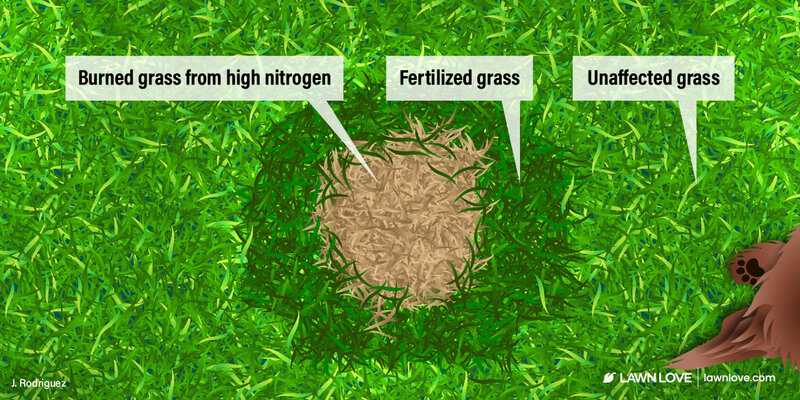
Dealing with brown spots in your lawn caused by dog urine can be frustrating, but there are effective ways to tackle the issue. One quick solution is to water the affected areas immediately after your dog pees. This dilutes the urine’s nitrogen concentration, helping to minimize damage. For more severe cases, consider applying a mixture of water and a little baking soda or vinegar to neutralize the urine’s acidity. Regular training to encourage your pup to use specific areas can also help prevent future brown patches. Not only can these solutions revive your lawn, but they also create a healthier environment for your furry friend to play in. Let’s dive deeper into how you can restore your grass and keep it looking lush!

How to Fix Brown Spots in Grass from Dog Pee
When dogs relieve themselves on your lawn, their urine can leave unsightly brown spots. This is due to high nitrogen levels in the urine, which can burn the grass. If you’re a dog owner, you might feel frustrated looking at these patches. Fortunately, there are several effective ways to fix brown spots in grass from dog pee.
Understanding the Problem
Before we dive into solutions, it’s important to understand why dog urine damages grass. Dog urine contains **nitrogen**, along with salts and other compounds. While nitrogen is actually a nutrient for grass, urine can contain it in such high concentrations that it leads to grass burn.
Here are the primary causes of brown spots:
- High Nitrogen Levels: As previously mentioned, dog urine has a high nitrogen content.
- Salts: The salt in urine can dehydrate grass.
- pH Imbalance: The pH level of dog urine can vary, further contributing to grass damage.
Understanding these factors can help you make informed choices about prevention and repair.
Immediate Solutions for Brown Spots
If you notice a brown spot forming, there are a few immediate actions you can take to help your grass recover.
Water the Area
One effective method to dilute the effects of dog pee is to **water the affected area immediately**. This helps wash away excess nitrogen and salts. Ensure you soak the spot thoroughly but avoid overwatering, which can lead to other issues.
Apply a Grass Repair Product
There are many commercial products designed to help repair grass damaged by urine. Look for products specifically labeled for dog urine repair. These usually contain nutrients that promote healing and growth.
Mix Up Some DIY Remedies
For a natural approach, consider making a remedy at home. A simple mix of water and a couple of tablespoons of baking soda can help neutralize the effects of the urine. Apply it to the brown spots and allow it to soak in.
Long-term Solutions for Preventing Brown Spots
While treating existing brown spots is essential, it’s equally important to prevent them from forming in the first place.
Designate a Pee Area
Creating a designated area for your dog to relieve themselves can significantly reduce damage to your lawn. Train your dog to use this spot consistently. You can make it appealing by laying down gravel or mulch.
Choose the Right Grass Type
Some grass types are more resistant to dog urine than others. Consider these options for a more resilient lawn:
- Kentucky Bluegrass: This type is known for its ability to recover rapidly.
- Bermudagrass: Very tolerant of wear and damage.
- Fescue: Adaptable and hardy, often recommended for dog owners.
Consult with a local garden center to choose the best grass type for your area.
Feed Your Grass Regularly
Keeping your grass healthy can improve its resilience. Consider using a high-quality fertilizer that encourages strong growth. Here are some tips:
- Apply fertilizer during the growing season.
- Test your soil to monitor nutrient levels.
- Use organic fertilizers to promote healthy growth.
Repairing Existing Brown Spots
If brown spots have already formed, it’s crucial to take steps to repair them effectively.
Re-seeding the Area
Re-seeding is one of the best methods to revive brown spots. Here’s how to do it:
1. **Clean the Spot:** Remove any dead grass and debris.
2. **Loosen the Soil:** Use a rake to break up the soil.
3. **Spread Seed:** Choose a suitable grass seed mix and spread it evenly over the area.
4. **Water Daily:** Ensure the new seeds are kept moist until they establish.
Overseeding
If your entire lawn is struggling, overseeding may be an option. This involves spreading grass seed over the existing lawn to thicken it up. It can help fill in thin areas and recover from spots damaged by dog urine.
Maintaining a Healthy Lawn
Regular lawn maintenance can go a long way in preventing and reversing dog pee damage.
Regular Mowing
Keep your grass at the right height by mowing regularly. Taller grass can better withstand the effects of dog urine. Aim for a height of around 2.5 to 3 inches for most grass types.
Proper Watering Techniques
Water your lawn deeply but less frequently. This encourages deep root growth and helps your grass to be more resilient. Watering early in the morning is best to prevent evaporation.
Fertilization Schedule
Establish a regular fertilization schedule during the growing season. This can help your lawn recover quicker from any damage. Pay attention to what type of fertilizer you are using to ensure it is appropriate for your grass type.
Additional Tips for Dog Owners
As a dog owner, you can take additional steps to minimize damage to your lawn.
Train Your Dog
Training your dog to go in a specific area can minimize the impact on your lawn. Use treats and positive reinforcement to encourage your dog to use this designated space.
Provide Plenty of Water for Your Dog
Ensure your dog stays hydrated. A well-hydrated dog may have diluted urine, reducing the likelihood of brown spots on your grass.
Consider Diet Adjustments
Sometimes, the dog’s diet can affect the composition of urine. Consult your veterinarian about your dog’s diet. They may recommend changes to help reduce the harmful effects of urine on your lawn.
Common Myths and Misconceptions
Many dog owners have misconceptions about dog urine and grass damage. Let’s debunk a few myths.
Myth: Only Male Dogs Cause Damage
Both male and female dogs can cause damage to grass. The urine composition is similar, leading to brown spots regardless of gender.
Myth: Brown Spots are Permanent
Many believe that once a brown spot appears, it’s irreversible. However, with proper care and maintenance, most spots can recover with time and the right treatment.
Myth: Grass Types Don’t Matter
Some owners think all grass types are equally affected. However, certain grass varieties are more resilient to urine damage, so choosing the right type is essential.
Maintaining a beautiful lawn while being a proud dog owner can be a challenge, but with the right strategies, it’s possible. By taking steps to prevent damage and treating existing spots, you can enjoy your lawn alongside your furry friend. A lush, green lawn is achievable, even with a dog in the picture. Taking action can lead to a healthier yard and a happier pet-owner relationship.
How to Fix Dog Urine Spots on Your Lawn – Easy Fix!
Frequently Asked Questions
What immediate steps can I take after my dog pees on the grass?
As soon as you notice your dog has peed on the grass, immediately water the area thoroughly. This helps dilute the urine and reduces its harmful effects on the grass. Use a hose to apply enough water to soak the affected spot, ensuring you cover a wider area to minimize concentration. This quick action can help prevent permanent brown spots.
Are there specific types of grass that are more resistant to dog urine?
Yes, some types of grass are more resilient to dog urine. Tall fescue and Kentucky bluegrass tend to withstand urine better than others. Consider replacing sections of your lawn with these grass types if you frequently deal with dog urine damage. Additionally, maintaining healthy grass through proper watering and fertilization can also increase its resistance.
Can I use any products to help repair dog urine damage on my lawn?
Several lawn repair products are available that can help treat brown spots caused by dog urine. Look for soil amendments that include nitrogen and other nutrients, which can help rejuvenate the grass. Additionally, products containing beneficial bacteria can break down the urine compounds in the soil, promoting healthier grass growth over time.
How can I prevent dog urine from creating brown spots in the future?
To prevent brown spots, train your dog to use a designated area for bathroom breaks. You can also adjust your dog’s diet to reduce the nitrogen content in their urine, which contributes to lawn damage. Regularly watering your lawn and maintaining its overall health can also help it withstand occasional urine exposure.
What should I do if the brown spots persist despite my efforts?
If brown spots persist, consider reseeding or patching those areas. First, remove any dead grass and loosen the soil. Then, spread grass seed over the bare patches and water consistently to help the new grass establish. In some cases, you may need to consult a lawn care professional for more targeted solutions.
Final Thoughts
To fix brown spots in grass from dog pee, start by watering the affected areas immediately after your dog urinates. This helps dilute the urine and reduce its harmful effects on the grass.
Consider applying a pet-friendly lawn repair product to promote grass regrowth. Regularly fertilizing your lawn also strengthens the grass, making it more resilient to future damage.
With these steps, you can effectively manage and restore your lawn’s health, ensuring those brown spots are a thing of the past. Taking action promptly helps mitigate the damage and keeps your grass looking lush and green.