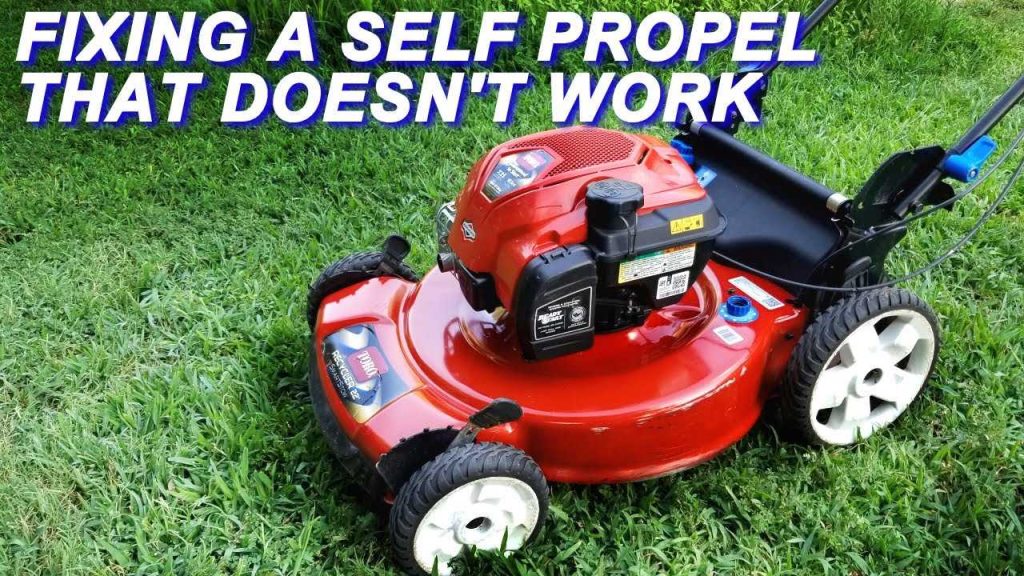
To fix a self-propelled Toro lawn mower, start by checking the drive belt for wear or damage and replace it if necessary. Next, ensure the drive cables are properly adjusted and not jammed. Finally, inspect the transmission fluid and lubricate moving parts to get your mower moving smoothly again.
If your Toro self-propelled mower isn’t moving as it should, don’t worry — with a few simple steps, you can get it back in shape. The key is to identify whether the issue is with the belt, cables, or transmission. Often, problems stem from worn-out belts or loose connections. Regular maintenance, like cleaning debris and lubricating parts, can prevent future issues. Whether your mower stops moving altogether or stutters, this guide will walk you through essential troubleshooting tips and repairs so you can enjoy a perfectly mowed lawn without hassle. Keeping your mower in top shape is easier than you think with a little patience and know-how.

How to Fix a Self Propelled Toro Lawn Mower
If your Toro lawn mower’s self-propelled feature isn’t working, don’t worry. Many issues are simple to diagnose and fix, saving you time and money. Here, you’ll find clear steps to troubleshoot and repair common problems with your Toro mower’s self-propulsion system.
Understanding the Self-Propelled Mechanism
The self-propelled system works by using a drive belt, drive wheels, and a transmission to move the mower forward with minimal effort. Knowing how these parts interact helps you identify where problems may occur. Typically, issues happen due to worn belts, damaged cables, or mechanical blockages.
Safety First Before Starting Repairs
Always disconnect the spark plug wire before working on your mower. Wear gloves to protect your hands, and make sure the engine is off. Working safely prevents accidental starts and injuries during maintenance.
Diagnosing Common Problems with the Self-Propelled System
1. The Mower Doesn’t Move Forward
- Check if the drive belt is loose or broken.
- Inspect the drive cable for damage or disconnection.
- Test the transmission for proper operation.
2. The Mower Moves, But Slowly
- Look for worn drive belts that slip under load.
- Ensure that the drive wheels are clean and free of debris.
- Check tension on the drive belt to ensure it is tight enough.
3. Self-Propel Controls Not Engaging
- Examine the control cable for rust or damage.
- Verify that the control lever is functioning smoothly.
- Inspect the engagement mechanism for obstructions or wear.
Tools and Materials Needed
- Socket set and screwdrivers
- New drive belt (if needed)
- Lubricant spray
- Replacement control cables (if damaged)
- Work gloves
Step-by-Step Guide to Fix Your Toro Lawn Mower
1. Remove the Grass Bag and Clean the Mower
Start by disconnecting the spark plug wire for safety. Remove the grass bag and clear any grass clippings or debris. Dirt buildup can interfere with belt movement and control engagement.
2. Inspect the Drive Belt
Locate the belt housing, usually found beneath the mower deck. Remove the cover using a socket wrench. Look for cracks, fraying, or slack in the belt. Replace if damaged or worn out.
3. Check Belt Tension and Alignment
If the belt appears fine, verify its tension. It should be snug without excessive slack. Adjust the tensioner or reposition the pulley if necessary. Proper alignment prevents slipping and uneven movement.
4. Examine the Drive Wheels and Axle
Remove the wheels if needed and clean the axles and wheel hubs. Lubricate with a light oil to ensure smooth rotation. Check for damaged or missing parts that could affect self-propulsion.
5. Test and Adjust the Drive Cable
Locate the control cable connected to the drive lever. Ensure it’s securely attached at both ends. Lubricate the cable to improve movement. Replace if it shows signs of damage or rust.
6. Check the Engagement Mechanism
Inspect the lever and linkage that engage the drive system. Clear any obstructions. Adjust the tension if the engagement is weak or delayed. Wearable parts may need replacing.
Advanced Troubleshooting Tips
1. Inspect the Transmission
If the mower still won’t move or slips, the internal transmission might be faulty. Some models have a belt-driven transmission that can wear out. Replacing the transmission or taking it to a professional may be necessary.
2. Look for Mechanical Obstructions
Debris, grass, or small objects jammed in the drive system can cause issues. Remove any obstructions carefully. Regular cleaning prevents future problems.
3. Check the Battery or Power Source (for Electric Models)
For electric self-propelled mowers, ensure the battery is charged and in good condition. Replace batteries that no longer hold a charge.
Maintenance Tips to Prevent Future Issues
- Regularly clean your mower after each use to remove grass and dirt.
- Check and replace drive belts annually or if signs of wear appear.
- Lubricate moving parts to keep the system functioning smoothly.
- Inspect control cables and levers periodically for damage or rust.
- Store the mower in a dry, sheltered place to prevent rust and corrosion.
When to Seek Professional Help
Complex issues like internal transmission failure or damage to the drive mechanism may require professional repair. If you’re uncomfortable doing repairs yourself or the problem persists, contacting a qualified technician is advisable.
Alternative Solutions and Upgrades
If your mower is old or repeatedly breaking down, consider upgrading to a newer model with more durable self-propelled systems. Some models also come with adjustable speed settings, making mowing easier and more efficient.
By following these troubleshooting and repair steps, you can restore your Toro lawn mower’s self-propelled function and enjoy a smooth mowing experience again. Regular maintenance and inspections are key to preventing future problems, saving you time and hassle in the long run.
Self Propelled Not Working On Toro Personal Pace LawnMower?
Frequently Asked Questions
Why does my self-propelled Toro mower suddenly stop moving forward?
If your Toro mower stops moving forward unexpectedly, check the drive belt for signs of wear or damage. A broken or loose belt often causes loss of propulsion. Also, inspect the drive cable for proper attachment and ensure it isn’t stretched or frayed. If the belt and cable seem fine, examine the transmission for any issues and make sure the drive wheels are not obstructed or jammed by debris. Maintaining these components regularly helps keep your mower running smoothly.
How can I troubleshoot if the drive system isn’t engaging on my Toro lawn mower?
Start by checking the drive control lever to see if it moves freely and engages properly when pulled. If it feels stiff or doesn’t engage, adjust or replace the drive cable. Confirm the engagement cable is properly lubricated and connected securely to the drive mechanism. Additionally, inspect the drive belt for wear or misalignment. If the drive system still doesn’t work after these steps, examine the transmission for possible failures or consider consulting a professional for further diagnosis.
What steps should I take if my mower’s self-propulsion makes unusual noises?
Unusual noises often indicate component issues such as a worn drive belt, loose or damaged pulley, or debris caught in the transmission. First, turn off the mower and disconnect the spark plug for safety. Remove the covers to inspect the drive belt and pulleys for damage or buildup of debris. Replace any worn or broken parts. Regular lubrication of moving parts can also reduce noise. If the noise persists after these checks, seek professional help to identify potential mechanical failures.
How do I replace the drive belt on a Toro self-propelled mower?
Begin by stopping the mower and disconnecting the spark plug. Remove the mower’s side covers or deck shield to access the drive belt. Carefully slide the belt off the pulleys and note the routing to ensure proper installation of the new belt. Install the new belt by following the original routing, ensuring it fits snugly around all pulleys. Once in place, reassemble the covers and test the mower to confirm the drive system functions correctly. Regular inspections and timely replacements keep your mower operating efficiently.
What maintenance practices can keep the self-propelled feature working properly?
Regularly clean the underdeck and remove any grass or debris that could interfere with moving parts. Check the drive belt for signs of wear and replace it when necessary. Lubricate moving components such as pulleys and wheels with appropriate lubricants to reduce friction. Maintain proper tension on drive cables and replace any frayed or stretched cables promptly. Performing these routine tasks helps prevent breakdowns and prolongs the life of your mower’s self-propulsion system.
Final Thoughts
To fix a self propelled toro lawn mower, start by inspecting the drive belt for wear or damage and replace it if needed. Check the transmission and drive system for debris or obstructions that could hinder movement. Adjust the drive cable tension to ensure proper engagement. If problems persist, examine the wiring and switches for faults. By following these steps, you can effectively resolve issues and keep your mower running smoothly. In conclusion, understanding how to fix a self propelled toro lawn mower involves inspecting the belt, drive system, and cables, ensuring all components are in optimal condition for reliable operation.