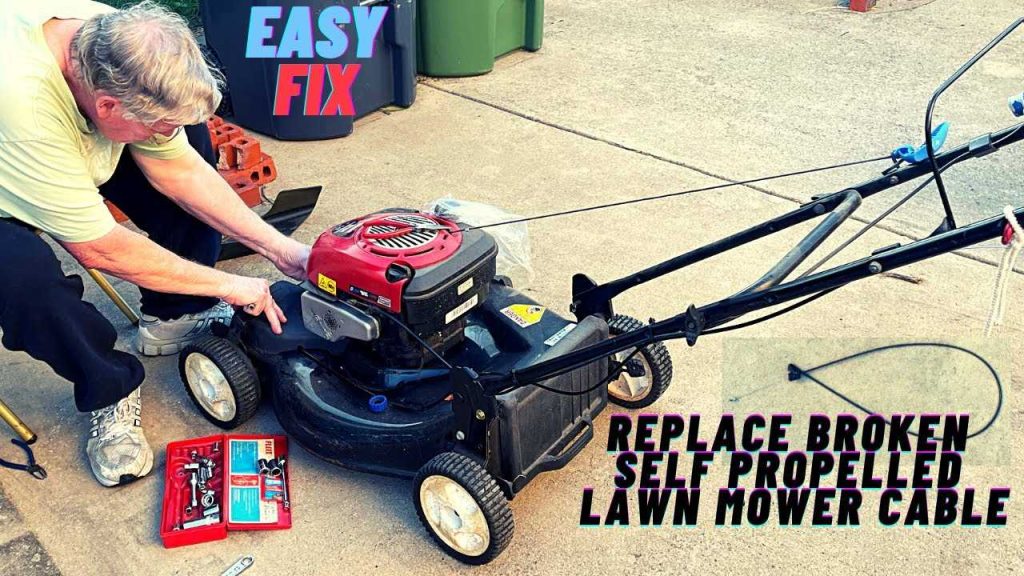
To fix a self-propelled lawn mower cable quickly, start by diagnosing whether the cable is stretched, broken, or disconnected. Then, adjust or replace the cable as needed, ensuring all connections are secure and free of debris. Regular maintenance goes a long way in keeping your mower functioning smoothly.
If your self-propelled lawn mower isn’t moving as it should, the culprit often lies in the drive cable. Fixing it involves inspecting the cable for any wear or damage, then adjusting or replacing it to restore proper function. This simple fix can save you time and money instead of rushing to a repair shop. Keep in mind that a properly maintained cable ensures your mower runs smoothly and makes mowing less of a chore.
Dealing with a self-propelled lawn mower that won’t propel forward can be frustrating, especially when you’re eager to finish yard work quickly. Often, the issue is a malfunctioning drive cable. The good news is that fixing it isn’t overly complicated—most problems stem from a stretched, misaligned, or broken cable. With a few basic tools and some patience, you can troubleshoot and repair the cable yourself, getting your mower back in action and your yard looking neat in no time.

How to Fix a Self Propelled Lawn Mower Cable
Understanding the Self-Propelled Mower Cable System
A self-propelled lawn mower uses a cable to engage the drive system, making mowing easier. This cable connects the handlebar to the drive mechanism inside the mower. When you squeeze the handle, the cable pulls, activating the wheels to move forward. If the cable becomes loose or broken, the mower won’t propel itself properly. Knowing how this system works helps you identify issues quickly.
Common Problems with Self Propelled Mower Cables
Many homeowners face similar issues with their mower cables. Common problems include:
- The cable is loose and doesn’t engage the wheels
- The cable is broken or frayed
- The cable is stuck or won’t move
- The handle connection is loose or damaged
Understanding these problems helps you determine whether you need to repair or replace the cable.
Tools and Materials Needed for Repair
Before starting repairs, gather the right tools:
- New mower drive cable (if replacement is needed)
- Screwdrivers (flat-head and Phillips)
- Socket wrench set
- Needle-nose pliers
- Lubricant spray (such as silicone or WD-40)
- Work gloves for safety
Having these tools on hand makes the repair process smoother and safer.
Step-by-Step Guide to Fix or Replace the Mower Cable
Following these steps carefully will help restore your mower’s propulsion system:
- Disconnect the spark plug wire for safety before working on your mower.
- Locate the cable connecting the handlebar to the drive mechanism. Usually, it runs from the control lever to the wheels.
- Remove any covers or panels that hide the cable. Use screwdrivers or socket wrenches as needed.
- Inspect the entire cable for signs of damage, fraying, or bending.
- If the cable is broken, remove it from the mower. Note how it is routed to ensure proper reinstallation.
- If the cable is loose or sticking, apply lubricant to smooth the movement.
- Replace the cable if damaged. Attach the new cable to the same points and route it carefully along the original path.
- Reconnect all screws, panels, and handles securely.
- Reconnect the spark plug wire.
- Test the mower to ensure the cable engages the drive wheels properly.
How to Adjust the Cable Tension
Proper tension ensures the cable pulls firmly when you squeeze the handle. To adjust:
- Locate the tension adjustment screw or nut on the cable or bracket.
- Loosen the lock nut first.
- Turn the adjustment screw clockwise to tighten the cable or counterclockwise to loosen it.
- Check the tension by squeezing the handle; the cable should move smoothly and engage the drive system firmly.
- Retighten the lock nut after adjustment.
Improper tension can cause slipping or failure to engage the wheels.
Maintaining Your Self Propelled Lawn Mower Cable
Regular maintenance prolongs cable life and prevents issues:
- Lubricate the cable periodically to prevent rust and sticking.
- Inspect the cable before each mowing session for damage or wear.
- Ensure the cable is routed correctly and isn’t pinched or bent sharply.
- Replace the cable immediately if signs of fraying or breakage appear.
Routine checks save you time and money on repairs.
Signs You Need to Replace the Cable
Replace the cable if you observe:
- Persistent stiffness or inability to pull the handle
- Visible damage, fraying, or corrosion on the cable
- Failure of the mower to propel forward even when the handle is squeezed
- Unusual noises when attempting to engage the drive system
Timely replacement ensures your mower functions properly.
Safety Tips During Repair
Always prioritize safety:
- Disconnect the spark plug wire before working on the mower.
- Wear gloves to protect your hands from sharp edges or parts.
- Use the correct tools to avoid damaging parts.
- Work on a flat, stable surface to prevent slips or falls.
Following safety precautions reduces the risk of injury.
When to Seek Professional Help
If you’re unsure about repairing your mower cable or if the problem persists after your attempt, consult a professional. A trained technician can diagnose deep-seated issues or perform complex repairs safely. This approach saves time and ensures the job is done correctly.
Related Topics to Explore
While fixing your mower cable, consider checking:
- How to Clean a Lawn Mower Deck
- Regular cleaning prevents grass buildup that can affect mower performance.
- Replacing a Lawn Mower Belt
- Ensures efficient power transfer within the mower’s drive system.
- Lubricating Lawn Mower Parts
- Maintains smooth operation and extends lifespan.
Summary of Tips for Fixing Your Self Propelled Mower Cable
To keep your mower in top shape:
- Regularly inspect the cable for damage or wear.
- Lubricate the cable to prevent sticking and rust.
- Adjust tension for optimal drive engagement.
- Replace the cable promptly if damaged.
Following these steps ensures your mower propels smoothly and efficiently. Proper maintenance and timely repairs will help your lawn mower last longer and perform better.
How to fix a self propelled lawn mower control cable
Frequently Asked Questions
How can I identify if the lawn mower cable is damaged or broken?
Check for signs such as difficulty engaging the drive or throttle, excessive force needed to operate the lever, or if the cable is visibly frayed, bent, or disconnected. If the cable feels loose or doesn’t respond when you pull on the control, it likely needs repair or replacement.
What are the steps to replace a faulty self-propelled mower cable?
Start by disconnecting the spark plug to prevent accidental starting. Remove any covers or panels to access the cable. Detach the cable from the drive or throttle control, noting how it connects. Install the new cable by following the previous connections in reverse order, ensuring it moves freely without obstruction. Finally, test the mower to verify proper operation.
How do I adjust the tension of the lawn mower cable for smooth operation?
Locate the cable tension adjustment point, usually found near the control lever or the mower’s frame. Loosen the locking nut and pull the cable to tighten it, then secure the nut once the proper tension is achieved. Ensure the control lever responds smoothly and that the drive engages properly without excessive slack.
What tools are necessary for fixing or replacing a self-propelled mower cable?
You will need basic tools such as screwdrivers, pliers, and possibly a wrench set. A replacement cable suited to your mower model is essential. Having needle-nose pliers helps in removing and attaching clips or cable ends, while a socket wrench aids in loosening or tightening adjustment nuts.
Can I repair a broken cable, or do I need to replace it entirely?
If the cable has frayed, kinked, or broken internally, replacing it is usually the best option. Small issues like loose connections or minor adjustments can sometimes be fixed without complete replacement. Regular inspection and maintenance help in extending the lifespan of your mower’s cables.
Final Thoughts
To fix a self propelled lawn mower cable, start by inspecting the cable for wear or damage. Replace any broken or frayed sections to ensure smooth operation. Adjust the cable tension if it feels too loose or too tight.
Remember, proper maintenance prevents future issues. Knowing how to fix a self propelled lawn mower cable keeps your mower in top shape and saves time during yard work.