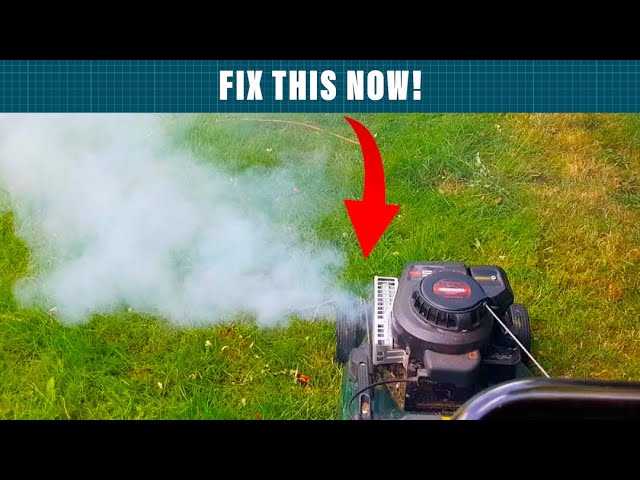
To fix a smoking lawn mower quickly, start by inspecting the oil and air filter, replacing or cleaning them if needed, and check the carburetor for clogs. If the engine is smoking, it often indicates oil burning or fuel mixture issues, which can be resolved by tuning or replacing parts. Regular maintenance and timely troubleshooting are key to keeping your mower running smoothly.
A smoking lawn mower can be alarming, but it’s usually manageable with some straightforward steps. The smoke often indicates that oil is burning or there’s a problem with the fuel mix, which can be fixed by cleaning or replacing filters, adjusting the carburetor, or checking for oil leaks. Addressing these common issues early will extend your mower’s lifespan and ensure a healthy, green lawn. In this guide, we’ll explore simple, effective solutions so you can get your mower back to cutting grass without the smoke.

How to Fix a Smoking Lawn Mower
If your lawn mower starts smoking during use, it can be concerning and sometimes confusing. Smoke is often a sign that something isn’t working right inside the engine or fuel system. Fortunately, many common causes of smoking are simple to identify and fix with the right steps.
Understanding Why a Lawn Mower Smokes
First, it’s important to know what causes smoke. Smoke can be black, blue, or white, each indicating different issues. Black smoke usually means too much fuel is being burned, while blue smoke signifies oil burning. White smoke often points to coolant leaking into the engine. Recognizing the type of smoke helps diagnose the problem more precisely.
Checking the Oil Level and Condition
Low or dirty oil can cause blue smoke. Regularly check your mower’s oil level and top it up if needed. Use the manufacturer’s recommended oil type for best performance.
- How to check oil: Remove the oil fill cap, wipe the dipstick clean, then insert it, remove again to see the level.
- What to do if oil is low: Add oil gradually until reaching the recommended level.
- When to change oil: Follow your mower’s maintenance schedule for oil changes.
Replacing Old or Contaminated Oil
Old or contaminated oil can cause engine smoking. Drain the old oil, replace the oil filter if necessary, and refill with fresh oil to prevent burning oil and producing smoke.
Inspecting and Replacing the Air Filter
A dirty or clogged air filter limits airflow, causing the engine to run rich and produce black smoke. Regularly inspect and clean or replace the air filter for proper airflow.
- How to check: Remove the air filter cover and examine the filter for dirt or debris.
- Cleaning the filter: Wash a foam filter with soapy water, rinse, and dry before reinstalling.
- Replacing the filter: Swap out a paper filter if it appears dirty or damaged.
Ensuring Proper Carburetor Function
The carburetor mixes air and fuel. If it’s clogged or malfunctioning, it can cause the engine to burn too much fuel, resulting in black smoke. Cleaning or adjusting the carburetor is often necessary.
- Cleaning the carburetor: Remove and disassemble it, then use carburetor cleaner spray to clear blockages.
- Adjusting the mixture: Use the screws on the carburetor to set the air-fuel ratio to the manufacturer’s specifications.
Checking the Spark Plug
A worn or dirty spark plug can lead to poor combustion, causing smoke. Remove the spark plug and inspect its condition.
- Signs of a bad spark plug: Black soot, corrosion, or a worn electrode.
- Cleaning or replacing: Clean with a wire brush if dirty, or replace if damaged or excessively worn.
- Gapping the spark plug: Ensure the gap matches the manufacturer’s specifications for optimal firing.
Examining the Fuel System
Contaminated or old fuel can cause smoking and engine issues. Drain old fuel and replace it with fresh, clean gasoline.
- Cleaning fuel lines and filters: Remove and inspect for clogs or debris, then clean or replace as needed.
- Checking the fuel cap: Ensure it vents properly to prevent pressure build-up.
Assessing and Fixing Internal Engine Damage
If other fixes don’t work, internal damage such as worn piston rings or cylinder issues might be the cause. In such cases, professional repair may be necessary.
- Signs of internal damage: Excessive blue smoke, loss of power, and frequent oil consumption.
- When to seek help: If engine repair seems complex or smoke persists after basic fixes, consult a professional mechanic.
Proper Maintenance to Prevent Future Smoking
Regular maintenance can prevent most smoking problems. Follow a schedule for oil changes, air filter replacements, and other routine checks.
- Key maintenance tips: Keep the engine clean, inspect parts regularly, and use quality fuel and oil.
- Storing your mower: Store in a dry place and drain fuel if not using for long periods.
Additional Tips for Troubleshooting
Sometimes, a smoking lawn mower can be caused by less obvious issues. Check for loose or damaged parts, and listen for unusual sounds during operation.
- Check spark arrestor: Clogged spark arrestors can cause excess smoke; clean or replace if needed.
- Inspect the mower deck: Remove debris, grass clippings, and buildup that could affect engine cooling.
When to Call a Professional
If you’re unsure about performing repairs or if smoke continues after troubleshooting, it’s safest to consult an experienced mower technician. They can diagnose deeper problems and ensure your mower runs safely and efficiently.
Fixing a smoking lawn mower involves understanding the root cause and taking the appropriate steps. Whether it’s changing oil, cleaning filters, or repairing the carburetor, keeping your mower well-maintained will help it run smoothly and prevent future smoke issues.
Why Is My Mower Smoking? Easy Explanation!
Frequently Asked Questions
What steps should I take if my lawn mower is emitting blue smoke?
If your lawn mower produces blue smoke, it typically indicates oil is burning in the engine. First, check the oil level and ensure it’s within the recommended range. If the oil level is high, drain the excess oil. Next, examine the spark plug and piston rings for signs of damage or wear, and replace them if necessary. Regular maintenance, such as cleaning or replacing the air filter, can also prevent oil from entering the combustion chamber. Finally, avoid overfilling oil to prevent engine oil from entering areas where it shouldn’t go.
How can I identify if the smoking is caused by an oil leak or other issue?
To determine if oil leaks cause smoking, inspect the mower for visible oil spots or drips on the engine or around the oil cap. Check the oil level—if it’s unusually high, it could be the source of excessive smoke. Additionally, smell the smoke; burning oil produces a distinct smell. If the smoke is thick and blue, and there are signs of oil leaking, address the leak by tightening or replacing seals and gaskets. If no leaks are apparent but the smoke persists, consider inspecting piston rings and valves for damage that may allow oil to enter the combustion chamber.
What maintenance steps can prevent my mower from smoking during operation?
Regularly change the oil according to the manufacturer’s guidelines to keep the engine clean and functioning properly. Clean or replace the air filter frequently, as a clogged filter can cause unburned oil to enter the exhaust. Check the spark plug and replace it if it shows signs of fouling or wear. Ensure the engine cooling fins are free of debris, which helps prevent overheating. Also, inspect the valves and piston rings periodically, and replace any worn parts to prevent oil from entering the combustion chamber. Proper maintenance can significantly reduce the chances of smoking issues during mowing.
Final Thoughts
To fix a smoking lawn mower, start by inspecting the oil level and ensuring it isn’t overfilled. Check for oil leaks or burning oil, which can cause smoke. Clean or replace the air filter to improve airflow and reduce smoke emission. If the engine continues to smoke, consider replacing worn piston rings or consulting a professional for further repairs. Addressing these issues promptly will help your mower run smoothly and prevent further damage. Remember, knowing how to fix a smoking lawn mower saves time and money while keeping your yard well-maintained.