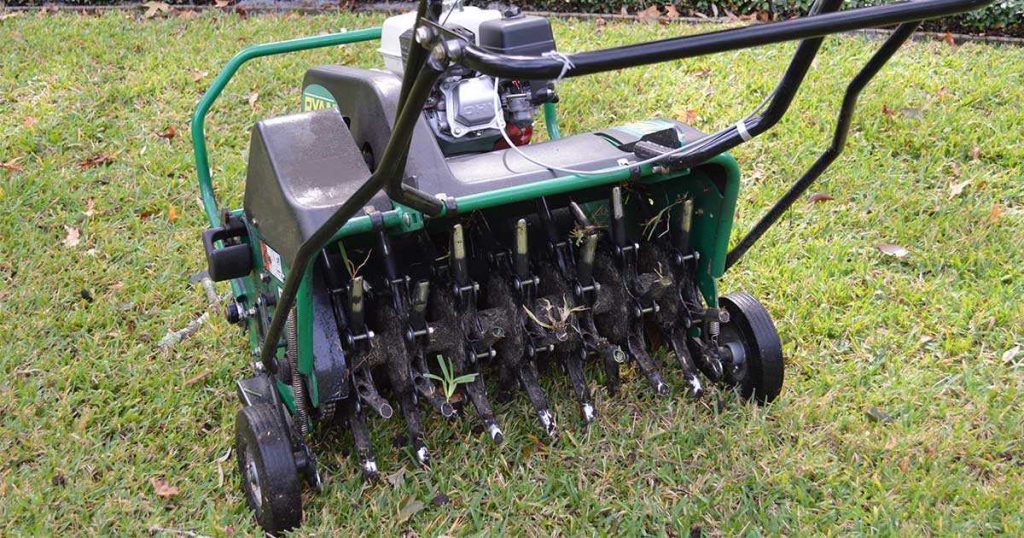
Lawn aeration is a simple yet effective way to promote healthy grass growth and improve your lawn’s overall health. To aerate your lawn, you need to create small holes in the soil to allow air, water, and nutrients to penetrate the grassroots. You can do this with a manual or motorized aerator, which removes plugs of soil from the ground. It’s best to aerate during the growing season, either in the spring or fall, when your grass can recover quickly. Additionally, consider doing this after heavy rainfall or irrigation for optimal results. Now, let’s dive into the step-by-step process to ensure your lawn gets the aeration it needs for a lush and thriving appearance!

How to Do Lawn Aeration
Lawn aeration is a critical process that helps improve the health and appearance of your grass. If you’ve never done it before, don’t worry; this article will guide you through each step in detail. Lawn aeration can lead to healthier, more resilient grass that can withstand heat, drought, and other stresses.
What is Lawn Aeration?
Lawn aeration involves perforating the soil with holes to allow air, water, and nutrients to penetrate deeper into the roots of your grass. This process reduces soil compaction, encourages root growth, and enhances the overall health of your lawn.
Why is Lawn Aeration Important?
Aerating your lawn has several benefits, including:
- Improved air circulation.
- Enhanced moisture absorption.
- Better nutrient uptake.
- Strengthened root growth.
- Increased resistance to drought and disease.
When your grass struggles to absorb essential nutrients, it may lead to weak growth and bare patches. Aerating your lawn regularly can help prevent these issues.
When is the Best Time to Aerate Your Lawn?
The timing of lawn aeration can significantly impact its effectiveness. The best times to aerate typically depend on the type of grass you have:
- Cool-season grasses (like Kentucky bluegrass): Best aerated in early spring or early fall.
- Warm-season grasses (like Bermuda grass): Best aerated in late spring or early summer.
Consider the weather as well; it’s best to aerate when the soil is slightly moist but not overly soggy.
Signs Your Lawn Needs Aeration
Before you decide to aerate, look for these signs that indicate your lawn may benefit from the process:
- Soil is hard and compacted.
- Water pools on the surface instead of soaking in.
- Grass appears thinning or patchy.
- Growth is slow or stunted despite regular care.
If you notice any of these signs, it may be time to take action.
How to Prepare for Lawn Aeration
Preparation is vital for successful lawn aeration. Follow these steps to ensure you’re ready:
1. **Mow Your Lawn**: Cut your grass shorter than usual. This will make aeration more effective.
2. **Water the Lawn**: A day before you aerate, water your lawn to soften the soil. This will make it easier to poke holes.
3. **Remove Debris**: Clear leaves, sticks, or any other debris from the lawn. This allows the aerator to work efficiently.
4. **Mark Sprinkler Heads and Other Obstacles**: Identify and mark any features in your lawn that could be damaged during aeration.
Proper preparation helps ensure that aeration will be effective and safe.
Types of Aeration Equipment
There are two primary methods of aeration, each requiring different equipment:
Spike Aerator
A spike aerator uses solid tines to push holes into the soil. While it is easier to use, it can sometimes lead to further compaction around the holes. Spike aerators are ideal for lighter, less compacted soils.
Core Aerator
The core aerator removes small plugs or cores of soil from the lawn. This method is usually more effective as it alleviates compaction and allows for better penetration of nutrients. Core aerators can come in manual or powered versions.
How to Aerate Your Lawn
Now that you’re ready, let’s get into the steps for aerating your lawn.
Step 1: Choose Your Equipment
Depending on your lawn size, you may choose a manual aerator or rent a powered aerator. Ensure the equipment is suitable for your lawn type and the amount of compaction present.
Step 2: Aerate Your Lawn
1. Start by walking in straight lines across the lawn to ensure even coverage.
2. Ensure you overlap slightly with each pass to avoid missing any spots.
3. For best results, aerate in two directions—first horizontally and then vertically.
Step 3: Clean Up
Once you finish aerating, you may notice small soil plugs on the top of your lawn. Leave these behind; they will break down and add nutrients back into the soil.
Post-Aeration Care
After aerating, your lawn will need care to maximize the benefits:
- Water Regularly: Keep the soil moist to help the roots absorb nutrients.
- Add Fertilizer: Now is a great time to apply fertilizer, as it will penetrate more effectively.
- Seed Bare Spots: If there are thin areas, consider overseeding to help fill them in.
Taking care after aeration is just as crucial as the process itself.
Common Mistakes to Avoid During Aeration
Here are some common mistakes to watch out for when aerating your lawn:
- Not aerating often enough. Regular aeration every 1-2 years is beneficial.
- Aerating when the soil is too dry or too wet can lead to poor results.
- Using the wrong equipment for your lawn type.
- Ignoring post-aeration care.
Avoiding these mistakes ensures that you get the best results from lawn aeration.
Benefits of Lawn Aeration
Understanding the benefits can motivate you to regularly aerate your lawn:
- Improved grass roots lead to a thicker, greener lawn.
- Better soil structure aids in drought resistance.
- Enhanced nutrient uptake leads to healthier grass.
These advantages prove that when done correctly, aeration is well worth the effort.
Maintaining Your Lawn After Aeration
After aeration, here’s how to maintain your lawn for optimal health:
- Continue regular mowing to keep grass at an appropriate height.
- Fertilize as needed, focusing on nutrient-rich products.
- Monitor for pests and diseases to tackle any issues early.
Good maintenance ensures long-lasting results from your aeration efforts.
Lawn Aeration: FAQs
Here are some frequently asked questions about lawn aeration that can help clarify any remaining concerns.
– **How often should I aerate my lawn?**
It depends on soil compaction, but typically every 1-2 years is effective.
– **Can I aerate during dry or hot weather?**
It’s best to aerate when the soil is moist but not muddy.
– **Should I aerate before or after fertilizing?**
It is often more beneficial to aerate first, as it allows nutrients from the fertilizer to penetrate deeper.
By following these comprehensive steps and tips, you can effectively aerate your lawn and enjoy the benefits of a healthier, greener landscape. Remember, lawn care is an ongoing process, and regular aeration plays a critical role in maintaining a beautiful yard.
How To Aerate your Lawn EASY – CORE AERATION
Frequently Asked Questions
“`html
What tools do I need for lawn aeration?
For effective lawn aeration, you will need a core aerator or spike aerator. A core aerator removes plugs of soil from the ground, allowing air, water, and nutrients to reach the roots. You can rent a core aerator from a local garden center or home improvement store if you don’t own one. Additionally, you might want to have a rake, lawn mower, and some grass seed on hand, depending on your lawn’s condition and whether you plan to overseed after aeration.
When is the best time to aerate my lawn?
The optimal time for aerating your lawn typically falls during the growing season. For cool-season grasses, early spring or early fall works best. For warm-season grasses, late spring or early summer is ideal. Aerating during these periods ensures that your lawn can recover quickly and benefit from improved air and nutrient exchange.
How often should I aerate my lawn?
Most lawns benefit from aeration once a year, but some may require more frequent aeration based on soil compaction and foot traffic. If your lawn sees heavy use or has clay soil, you might consider aerating twice a year. Pay attention to the health and appearance of your grass to determine if additional aeration is necessary.
Should I water my lawn before aeration?
Yes, watering your lawn a day or two before aeration helps the soil soften, making it easier for the aerator to penetrate the ground. Aim for moist but not saturated soil. Proper moisture levels ensure that the aerator can effectively remove soil plugs and create holes for better air and water penetration.
How do I prepare my lawn for aeration?
Begin by mowing your lawn to a shorter height than usual, which makes it easier for the aerator to penetrate the soil. Remove any debris, such as sticks or leaves, and mark any underground utilities. After aerating, consider overseeding if your lawn has bare patches. This preparation sets the stage for successful aeration and promotes healthier grass growth.
“`
Final Thoughts
Lawn aeration improves your lawn’s health by relieving soil compaction and enhancing water and nutrient absorption. To do lawn aeration, start by choosing the right tools, like a core aerator, and select an appropriate time, ideally during the growing season.
Begin by mowing the grass to a lower height and marking any obstacles in your yard. Aerate evenly across the lawn, creating holes every few inches. After aeration, consider applying fertilizer or seed to further boost your lawn’s recovery and growth.
In conclusion, knowing how to do lawn aeration properly can lead to a thriving, lush landscape that you can enjoy all year long.