Aerating your lawn is a key step in maintaining a healthy, lush yard, and the frequency of this process can make all the difference. Ideally, you should aerate your lawn at least once a year, typically in the spring or fall, depending on your grass type and climate. If your lawn experiences heavy foot traffic or has compacted soil, consider aerating twice a year for optimal results. This process helps to relieve soil compaction, improve water and nutrient absorption, and promote robust root growth. So, if you want your lawn to thrive, make sure to schedule those aeration sessions and give your grass the breath of fresh air it needs. Let’s dive into the details of effective lawn aeration and how to best implement it for your specific situation!

“`html
How Often Should You Aerate Your Lawn?
Aerating your lawn is a crucial part of maintaining its health and vibrancy. But how often should you really be aerating? Various factors play a role in determining the frequency of aeration, including the type of soil, climate conditions, and how much traffic your lawn experiences. Understanding these elements can help you create a thriving, green space in your yard.
Understanding Lawn Aeration
Before diving into frequency, it’s essential to know what lawn aeration is. Aeration is the process of perforating the soil with holes to allow air, water, and nutrients to penetrate deep into the roots. This process reduces soil compaction, making it easier for roots to grow.
- Aeration improves water absorption.
- It helps nutrients reach the root zone.
- It promotes healthier grass growth.
Factors Affecting Aeration Frequency
Several factors influence how often you should aerate your lawn. These include lawn traffic, soil type, grass type, and climate.
Lawn Traffic
If your lawn sees a lot of foot traffic, it will become compacted more quickly. High traffic areas may need aeration as often as two times a year. On the other hand, a lawn with minimal activity can typically wait longer between sessions.
Soil Type
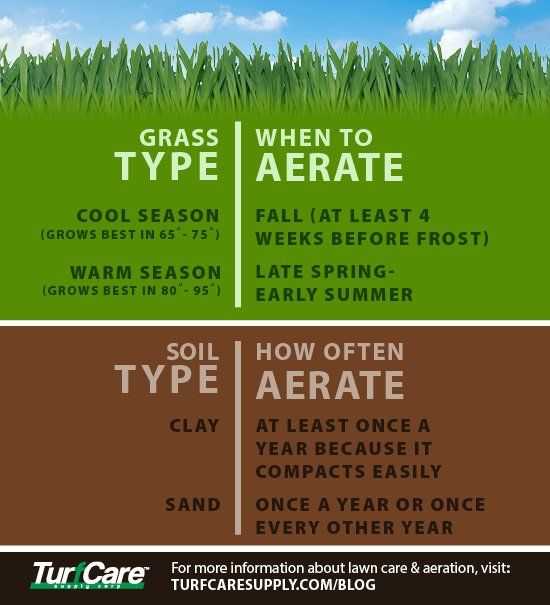
Different soil types affect aeration frequency as well. Clay soils tend to compact easily and may require more frequent aeration. Sandy soils allow for better drainage and may need less frequent aeration.
Grass Type
The type of grass you have also impacts aeration needs. Cool-season grasses generally benefit from spring and fall aeration, while warm-season grasses may require aeration during their active growth phase, typically in late spring or early summer.
Climate Conditions
Weather patterns can significantly affect soil health. In wetter climates, soil may compact more quickly, requiring aeration more frequently. Meanwhile, lawns in drier areas may need less frequent aeration due to lower traffic and moisture levels.
Ideal Aeration Schedules
As a general rule of thumb, here’s a breakdown of how frequently you should aerate your lawn:
- **High Traffic Lawns**: Every 4-6 months.
- **Moderate Traffic Lawns**: Once a year in the growing season.
- **Low Traffic Lawns**: Every 1-2 years.
Signs Your Lawn Needs Aeration
Not sure if your lawn needs aerating? Watch for these indicators:
- Grass appears yellow or thin.
- Water pools on the surface rather than soaking in.
- Soil feels hard and compacted.
If you notice any of these signs, it may be time to aerate your lawn.
The Aeration Process
When you decide to aerate, it’s important to follow the right steps:
- **Choose the Right Time**: Late spring and early fall are ideal for most climates.
- **Prepare Your Lawn**: Mow to a shorter length and clear any debris.
- **Use the Right Tools**: A core aerator is recommended for best results.
- **Aerate**: Go over your lawn in multiple directions for even coverage.
- **Follow Up**: Water your lawn after aeration to encourage recovery.
Post-Aeration Care
After aerating, your lawn will need some extra attention. Here are some tips to help it recover:
- **Water Regularly**: Ensure the soil remains moist to promote recovery.
- **Fertilize**: Apply a balanced fertilizer to nourish your grass.
- **Avoid Heavy Traffic**: Keep foot traffic to a minimum for a few weeks.
These practices can help your lawn recover quickly and provide optimal growth conditions.
Benefits of Regular Aeration
Aerating your lawn has numerous benefits that contribute to its overall health:
- **Improved Root Development**: Strong roots can better absorb moisture and nutrients.
- **Better Airflow**: A well-aerated lawn has improved oxygen levels in the soil.
- **Increased Resilience**: Healthy grass can better withstand diseases and drought.
Regular aeration keeps your lawn looking lush and vibrant throughout the seasons.
Seasonal Considerations for Aeration
Fall and spring are the most popular seasons for lawn aeration, but climate and grass types dictate specific needs.
Fall Aeration
Aerating in the fall is ideal for cool-season grasses. It allows the grass to recover before winter and prepares it for robust growth in the spring.
Spring Aeration
Spring is suitable for warm-season grasses, especially as they begin to green up. Aeration gives a boost to nutrients at the start of their active growth.
Tools for Aerating Your Lawn
The right equipment can make aerating much easier and more effective. Here are the two main types of aerators:
- **Spike Aerators**: These puncture holes in the soil but do not remove any soil. They are less effective for compacted soils.
- **Core Aerators**: These remove small plugs of soil, allowing for better airflow and nutrient penetration.
For best results, opt for a core aerator.
DIY vs. Hiring a Professional
Deciding whether to aerate your lawn yourself or hire a professional can depend on several factors. Here’s what to consider:
- **Time**: DIY requires time and effort; hiring makes it hassle-free.
- **Cost**: Renting equipment can be affordable, but hiring a professional may save you time.
- **Expertise**: Professionals have experience and can ensure effective aeration.
Evaluate your situation to determine the best approach.
Common Myths About Lawn Aeration
Several myths exist about lawn aeration that can lead to confusion. Here are some common misconceptions:
- **Myth**: Aeration is only necessary for unhealthy lawns.
- **Truth**: Regular aeration benefits all lawns, even healthy ones.
- **Myth**: Aeration leads to more weeds.
- **Truth**: Aeration actually promotes stronger grass, reducing weed competition.
Understanding the facts can help you take the best care of your lawn.
Regular aeration plays a vital role in maintaining a healthy and lush lawn. Knowing how often to aerate based on your lawn’s specific needs ensures that it thrives year-round. By keeping an eye on the factors that affect aeration, employing the right techniques, and understanding the benefits of this practice, you can create the perfect environment for your grass to flourish.
WHEN IS THE BEST TIME TO AERATE YOUR LAWN?
Frequently Asked Questions
“`html
What signs indicate that my lawn needs aeration?
If your lawn shows signs of compaction, such as poor drainage, areas of standing water, or unhealthy grass growth, it’s time to consider aeration. Additionally, if your grass feels spongy underfoot or if you notice that your roots are shallow and not penetrating the soil deeply, these are clear indicators that aeration will help improve the overall health of your lawn.
What is the best time of year to aerate my lawn?
The optimal time for aerating your lawn depends on the type of grass you have. For cool-season grasses, early spring or fall are ideal times for aeration, while warm-season grasses thrive when aerated in late spring or early summer. Timing aeration properly maximizes the recovery and growth of your lawn.
How does lawn aeration benefit my grass?
Aeration benefits your grass by allowing air, water, and nutrients to penetrate the soil more effectively. This process helps to break up compacted soil, enhances root development, and fosters a healthier lawn. As a result, your grass can grow more robustly, leading to improved density and color.
Can I aerate my lawn too often?
Aerating your lawn too frequently can cause stress to the grass and disrupt its growth patterns. Generally, you should aerate your lawn once or twice a year, depending on its condition and the type of grass. Over-aeration can remove too much soil and negatively impact the lawn’s overall health.
What equipment do I need to aerate my lawn?
You can rent or purchase a lawn aerator to carry out the process effectively. There are two common types: spike aerators, which create holes by stabbing the ground with spikes, and core aerators, which remove plugs of soil. Core aerators are generally more effective, as they remove soil and allow for better nutrient absorption.
“`
Final Thoughts
Aerating your lawn is essential for maintaining healthy grass. Generally, you should aerate your lawn at least once a year, ideally during the growing season for your specific grass type. For high-traffic areas or compacted soil, consider aerating twice a year.
Timing also matters; spring or early fall often provides the best results. Ultimately, how often should you aerate your lawn depends on your lawn’s needs and usage. Regular aeration promotes better nutrient absorption, ensuring a lush and vibrant lawn year-round.