To effectively treat lawn insects, identify the pest, use targeted insecticides, and maintain a healthy lawn to prevent future infestations. Start by inspecting your yard carefully, then apply appropriate treatments, and keep your grass strong through proper watering and mowing.
If you want to get rid of lawn insects quickly and safely, the key is to identify the specific pests you’re dealing with and select the right treatment method. Combining targeted insecticides with good lawn care practices can keep your grass healthy and free of destructive bugs. Regular inspections and timely intervention are essential to prevent minor issues from turning into full-blown infestations.
A lush, green lawn is the dream of every homeowner, but pesky insects can quickly turn that dream into a headache. From grubs to chinch bugs, lawn pests can damage grass and soil health, making your yard look dull and unhealthy. The good news is that with the right approach, you can control and prevent these intruders. The first step is to identify which insects are causing trouble, then choose suitable treatments that are safe for your family and the environment. Proper lawn maintenance, such as watering and mowing at the right height, also plays a vital role in keeping pests at bay. Armed with these tips, you can restore your yard’s beauty and enjoy a pest-free outdoor space.

How to Treat Lawn Insects
Dealing with lawn insects can be frustrating, but understanding how to address them effectively helps keep your yard healthy. Proper treatment prevents damage and ensures your grass stays lush and green. Let’s explore step-by-step ways to treat lawn insects and keep your lawn pest-free.
Identify Common Lawn Insects
The first step in treating lawn insects is knowing which pests are causing problems. Common ones include grubs, chinch bugs, mole crickets, and armyworms. Each pest damages the lawn differently and requires specific treatment methods.
Grubs
Grubs are white, C-shaped larvae that live under the soil and feed on grass roots. They cause brown patches that don’t recover easily. You may notice birds or animals digging in your yard searching for these pests.
Chinch Bugs
Chinch bugs are small black insects with white wings. They suck the sap from grass blades, leading to yellow patches that turn brown. They are often found in hot, dry areas of the lawn.
Mole Crickets
Mole crickets are brown and look like large, fat worms. They tunnel underground, damaging roots and causing uneven, patchy grass. Their activity is usually noticeable by the mounds they form on the surface.
Armyworms
Armyworms are caterpillars that march across the lawn, voraciously eating grass. They can strip patches completely in a short time, especially during late summer or early fall.
Monitor and Detect Insect Infestation
Regularly inspecting your lawn helps catch problems early. Use a garden trowel or knife to dig small patches of soil and examine for pests. Look for signs like chewed grass, visible insects, or irregular patches of dead grass.
Use Sticky Traps
Sticky traps placed in your lawn can catch adult insects like chinch bugs or adult beetles. Monitoring trap catches over time provides insights into pest activity and population levels.
Natural Methods to Control Lawn Insects
Many organic options effectively control pests without harming the environment. These methods are safer for children and pets and often target specific pests.
Introduce Beneficial Insects
Predatory insects like ladybugs and nematodes naturally attack lawn pests. Applying beneficial nematodes in the soil can significantly reduce grub populations.
Use Organic Sprays
- Neem Oil: Acts as a natural insect repellent and disrupts pest feeding and reproduction.
- Pyrethrin: Derived from chrysanthemum flowers, it kills a variety of insects on contact.
- Soapy Water: A mild solution sprayed on pests can smother small insects like chinch bugs.
Maintain Lawn Health
Healthy grass resists pests better. Regular mowing, watering deep and infrequently, and fertilizing appropriately strengthen your lawn’s defenses. Proper aeration helps improve soil quality and encourages strong root growth.
Chemical Treatments for Lawn Insects
If natural methods aren’t enough, chemical pesticides can be used carefully to control infestations. Always read and follow label instructions for safety and effectiveness.
Select the Right Insecticide
Choose products formulated for specific pests. For example, apply grub control products containing imidacloprid or chlorantraniliprole during the adult or larval stages for best results.
Timing Is Key
Apply treatments when pests are most vulnerable. For example, targeting grubs during late summer or early fall prevents extensive root damage. Use the timing recommended on the product label for optimal effectiveness.
Follow Safety Precautions
Wear protective clothing and avoid applying pesticides during windy weather. Keep children and pets away until the product dries completely.
Preventive Measures to Avoid Future Infestations
Prevention is better than cure. Regular lawn care and monitoring help keep pests from becoming a problem in the first place.
Adjust Watering Practices
Overwatering creates ideal conditions for pests like chinch bugs. Water deeply but infrequently to promote strong grass that can withstand pest attacks.
Maintain Proper Mowing Height
Keeping your grass at the recommended height makes it less attractive to pests. Taller grass shades the soil, maintains moisture, and discourages pest activity.
Good Lawn Hygiene
Remove debris, thatch, and dead grass regularly to eliminate hiding spots for insects. Aerate the soil annually to improve drainage and reduce pest-friendly conditions.
Rotate Your Lawn Care Routine
Avoid using the same fertilizers or treatments repeatedly. Changing your approach can prevent pests from adapting to your method of control.
When to Call Professionals
If pest problems persist despite your efforts, or if you’re unsure about applying chemical treatments, seek help from lawn care professionals. They can assess your lawn and recommend targeted solutions.
Benefits of Professional Pest Control
Experts have access to stronger pesticides and specialized equipment. They can also identify pests accurately and develop an integrated approach for long-term results.
Integrated Pest Management Strategies
Professionals often combine biological, cultural, and chemical methods to control pests effectively while minimizing environmental impact.
Summary of Treatment Strategies
| Method | Advantages | Best Use |
|---|---|---|
| Natural methods | Safe, eco-friendly | Early infestations or small problems |
| Chemical pesticides | Fast and effective | Severe or persistent infestations |
| Prevention practices | Reduces future issues | Ongoing lawn maintenance |
Effective pest control requires a mix of identification, monitoring, and choosing the right treatment at the right time. Focus on creating a healthy garden ecosystem to naturally deter lawn insects. Stay vigilant and proactive to enjoy a lush, pest-free yard all year round.
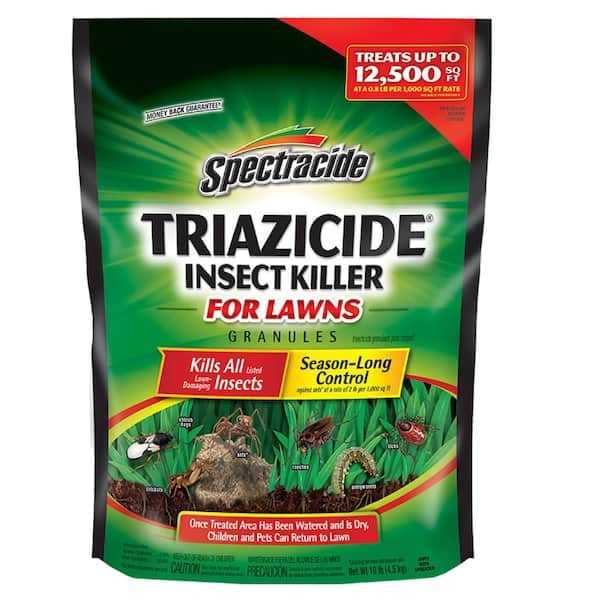
How to Use Spectracide® Triazicide® Insect Killer For Lawns Granules
Frequently Asked Questions
What is the best method to eliminate lawn insects naturally?
Using natural remedies like beneficial nematodes, neem oil, or insecticidal soaps can effectively control lawn insects without harming your grass or the environment. Regularly inspecting your lawn for signs of pests allows you to target treatments early, preventing infestations from spreading. Maintaining healthy soil and proper watering also strengthens your grass, making it less attractive to pests.
How can I prevent lawn insects from returning after treatment?
To prevent pests from coming back, keep your lawn healthy by aerating regularly, fertilizing appropriately, and watering deeply but infrequently. Remove thatch buildup and mow at the correct height to reduce hiding spots for insects. Additionally, avoid overuse of chemical pesticides, which can harm beneficial insects that naturally help control pest populations.
Are there specific lawn treatments effective against common insects like grubs and chinch bugs?
Yes, specific treatments target common pests effectively. For grubs, applying beneficial nematodes or insecticide applied in late summer can reduce populations. Chinch bugs respond well to targeted insecticides or natural predators introduced to the lawn. Always follow product instructions carefully and consider identifying the pest correctly to choose the most effective treatment method.
Final Thoughts
Pour traiter efficacement les insects de la pelouse, identifiez d’abord le type d’insecte présent. Utilisez des insecticides spécifiques ou des méthodes naturelles comme le savon insecticide pour réduire leur nombre. Assurez-vous d’un entretien régulier de la pelouse en arrosant et en tondant correctement. En suivant ces conseils, vous pouvez préserver la santé de votre gazon.
En somme, savoir comment traiter lawn insects permet de protéger votre pelouse. La clé réside dans une détection rapide et l’utilisation des solutions adaptées pour maintenir un espace vert sain.