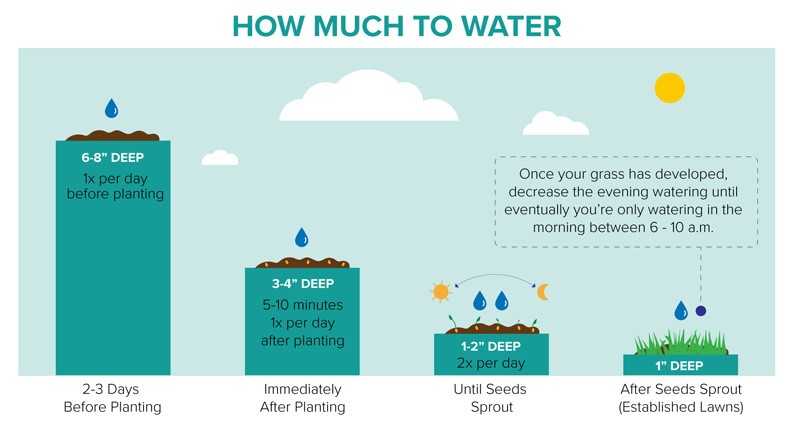
Watering new grass is crucial for establishing a lush, healthy lawn. As a general rule, new grass should be watered daily for the first two to three weeks, providing about 1 to 1.5 inches of water each week, either through rainfall or irrigation. It’s important to keep the soil consistently moist but not soggy, allowing the roots to develop properly. After the initial weeks, you can begin to reduce the frequency to every other day and then to twice a week as the grass matures. Monitoring the weather and adjusting your watering schedule accordingly will help ensure your new grass thrives. With the right care, you’ll soon enjoy a vibrant, green lawn!

How Often to Water New Grass
Watering new grass is crucial for establishing a healthy lawn. Understanding **how often to water new grass** can make a significant difference in its growth and vitality. This article will guide you through the best practices for watering new grass, including frequency, duration, and tips for optimal results.
The Importance of Watering Grass
Water is essential for any plant’s growth, especially for new grass. It helps with seed germination and root development. When grass is first planted, it relies heavily on water. The right amount of moisture encourages deep roots, making the grass more resilient to heat and drought later on.
Signs of Underwatering
If your new grass shows any of these signs, it may be underwatered:
- Brown patches forming
- Grass blades wilting or folding
- Soil that feels dry to the touch
Recognizing these signs early can help you adjust your watering schedule.
How Often Should You Water New Grass?
The frequency of watering new grass mainly depends on several factors, like weather conditions, soil type, and grass variety. Generally, new grass should be watered daily for the first couple of weeks.
First Two Weeks
During the initial two weeks, grass seeds are establishing their roots. Watering daily ensures that the soil stays moist but not waterlogged. Aim for about 15-30 minutes of watering per session.
Weeks Three to Four
After two weeks, you can start easing up a bit. Watering every other day should suffice. This gives roots time to grow deeper, helping your grass become more drought-resistant.
After One Month
Once your grass is about a month old, you can water less frequently, about twice a week. Each time you water, increase the duration to allow deeper penetration into the soil.
Determining Soil Moisture
Knowing when to water is as important as how often you water. A simple method is to check the soil moisture:
1. **Stick your finger into the soil.** If the top inch is dry, it’s time to water.
2. **Use a soil moisture meter.** These devices can give you an accurate reading of soil moisture levels.
This helps you avoid overwatering, which can lead to root rot, an issue you want to avoid.
Weather Considerations
Weather plays a significant role in determining your watering schedule. Hot, sunny days may require more frequent watering than cooler, cloudy days.
During Hot Weather
In hot weather, consider watering early in the morning or late in the afternoon. The sun is less intense, and more water will reach the soil rather than evaporating.
During Rainy Days
If it rains, hold off on watering. Too much moisture can suffocate roots and encourage disease. Monitor your lawn and adjust your schedule accordingly.
Types of Grass Seed
Different grass types have varying water needs. Cool-season grasses like Kentucky Bluegrass prefer more water during warmer months, while warm-season grasses like Bermuda thrive in hotter climates but need less water as they grow.
Grass Water Requirements
Here’s a simple overview based on grass type:
- Kentucky Bluegrass: Requires about 1-1.5 inches per week.
- Bermudagrass: Needs around 0.5-1 inch per week during peak growth.
- Fescue: Typically needs about 1 inch every week.
Researching the specific needs of your grass type will lead to better results.
Methods of Watering
How you water also matters. There are a few effective methods to consider:
Hand Watering
Using a hose with a spray nozzle allows for precise watering. This method is great for small areas but can be time-consuming for larger lawns.
Sprinkler Systems
Sprinklers can save time and ensure even coverage. There are various types of sprinkler systems:
- Oscillating Sprinklers: Great for rectangular areas.
- Rotary Sprinklers: Good for larger spaces.
- Soaker Hoses: Ideal for garden beds and smaller areas.
Choosing the right method will depend on your needs and the size of your lawn.
Best Times to Water
Timing your watering is key. Early morning is the best time to water, as it allows grass to absorb moisture before the heat of the day.
Why Early Morning?
Watering in the early morning reduces evaporation and allows grass to dry out during the day, helping prevent fungal diseases.
Evening Watering
If morning watering isn’t feasible, evening watering can be acceptable. Just ensure there is enough time for grass to dry before nightfall to prevent disease.
Common Mistakes to Avoid
When watering new grass, several common mistakes can hinder growth. Being aware of these will lead to better outcomes.
Overwatering
Many homeowners think that more water is better, but overwatering can drown roots. Always allow the soil to dry slightly between watering sessions.
Inconsistent Watering
Skipping days can shock the grass and hinder its growth. Keeping a consistent watering schedule is essential, especially during the establishment period.
Ignoring Soil Type
Different soil types (clay, sandy, loamy) have different water retention abilities. Knowing your soil type can help you adjust watering frequency and volume.
Watering Techniques for Best Results
A few additional techniques can enhance your watering routine.
Cycle and Soak Method
This method involves watering in shorter bursts rather than a single long session. For example, water for 5-10 minutes, wait for 30 minutes, and water again. This ensures better absorption.
Drip Irrigation
Consider installing a drip irrigation system if you plant grass seeds in beds or garden areas. This method delivers water directly to the roots, minimizing waste.
Using Mulch to Retain Moisture
Adding a thin layer of mulch around your newly planted grass can help retain moisture.
Benefits of Mulching
Mulch reduces evaporation, suppresses weeds, and regulates soil temperature. Organic mulch options include straw or wood chips.
Final Thoughts on Watering New Grass
Watering new grass properly sets the stage for a lush, green lawn. Adjusting your schedule based on the seed type, weather, and soil moisture is vital. Remember, consistency is key! Check your lawn regularly for signs of underwatering or overwatering.
In closing, developing the right watering routine can ensure your grass thrives. By following the guidance provided in this article, you can cultivate a beautiful lawn that stands the test of time. Happy gardening!
3 Phases To Watering New Grass Seeds – How To Do It Properly
Frequently Asked Questions
What is the best time of day to water new grass?
The best time to water new grass is early in the morning, between 6 AM and 10 AM. This timeframe allows the grass to absorb moisture before the heat of the day kicks in, reducing evaporation. Watering in the evening can lead to prolonged moisture on the grass blades, which may promote disease.
How can I tell if my new grass needs water?
You can check if your new grass needs water by looking for signs of drought stress, such as a dull color, footprints that remain visible after walking on it, or grass that begins to wilt. Additionally, you can perform a simple soil test by digging down a few inches; if the soil feels dry, it’s time to water.
Should I adjust my watering schedule based on weather conditions?
Absolutely. If it’s hot and windy, your new grass will likely need more frequent watering compared to cooler, humid conditions. Additionally, after a rainfall, you can reduce or skip watering, as the rain will provide sufficient moisture for the grass.
Can overwatering new grass cause problems?
Yes, overwatering can lead to several issues, including shallow root systems and increased vulnerability to diseases. It’s essential to find a balance; while keeping the soil moist is important, ensure that it doesn’t become saturated, which can suffocate roots and promote fungal growth.
How long should I water new grass each time?
Watering for about 15 to 30 minutes per session is usually sufficient for new grass. This duration allows the water to penetrate the soil deeply, encouraging roots to grow downwards. Always monitor the moisture level in the soil to adjust your watering time as needed.
Final Thoughts
Watering new grass requires a consistent approach to ensure healthy growth. Typically, you should water new grass daily for the first few weeks to keep the soil moist but not soggy. As the grass establishes, you can gradually reduce the frequency to every few days, depending on weather conditions.
Remember, the key is to monitor the moisture level of the soil. Adjust your watering schedule based on rainfall and temperature. Ultimately, understanding how often to water new grass will help it thrive and create a lush lawn.