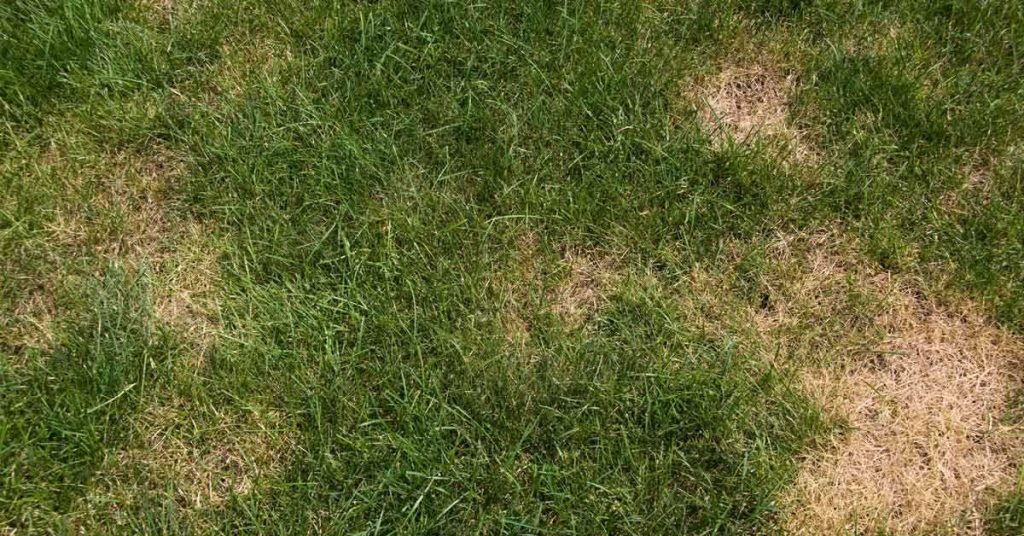
To effectively treat lawn pests, quickly identify the specific pest invading your yard and choose targeted treatments such as beneficial insects or organic pesticides. Regular lawn maintenance, proper watering, and aeration can also prevent future infestations. Addressing pests promptly with the right approach ensures your lawn stays healthy and green.
A lush, pest-free lawn is within your reach when you understand the best strategies to combat common pests. The key is early detection and using eco-friendly remedies that protect your grass while eliminating unwanted critters. In this article, we’ll explore practical tips and proven methods to keep pests at bay and restore the beauty of your lawn.
If you’re tired of seeing those pesky bugs ruin your perfect yard, you’re in the right place. Lawn pests can quickly damage your grass, leaving bald patches and brown spots. But don’t worry—by identifying the type of pest and applying simple, effective treatments, you can reclaim your outdoor space. From natural remedies to professional solutions, we’ll guide you through everything you need to know to treat lawn pests and enjoy a thriving, vibrant yard.

How to Treat Lawn Pests
Controlling lawn pests is essential to keep your grass healthy and vibrant. Pests can quickly damage your lawn, making it look patchy and unhealthy. By understanding the pests and how to treat them, you can save your yard from extensive damage.
Identifying Common Lawn Pests
Before starting treatment, identify what pests are attacking your lawn. Different pests cause different damage patterns and require specific approaches. Common lawn pests include insects, grubs, and disease-causing organisms.
Insect Pests
Insect pests such as armyworms, chinch bugs, and sod webworms feed on grass blades, creating brown patches and thinning turf. Look for insects crawling on the surface or in the soil to confirm their presence.
Grubs
White grubs are beetle larvae that feed on grass roots, causing turf to turn brown and die. You may notice birds, raccoons, or skunks digging in your yard, searching for these grubs.
Diseases and Fungal Pests
Fungal pests like brown patch or rust cause discolored patches and irregular spots on grass. Proper identification helps in choosing appropriate treatment options.
Effective Strategies to Treat Lawn Pests
Managing pests involves a combination of cultural, biological, and chemical methods. Integrating these approaches ensures effective and safe pest control.
1. Cultural Control Methods
Adopt practices that promote a healthy lawn, making it less inviting for pests. Proper mowing, watering, and fertilization are key elements.
Mowing
- Keep your grass at the recommended height for your grass type.
- Regular mowing prevents pests from establishing and reduces thatch buildup where pests hide.
Watering
- Water deeply but infrequently to encourage deep root growth.
- Avoid overwatering, which can create a moist environment favorable to fungi and pests.
Fertilization
- Feed your lawn with balanced fertilizers suitable for your grass type.
- Healthy grass resists pests better and recovers quickly from damage.
2. Biological Control Tactics
Use natural predators and beneficial organisms to control pest populations without chemicals. These options are eco-friendly and target pests specifically.
Predatory Insects
- Introduce nematodes to combat soil-dwelling grubs and larvae.
- Ladybugs and lacewings feed on aphids and other small insects harming your lawn.
Microbial Agents
- Apply microbial pesticides like Bacillus thuringiensis, which specifically targets certain pests.
- Use these products as directed to avoid harming beneficial organisms.
3. Chemical Pesticides
When pests are severe, chemical treatments may be necessary. Always follow the manufacturer’s instructions for safe and effective use.
Choosing the Right Pesticide
- Select pesticides labeled for your specific pest problem.
- Opt for products with low toxicity to humans and pets for safety.
Applying Pesticides
- Apply during calm, dry weather to prevent drift and runoff.
- Use appropriate equipment for even coverage, focusing on infested areas.
Prevention Tips to Keep Lawn Pests Away
Prevention is often easier than cure. Implementing good lawn care practices reduces the likelihood of pest infestations.
Maintain Proper Lawn Health
- Keep grass at optimal height to prevent pest hiding spots.
- Remove thatch buildup, which can harbor pests and diseases.
Avoid Overwatering and Over-fertilization
- Maintain a consistent watering schedule suited for your grass type.
- Use fertilizer sparingly and only as needed to avoid excess that attracts pests.
Monitor Regularly
- Inspect your lawn often for early signs of pests or damage.
- React quickly to small issues before they become major problems.
Natural Remedies for Lawn Pest Control
If you prefer eco-friendly options, several natural remedies can help manage pests effectively.
Neem Oil
Neem oil acts as a natural insecticide that disrupts pest feeding and reproduction. Spray neem oil solution on affected areas to reduce pest populations.
Diatomaceous Earth
- This powder contains fossilized algae that dehydrates insects and pests.
- Sprinkle on the lawn, especially in pest-infested zones, for chemical-free control.
Companion Planting
Plant pest-repelling plants like marigolds or garlic around your lawn to deter insects naturally. This method also enhances lawn aesthetics.
Timing and Frequency of Pest Treatments
Applying treatments at the right time maximizes effectiveness. Early spring and late summer are critical periods for pest control.
Monitoring Pest Life Cycles
- Learn when pests are most active and vulnerable.
- Apply control measures before pests reach damaging levels.
Frequency of Applications
- Repeat treatments as necessary, usually every two to four weeks.
- Always adjust based on pest severity and weather conditions.
Additional Tips for a Pest-Free Lawn
Besides direct treatments, other strategies can help keep your lawn healthy and pest-resistant. Aerate your soil to improve root growth and reduce compaction. Regularly rake and remove debris that can harbor pests or fungal spores.
Ensure proper drainage to avoid excess moisture, which attracts insects and promotes disease. Overseeding thin areas strengthens turf, making it less prone to pest invasions. Combine these methods with routine inspections for an overall healthy and pest-resistant lawn.
How to Easily Treat Bugs in the Lawn / Keep Your Lawn Bug Free
Frequently Asked Questions
What natural methods can I use to control lawn pests?
You can encourage beneficial insects like ladybugs and predatory beetles that prey on pests. Applying organic substances such as neem oil or insecticidal soaps can also help manage pests without harming your lawn. Additionally, maintaining healthy grass through proper watering, mowing, and fertilizing reduces the chances of pests taking hold.
How often should I inspect my lawn for pest activity?
Inspect your lawn at least once a week, especially during peak pest activity seasons in spring and summer. Look for signs like unusual patches, holes, or chewed grass blades. Regular inspections allow you to catch infestations early and take prompt action to prevent extensive damage.
What cultural practices can minimize pest problems?
Practicing proper lawn maintenance plays a significant role in pest control. Keep your grass at the recommended height, avoid overwatering, and aerate the soil to improve drainage and root health. Removing debris, thatch, and weeds also reduces habitat for pests, making your lawn less inviting to unwanted insects and animals.
Are chemical pesticides a safe option for treating lawn pests?
Chemical pesticides can be effective but pose risks to beneficial insects, pets, and the environment. Use them as a last resort and follow the manufacturer’s instructions carefully. Whenever possible, opt for targeted products that minimize collateral damage and consider combining their use with organic methods for a balanced approach.
What should I do if pests have caused extensive damage to my lawn?
If your lawn sustains significant damage, start by removing heavily affected grass and debris. Treat the remaining pest populations with appropriate controls, such as organic solutions or targeted pesticides. After dealing with pests, improve lawn health through overseeding, fertilization, and proper watering to encourage quick recovery and prevent future infestations.
Final Thoughts
To treat lawn pests effectively, start by identifying the specific pest problem. Use natural remedies like beneficial nematodes or insecticidal soaps to target pests safely. Regular lawn maintenance, such as proper mowing and watering, helps prevent infestations. Consistently monitoring your lawn allows you to act swiftly against pests. Knowing how to treat lawn pests ensures a healthy, lush yard that remains pest-free.