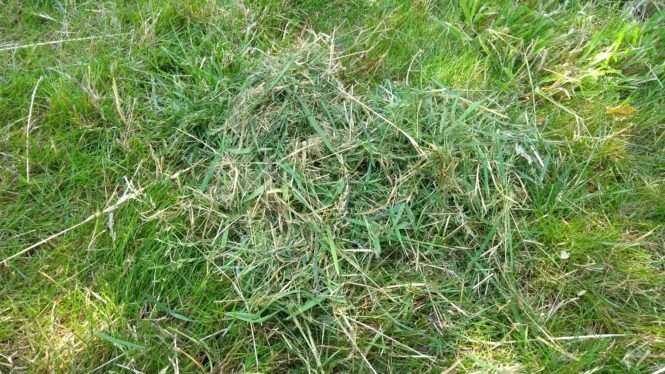
To effectively collect grass clippings after mowing, use a quality lawn mower with a built-in bag or attach a suitable grass catcher. Ensure the mower blades are sharp for a clean cut, and mow when the grass is dry to prevent clumping. Regularly empty the catcher to maintain efficiency and keep your lawn looking neat.
Collecting grass clippings after mowing can be simple and rewarding if you have the right tools and techniques. The key is using a mower with a good grass catcher or a rake for manual collection, especially if you prefer leaving mulched grass. Starting with a clean, dry lawn makes the process easier, as wet grass tends to cling and clog equipment. Proper collection not only keeps your yard tidy but also helps prevent thatch buildup and promotes healthy grass growth. Whether you prefer a freshly cut look or mulching, understanding the best methods will make your lawn maintenance quicker and more effective.

How to collect grass clippings after mowing
Collecting grass clippings after mowing is an important step to keep your lawn healthy and looking great. Proper collection prevents thatch buildup and ensures your grass gets the right nutrients. Let’s explore the best methods and tips for gathering grass clippings effectively.
Understanding the importance of grass clipping collection
Removing grass clippings helps prevent the lawn from becoming matted. It also improves air circulation and reduces the chance of pests. Additionally, collecting clippings encourages even growth and maintains a tidy appearance.
Choosing the right tools for gathering grass clippings
Grass catchers and bagging systems
Most lawnmowers come with a built-in grass catcher or bagging attachment. These systems make collecting clippings simple and quick. Look for models that fit your mower and are easy to detach for emptying.
Rakes and manual tools
If your mower doesn’t have a collection system, use a lawn rake to gather grass clippings. Rakes with flexible tines are gentle on the grass and easier to handle. For larger areas, leaf blowers equipped with a vacuum function can also be effective.
Leaf blowers with vacuum attachments
These tools can quickly gather scattered clippings into piles. They are especially useful for larger lawns or uneven terrains. Maintain your blower to ensure optimal performance and safety during use.
Techniques for effective grass clipping collection
Timing your mowing and collection
It’s best to mow when the grass is dry. Wet grass tends to clump and is harder to collect. Regular mowing prevents clippings from becoming too long or tangled.
Mowing in the right pattern
Change mowing directions each time to avoid soil compaction. This method helps in evenly distributing clippings and makes collection easier. Use a consistent pattern to create neat, uniform lines.
Optimizing mower settings for collection
Adjust the mower height to the optimal level for your grass type. A slightly higher cut can reduce the amount of clippings and improve collection. Also, ensure the blades are sharp for clean cuts and less clumping.
Methods for collecting grass clippings
Using a bagging mower attachment
The easiest and cleanest way to collect grass clippings is through a bagging attachment. It attaches directly to your mower and collects clippings as you mow. Remember to empty the bag regularly to prevent overfilling.
Manual collection with a rake
For small lawns or areas without a bagger, rake the grass clippings into piles. Use a garden fork or scoop to transfer clippings into compost bins or trash bags. This method requires more effort but works well in tight spaces.
Using a leaf blower with vacuum feature
A leaf blower with a vacuum setting can suck up scattered grass clippings. Blow the clippings into a corner or a designated pile for easy collection. This method saves time and effort, especially on large or uneven lawns.
Proper disposal and reuse of grass clippings
Composting grass clippings
- Grass makes excellent compost material due to its high nitrogen content.
- Mix clippings with leaves or shredded paper to balance carbon and nitrogen.
- Turn the compost regularly for even decomposition.
Using clippings as mulch
Spread a thin layer of grass clippings around plants to conserve moisture and suppress weeds. Make sure the layer isn’t too thick to prevent matting and odor.
Disposing of clippings properly
If not composting, dispose of grass clippings in designated green waste containers or follow local guidelines for yard waste recycling. Avoid leaving clippings on paved surfaces, as they can clog drains or stain surfaces.
Additional tips for efficient grass clipping management
- Maintain your mower’s blades to ensure clean cuts and easier clipping collection.
- Remove debris such as sticks and rocks before mowing to prevent damage to equipment.
- Adjust mowing height based on grass type and season for optimal clipping size and collection.
Using mulch mowers for grass clipping management
Mulch mowers cut grass into tiny pieces that fall back onto the lawn. This method reduces the need for collection and nourishes the soil naturally. Ensure your mower is designed for mulching to achieve best results.
Timing of mowing and collection during the growing season
In spring and early summer, mow more frequently to manage rapid growth. During late summer or drought periods, adjust mowing to conserve moisture and avoid excessive clippings.
Safety considerations while collecting grass clippings
- Always turn off the mower before attaching or removing collection devices.
- Wear gloves when handling grass clippings to avoid skin irritation.
- Be cautious of flying debris when using blowers or rakes in windy conditions.
Maintaining your collection tools for longevity
Clean your mower’s bag or chute regularly to prevent clogging. Sharpen mower blades to avoid uneven cuts and excessive clumping of clippings. Store tools in a dry place to prevent rust and damage.
Properly managing grass clippings after mowing not only keeps your yard looking tidy but also promotes a healthier lawn. Using the right tools and techniques ensures an efficient process, saving you time and effort. With these tips, you’ll be able to easily collect and reuse or dispose of grass clippings responsibly, supporting a greener environment and a lush lawn.
5 Ways To Use Grass Clippings In Your Garden
Frequently Asked Questions
What equipment can help in collecting grass clippings efficiently?
Using a mower equipped with a built-in bagging system makes collecting grass clippings straightforward. Alternatively, attaching a grass catcher or collection bag to your mower allows you to gather clippings directly as you mow. These tools prevent clippings from scattering and make disposal easier while maintaining a tidy lawn.
When is the best time to empty the grass collection container?
Empty the collection container whenever it becomes half full or after completing each mowing session. Doing so prevents clogging and ensures your mower maintains optimal performance. Regularly clearing the container also makes handling and disposal more manageable.
How should I dispose of or reuse gathered grass clippings?
You can compost grass clippings to enrich your garden soil or use them as mulch around plants and trees. If you prefer disposal, check local regulations for yard waste, and take the clippings to designated collection sites. Proper disposal or reuse helps reduce waste and benefits your garden environment.
What are some tips to avoid missing sections while collecting grass clippings?
To ensure complete collection, mow in straight lines and overlap each pass slightly. Keep the collection system clean and in good working order. Also, adjust your mower height to ensure it cuts grass effectively, which minimizes the chance of clippings escaping during mowing.
Final Thoughts
To collect grass clippings after mowing effectively, use a mower equipped with a grass catcher bag. Attach the bag securely before starting to ensure all clippings are captured efficiently. For larger lawns, consider using a push or riding mower with an integrated collection system. Regularly empty the bag to prevent clogging and maintain optimal mowing performance. By following these steps, you can keep your lawn tidy and promote healthy grass growth. How to collect grass clippings after mowing becomes a simple task when approached with the right tools and techniques.