To reduce lawn waste with smart landscaping, focus on using drought-tolerant plants, installing efficient irrigation systems, and incorporating mulch to retain moisture. These strategies help minimize water usage and prevent over-mowing, leading to less green waste and a more sustainable yard. Smart landscaping transforms your lawn into an eco-friendly space that requires less maintenance and waste disposal.
Want a greener lawn that’s less wasteful and more sustainable? Start by choosing native and drought-resistant plants that thrive with minimal watering. Integrate smart irrigation systems such as drip irrigation or rain sensors to avoid overwatering. Mulching around plants not only conserves water but also reduces the need for frequent mowing and trimming. These simple yet effective tips can significantly cut down on lawn waste while making your outdoor space more environmentally friendly and easier to care for.

How to reduce lawn waste with smart landscaping
Understanding Lawn Waste and Its Impact
Lawn waste includes grass clippings, leaves, branches, and other organic debris that accumulate when maintaining a yard. Excessive waste can clutter your landscape, harm the environment, and increase disposal costs. Reducing lawn waste benefits your garden’s health and minimizes environmental footprint.
Benefits of Smart Landscaping for Waste Reduction
Smart landscaping involves planning and designing your yard to minimize waste production. It promotes sustainability, conserves resources, and creates a more attractive outdoor space. By implementing thoughtful strategies, you can cut down on unnecessary waste and maintain a lush, healthy lawn.
Effective Lawn Maintenance Techniques
Proper lawn care is key to controlling waste. Over-fertilizing or cutting grass too short causes unnecessary clippings and weakens your lawn. Use mower blades sharp enough to produce fine clippings and set the mower height to optimal levels.
Optimal Mowing Practices
- Mow regularly to avoid removing more than one-third of grass height at once.
- Keep mower blades sharp for clean cuts, reducing particle waste.
- Raise mower height during hot months to encourage strong roots and reduce mowing frequency.
Grasscycling and Mulching
Grasscycling involves leaving grass clippings on the lawn after mowing. These clippings decompose rapidly, returning nutrients to the soil. Mulching mowers cut grass into fine pieces, enabling quick absorption and reducing waste volume.
Incorporating Eco-Friendly Landscaping Elements
Designing your yard with eco-conscious elements can cut down on waste. Use native plants, which require less water and fertilizers, producing less debris. Also, select drought-tolerant species that reduce the need for frequent watering and ongoing maintenance.
Choosing Native and Drought-Resistant Plants
Native plants grow naturally in your region, minimizing waste from plant removal or replacement. Drought-resistant species thrive with less water, reducing runoff and organic waste from overwatering.
Creating Naturalized Areas
Establishing wildflower meadows or naturalized plant zones provides habitats for local wildlife and reduces mowing. These areas require less maintenance and generate minimal yard waste.
Implementing Smart Irrigation Systems
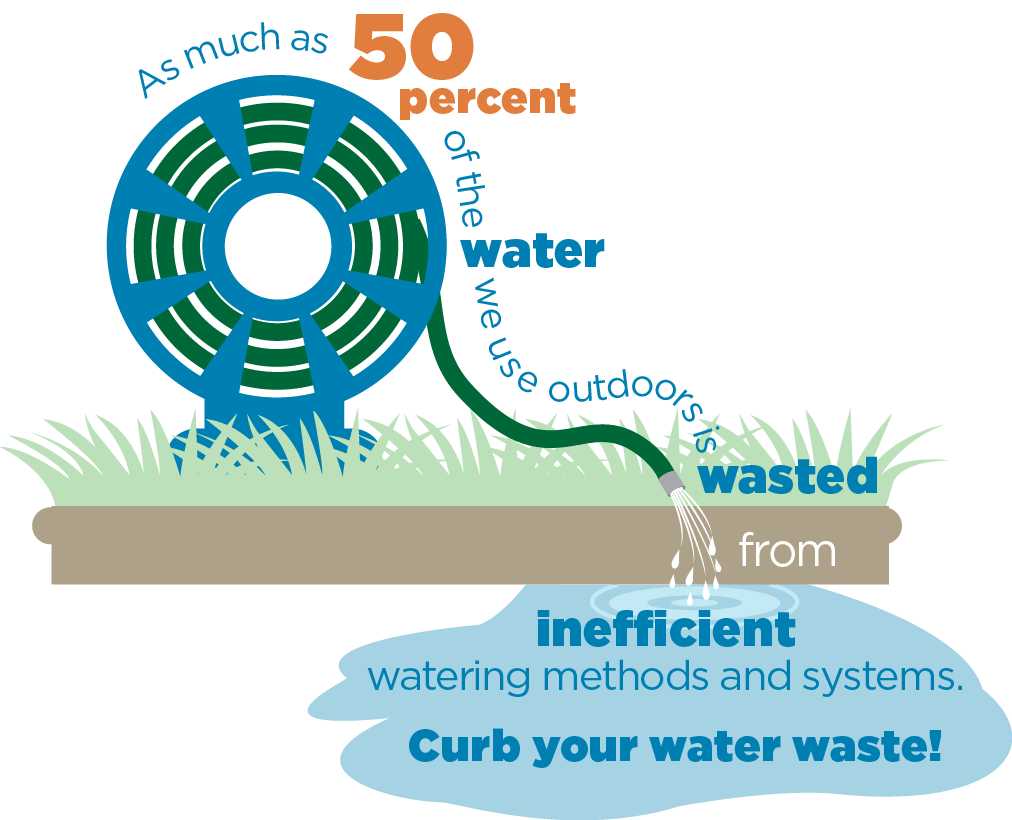
Efficient watering techniques help reduce runoff and organic waste from overwatering. Modern irrigation tools conserve water and prevent unnecessary plant decay, which can contribute to yard waste.
Rain Sensors and Drip Irrigation
Rain sensors automatically stop watering when rain is sufficient, preventing overwatering. Drip irrigation delivers water directly to roots, minimizing evaporation and runoff.
Scheduling Watering for Optimal Growth
Water deeply and infrequently to promote healthy root systems. Proper scheduling prevents plant stress and reduces dead plant matter that could turn into waste.
composting and Recycling Yard Waste
Turning organic waste into useful compost lowers waste volumes and enriches your soil. Composting reduces landfill contributions and creates natural fertilizer for your garden.
Start a Backyard Compost Bin
Use kitchen scraps and yard debris to produce compost. Balance green materials (like grass clippings and leaves) with brown materials (straw or shredded paper) for nutritious compost.
Composting Tips for Success
- Aim for a mix of green and brown materials to maintain airflow.
- Keep compost moist but not soaked.
- Turn the pile regularly to speed up decomposition.
Utilizing Landscape Design to Minimize Waste
Thoughtful design reduces the need for frequent lawn maintenance and minimizes waste. Incorporate features that promote natural beauty and reduce debris.
Incorporating Permeable Surfaces
Use permeable paving, gravel, or mulch instead of continuous grass areas to manage water runoff and decrease mowing requirements.
Designing for Minimal Lawn Area
Limit traditional lawn spaces in favor of garden beds, ground covers, or native plant zones. Smaller lawns generate less grass clippings and organic debris.
Use of Smart Garden Tools and Technologies
Advances in gardening tools help manage waste efficiently. Automated systems and eco-friendly equipment simplify yard work and reduce unnecessary waste.
Robotic Lawn Mowers
Robotic mowers keep grass at a consistent height, reducing clippings and waste. They operate quietly and can be programmed to mow frequently, preventing overgrowth.
Soil Moisture Sensors and Timers
These tools help optimize watering schedules, preventing plant stress and decay. Less dead plant material means less yard waste.
Community and Policy Initiatives
Engaging with local programs can promote waste reduction beyond your yard. Participate in composting initiatives, or check if your community offers waste recycling or yard waste collection services.
Participating in Local Composting Programs
Many communities provide compost drop-offs or curbside collection for yard waste. These services prevent organic waste from ending up in landfills.
Supporting Sustainable Landscaping Policies
Advocate for policies that promote native planting, organic maintenance, and waste recycling. Collective efforts make a broader impact on reducing lawn waste.
Monitoring and Adjusting Your Smart Landscaping Plan
Regular assessment ensures your waste reduction methods remain effective. Track your progress and make adjustments based on seasonal changes or lawn conditions.
Keeping a Maintenance Log
Record mowing frequency, watering times, and composting activities to identify areas for improvement. Use this data to refine your approach.
Adapting to Seasonal Changes
Adjust your watering, mowing, and planting practices with the seasons to maintain a healthy yard and reduce waste throughout the year.
Incorporating these smart landscaping techniques helps you produce less yard waste and create a more sustainable outdoor environment. Simple changes, ongoing care, and innovative tools can make a major difference in reducing lawn debris. This approach keeps your yard beautiful, healthy, and eco-friendly while helping to preserve our planet for future generations.
Gardening tip. How to minimize your yard waste weight.
Frequently Asked Questions
What are effective ways to minimize grass clippings and yard debris?
You can reduce grass clippings and yard debris by implementing mulching techniques when mowing. Mulching blades finely chop grass, allowing it to decompose naturally and return nutrients to the soil. Avoid over-pruning plants and remove only what is necessary to maintain healthy growth. Using compostable yard waste baskets or compost bins also helps manage debris responsibly, reducing waste sent to landfills.
How can selecting native plants contribute to less lawn waste?
Choosing native plants ensures they are well-suited to your local climate and soil conditions, requiring less water, fertilizers, and pesticides. This reduces the need for excessive maintenance and trimming, thereby decreasing yard waste. Native plants typically grow in a more manageable manner, meaning you spend less time trimming and removing dead foliage.
In what ways does creating a diversified landscape help in waste reduction?
Designing a diversified landscape that includes a mix of trees, shrubs, and ground covers reduces the need for frequent mowing and trimming. Incorporate planting beds with perennials and low-maintenance plants to minimize pruning. This approach decreases the amount of yard waste generated over time and promotes a healthier, more sustainable outdoor space.
Final Thoughts
How to reduce lawn waste with smart landscaping involves choosing drought-tolerant plants and native species. These plants need less water and maintenance, minimizing waste and effort.
Use proper mowing techniques, such as leaving grass at the right height, to promote healthy growth and reduce clipping waste. Mulching and composting grass clippings also help recycle nutrients back into your soil.
Implementing these strategies makes your lawn more sustainable and less resource-intensive. Smart landscaping creates an eco-friendly yard while reducing lawn waste effectively.