Image source: Pixabay / katerinavulcova (Pixabay Content License)
You pulled a mango seed out of the fruit, set it up to germinate, and now it's cracked right down the middle. Before you panic, take a breath. A split mango seed is one of the most common things home growers run into, and it's not always a bad sign.
The reason your mango seed split depends on what stage it's in and what conditions it's been exposed to. Sometimes it's the natural germination process doing its job. Other times it's a signal that something went wrong with moisture, temperature, or handling.
Let's walk through exactly what's happening and what you should do next.
The Quick Answer: It's Usually Normal (But Not Always)
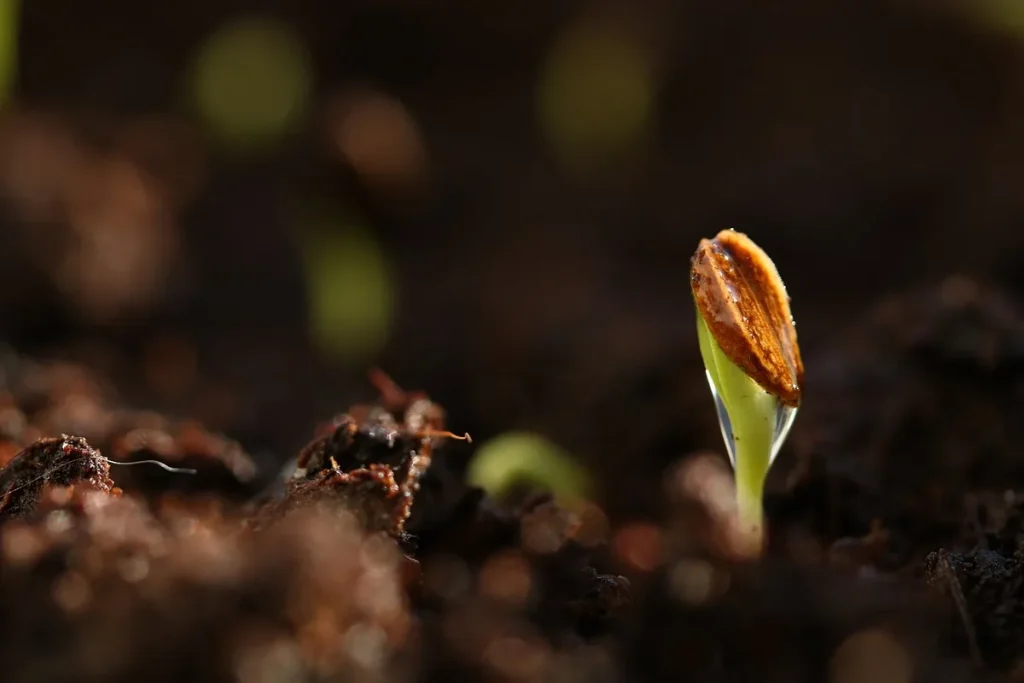
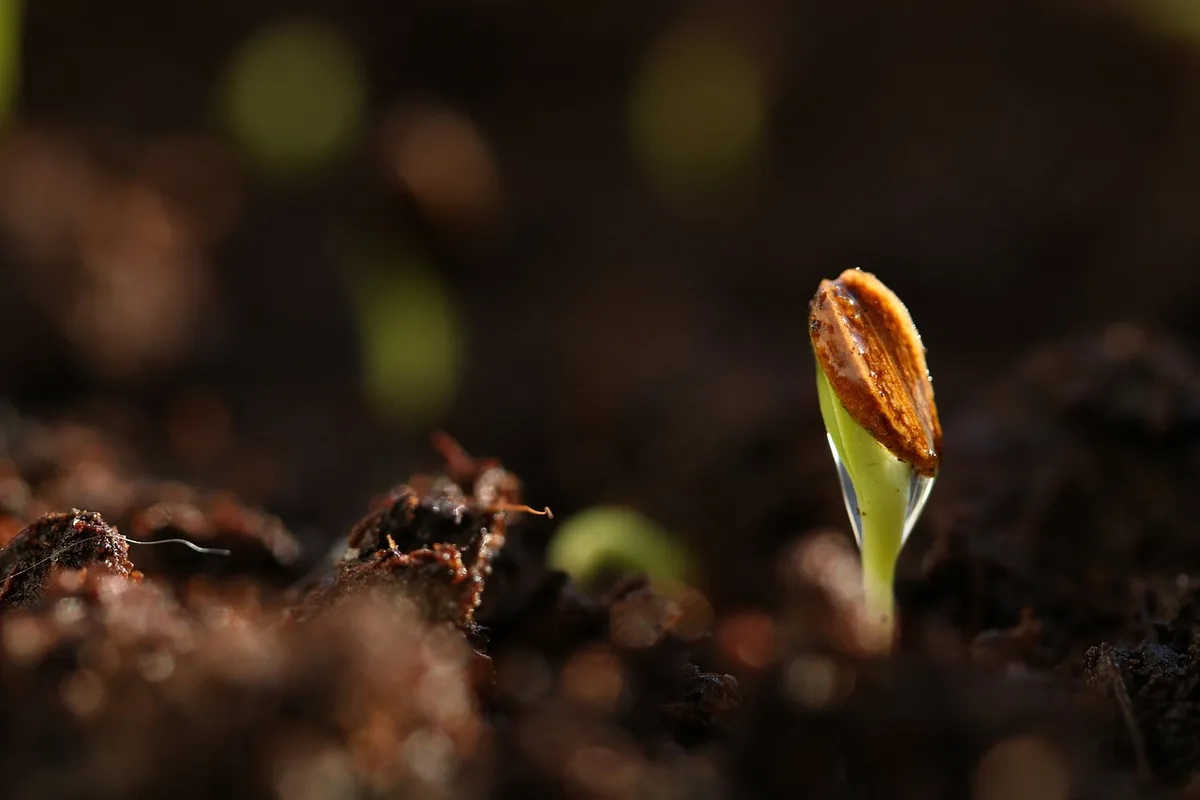
A mango seed splits most often because the embryo inside is expanding during germination. The husk cracks open to let the root and shoot emerge. This is a healthy, natural process.
However, splitting can also result from overwatering, rapid rehydration after drying, or physical damage. The key is looking at the seed's condition. A clean split with firm, cream-colored tissue inside is a good sign.
A split with mushy, discolored, or foul-smelling tissue means the seed is rotting.
How a Mango Seed Actually Works
To understand why splitting happens, it helps to know what you're working with. A mango seed (from Mangifera indica) isn't a simple pellet. It's a complex structure with several layers, each playing a role in protecting and eventually releasing the embryo.
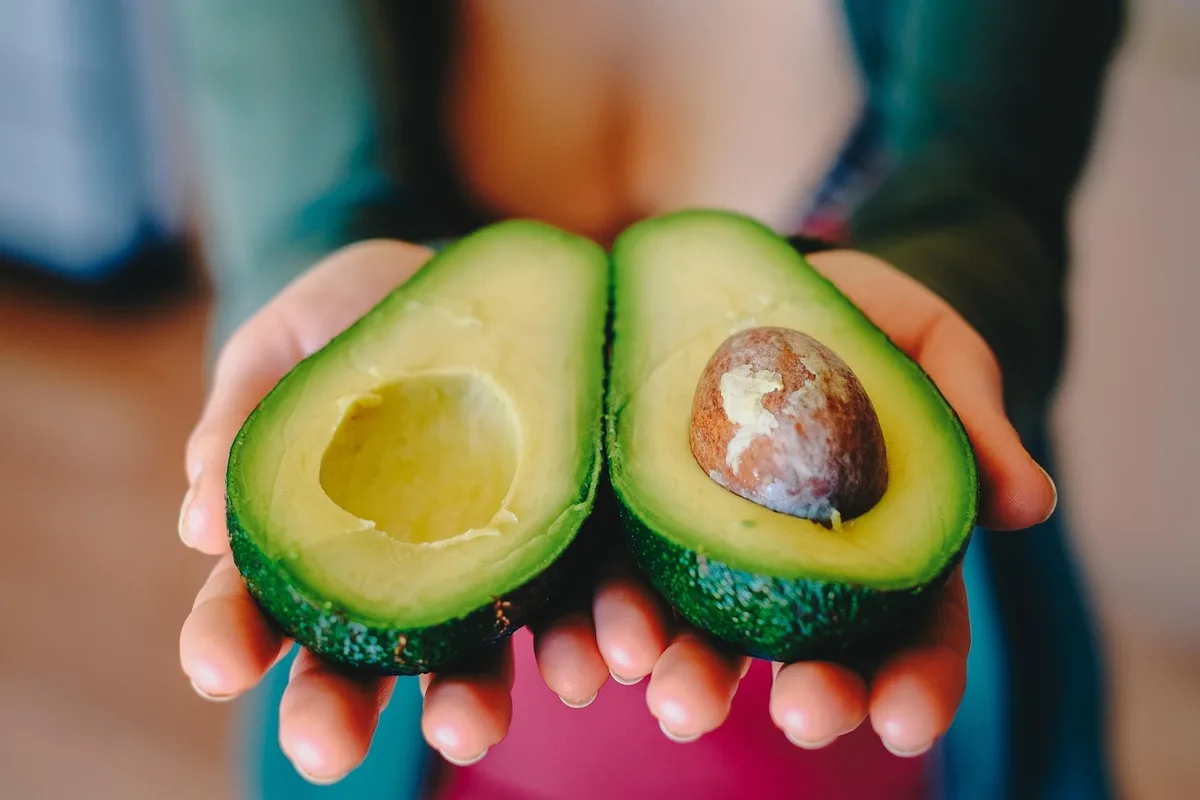
Image source: Pixabay / coyot (Pixabay Content License)
Here's what's inside:
- The outer husk (endocarp): This is the hard, woody shell you see when you crack open a dried mango pit. It's thick and fibrous, designed to protect the seed from physical damage and drying out.
- The seed coat (testa): A thin papery layer just inside the husk. It wraps around the embryo and endosperm.
- The embryo: The actual baby plant. It contains the genetic material that will become roots, stem, and leaves.
- The endosperm: Stored food tissue that feeds the embryo during germination.
Mango seeds are dicotyledonous, meaning the embryo has two seed leaves (cotyledons). Many popular mango varieties sold in the US are also polyembryonic, which means a single seed can contain multiple embryos. This is why you sometimes get several seedlings from one seed.
The husk is rigid but not infinitely strong. When internal pressure builds from the embryo absorbing water and expanding, the husk cracks open and lets the new plant out.
The 5 Most Common Reasons Your Mango Seed Split
Not every split is the same. The cause depends on timing, conditions, and how the seed was handled. Here are the five scenarios you're most likely dealing with.
Natural Germination: The Seed Is Doing Exactly What It Should
This is the best-case scenario. When a mango seed absorbs moisture and the embryo begins to grow, internal pressure builds against the husk. Eventually, the husk cracks along its natural seam, and the root (radicle) pushes through.
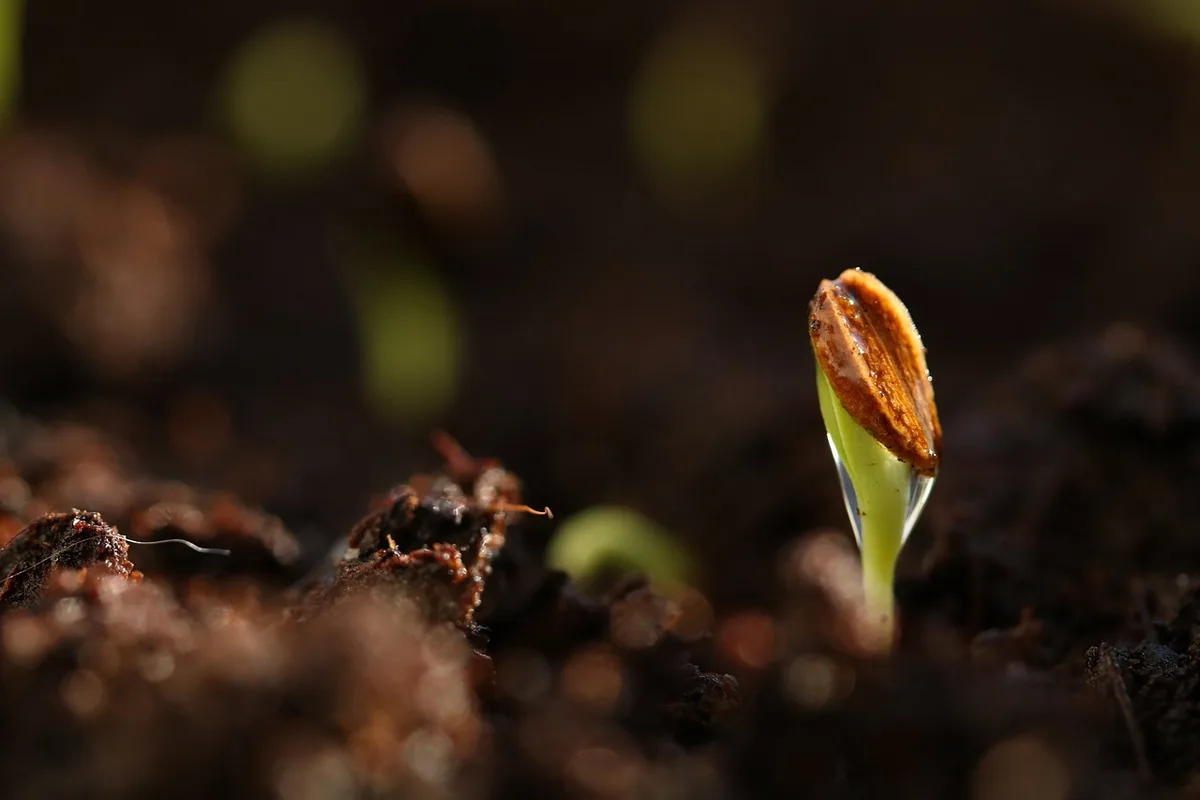
Image source: Pixabay / katerinavulcova (Pixabay Content License)
Signs this is a healthy germination split:
- The split runs along the natural seam of the husk
- The tissue inside is firm and cream-colored or pale green
- You can see a small white root or shoot emerging
- There's no foul smell
- The seed feels heavy and full, not hollow or lightweight
If this is what you're seeing, your seed is right on track. Keep it in warm, moist conditions (70 to 85°F is ideal) and let it do its thing. Most mango seeds germinate within one to three weeks under the right conditions, according to the University of Florida IFAS Extension.
Overwatering or Soaking Too Long
Here's where things go wrong for a lot of people. Mango seeds need consistent moisture to germinate, but there's a real difference between "damp" and "waterlogged."
When a seed sits in standing water or in a soaking-wet paper towel for too long, it absorbs moisture faster than the embryo can use it. The internal tissues swell rapidly, and the husk cracks from the pressure. Worse, the excess moisture creates an environment where fungi and bacteria thrive.
Signs overwatering caused the split:
- The seed feels mushy or soft around the crack
- The tissue inside is brown, gray, or translucent
- There's a sour or rotten smell
- You see fuzzy white, green, or black mold
- The seed has been sitting in water for more than 48 hours without a change
If you catch this early, you can sometimes save the seed. Remove it from the water, gently pat it dry, and let the surface air-dry for a few hours. Then restart germination with a damp (not soaking) paper towel, and change the towel every day or two to keep things fresh.
Rapid Moisture Absorption After Drying Out
This one catches people off guard. If your mango seed dried out partially and then you soaked it or placed it in very wet conditions, the sudden rush of water into the seed tissues can cause the husk to crack.
Think of it like a dried sponge dropped into water. It expands fast, and if the outer shell can't stretch to accommodate the swelling, it splits.
This is especially common with seeds that were extracted from the fruit and left to dry on a counter for several days before germination was attempted. The husk becomes brittle, and when it finally absorbs water, it can't flex the way a fresh husk would.
To avoid this, start germination within a few days of extracting the seed from the fruit. If you need to store it, keep it in a cool, slightly humid environment rather than letting it bone-dry on a windowsill.
Physical Damage During Husk Removal or Handling
A lot of guides recommend carefully cracking or cutting the husk to speed up germination. This works well when done right, but it's easy to go too far.
If you applied too much pressure with a knife, pliers, or even just your hands, you may have cracked the husk in a way that wasn't along its natural seam. This kind of split can damage the embryo inside, especially if the tool penetrated past the husk into the seed tissue.
Signs of damage-related splitting:
- The crack is irregular, not along the natural seam
- You see bruising or crushed tissue inside
- The split happened immediately during husk removal
- Parts of the embryo were nicked or cut
If the embryo itself was damaged, the seed likely won't germinate. But if the crack is only in the husk and the embryo looks intact, proceed with germination as normal. The seed may still be viable.
Temperature Stress and Environmental Shock
Mango seeds are tropical. They're adapted to warm, stable temperatures. When they're exposed to cold drafts, sudden temperature swings, or direct heat sources, the husk and internal tissues can expand and contract at different rates.
This thermal stress can cause cracking.
This is less common than moisture-related splitting, but it happens. Seeds left near a cold window in winter, or placed directly on a heating mat set too high, are the usual culprits.
Keep your germinating seeds in a spot that stays consistently between 70 and 85°F. A warm cupboard, the top of a refrigerator, or a seedling heat mat set to low all work well. Avoid anywhere that gets direct cold airflow or intense direct heat.
How to Tell a Healthy Split From a Damaged One
This is the decision point. Not every split seed is worth saving, and knowing the difference will save you weeks of waiting on a seed that's already dead.
Here's a quick diagnostic checklist:
| What to Check | Healthy Split | Damaged / Rotting Split |
|---|---|---|
| Color inside | Cream, pale white, or light green | Brown, gray, black, or translucent |
| Texture | Firm and plump | Mushy, slimy, or papery-dry |
| Smell | Neutral or faintly earthy | Sour, rotten, or musty |
| Mold | None | Fuzzy white, green, or black growth |
| Root or shoot visible | Yes, small white root or green shoot emerging | No growth, or growth that's brown and withered |
| Timing | Split appeared after 1 to 3 weeks of germination | Split appeared within hours of soaking or handling |
Image source: Pixabay / ivabalk (Pixabay Content License)
If your seed checks the "healthy" boxes, keep going with germination. If it's showing signs of rot, it's best to discard it and start fresh with a new seed. Trying to rescue a rotting seed rarely works, and the mold can spread to other seeds or seedlings nearby.
One more thing worth noting: even a healthy split seed is vulnerable once the husk is open. The protective barrier is gone, and pathogens can enter more easily. Keep your germination environment clean, use fresh paper towels, and don't let the seed sit in stagnant water.
What to Do Right Now If Your Seed Has Split
Your next steps depend entirely on what you found when you inspected the seed. Here's how to handle each scenario.
If the Split Looks Clean and the Inside Is Firm
You're in good shape. Move the seed to its next stage:
- If you've been using the paper towel method, transfer the seed to a pot with well-draining soil. Plant it about one inch deep with the split facing slightly to the side (not straight up or down).
- If you've been soaking the seed in water, move it to soil now. Prolonged water exposure after the husk has opened increases the risk of rot.
- Keep the soil consistently moist but not soggy. Water when the top half-inch of soil feels dry.
- Place the pot in a warm, bright location. A south-facing window or a spot under grow lights works well.
- Expect the root to establish within one to two weeks, followed by the first shoot.
If the Seed Feels Mushy, Smells Off, or Shows Mold
Unfortunately, this seed is unlikely to recover. Here's what to do:
- Discard the seed. Don't compost it, as the mold spores can persist.
- If you were germinating multiple seeds together, check the others carefully. Remove any that show signs of contamination.
- Clean your germination container with a dilute bleach solution (one part bleach to nine parts water) and rinse thoroughly before starting over.
- Start fresh with a new seed, and this time keep a closer eye on moisture levels.
It's frustrating to lose a seed, but it's better to cut your losses early than to spend weeks waiting on something that was never going to sprout.
How to Germinate a Mango Seed Without It Cracking Prematurely
If you want to minimize the chance of a problematic split, the key is controlling moisture and temperature from the very start. You can't always prevent the husk from cracking during germination (nor should you want to, since that's part of the process). But you can avoid the kinds of splits that kill the seed.
Here's a reliable method that keeps things steady:
Step 1: Extract and clean the seed. Remove all fruit flesh from the mango pit. Any leftover residue invites mold. Rinse it under running water and pat it dry.
Step 2: Decide on husk removal. You can germinate with the husk on or off. Leaving it on gives the embryo more protection but slows germination by a week or two. Removing it speeds things up but increases the risk of drying out or physical damage.
If you remove it, use a sharp knife to carefully slice along the edge of the husk and pry it open. Don't force it.
Step 3: Set up the paper towel method. Dampen a paper towel until it's moist but not dripping. Fold the seed inside it, slide the whole thing into a zip-top bag, and leave the bag slightly open for air circulation.
Step 4: Find a warm spot. Place the bag somewhere that stays between 70 and 85°F. The top of a refrigerator or a warm kitchen cabinet works well. Avoid windowsills where temperatures fluctuate.
Step 5: Check every two to three days. Look for mold, make sure the towel is still damp, and watch for the first sign of a root. Once the root is about one to two inches long, it's time to move the seed to soil.
The biggest mistake people make at this stage is over-managing the moisture. If the paper towel is sopping wet, the seed will absorb water too fast and the husk will crack before the embryo is ready. Damp is the goal.
Not wet.
Mistakes That Cause Unnecessary Seed Splitting
Beyond overwatering, there are a few other habits that lead to cracked or damaged seeds. Here's what to watch out for:
- Letting the seed dry out completely before starting. A bone-dry husk is brittle. When it finally absorbs water, it can crack violently. Start germination within a few days of extracting the seed.
- Using standing water for extended soaking. A 12 to 24 hour soak is fine to kickstart germination. Leaving a seed in a cup of water for days is asking for trouble. The seed needs oxygen, and stagnant water cuts that off.
- Planting too deep in soil. If you bury a mango seed more than two inches deep, the embryo has to push through a lot of soil to reach the surface. This can cause the husk to crack under the strain, and the seedling may not make it out at all.
- Exposing seeds to cold temperatures. Anything below 60°F slows germination dramatically and can cause thermal stress cracks. If your house runs cool, use a seedling heat mat.
- Handling the seed roughly during inspection. It's tempting to squeeze or poke the seed to check on it. Resist that urge. A developing embryo is fragile, and physical pressure can crack the husk or damage the root.
Expert Tips for Handling Mango Seeds the Right Way
After looking at common germination failures and successful methods, a few best practices stand out:
- Use fresh seeds. Viability drops the longer a seed sits around. Seeds extracted and planted within one to two weeks of being removed from the fruit have the highest germination rates.
- Label your seeds if you're doing multiple varieties. Different mango varieties have different husk thicknesses and germination speeds. Tommy Atkins seeds behave differently from Kent or Ataulfo seeds.
- Don't throw away a split seed too quickly. Unless you see clear signs of rot, give it a chance. Some seeds split early and still produce healthy seedlings.
- Keep a spray bottle handy. Instead of pouring water over your germinating seeds, mist the paper towel lightly. This gives you much better control over moisture levels.
- Transplant gently. Once the root emerges and reaches about an inch, move the seed to a pot carefully. The young root breaks easily. Handle the seed, not the root.
One more tip that's easy to overlook: use a pot with good drainage. Mango seedlings hate wet feet. A container with drainage holes and a well-draining potting mix (something with perlite or coarse sand mixed in) will serve you much better than heavy garden soil.
Frequently Asked Questions
Is a split mango seed still viable?
In most cases, yes. If the tissue inside is firm and cream-colored, the seed is still viable and should continue germinating. Only discard it if you see mold, mushiness, or a foul smell.
How long does it take for a mango seed to split during germination?
Under ideal conditions (70 to 85°F, consistent moisture), most mango seeds show signs of splitting within one to three weeks. Some polyembryonic varieties may take slightly longer.
Should I crack the husk before planting?
You can, but it's not required. Leaving the husk on gives the embryo more protection and reduces the risk of damage. Removing it speeds up germination by about a week but requires a careful hand.
Can a mango seed split from being left in fruit that's gone bad?
Yes. If the mango fruit overripens or starts to rot while the seed is still inside, the seed can be exposed to excess moisture and fungal activity. This may cause premature splitting or internal damage.
Always extract seeds from fresh, healthy fruit.
What temperature is too cold for mango seed germination?
Anything below 60°F significantly slows or stops germination. Below 50°F, the seed may suffer cold damage. Keep germinating seeds in a consistently warm environment.
My seed split but nothing is growing. What happened?
The embryo may have been damaged during the split, or the seed may have dried out after cracking. Check the tissue inside. If it's brown or papery-dry, the seed is no longer viable.
If it still looks healthy, give it another week in warm, moist conditions before giving up on it.
The Bottom Line: Should You Worry About a Split Mango Seed?
In most cases, no. A split mango seed is a normal part of the germination process. The husk cracks because the embryo inside is growing and pushing its way out.
That's exactly what you want to see.
The only time a split is a real problem is when it's caused by rot, physical damage, or environmental stress. Learn to read the signs (color, texture, smell), and you'll know quickly whether your seed is on track or done for.
If you're just getting started with mango seed germination, don't overthink it. Keep things warm, keep things damp but not soaked, and give the seed time. Most failures come from too much intervention, not too little.