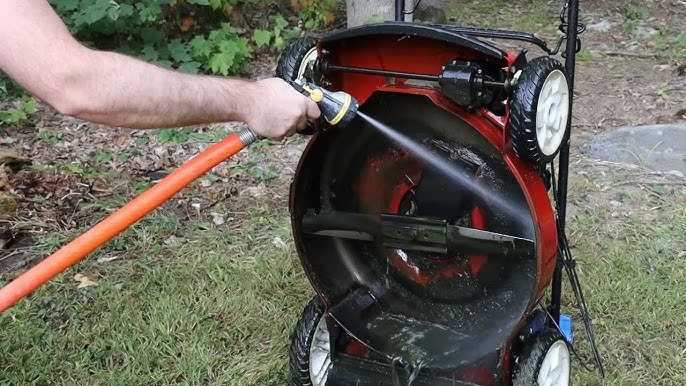
To keep your lawn equipment running smoothly and looking great, a quick cleaning after each use is essential. Simply remove debris, wash the blades or mower deck, and oil any moving parts to prevent rust and ensure optimal performance. For thorough cleaning, use a brush, hose, and appropriate cleaning agents, and always dry your tools properly before storing them.
Cleaning your lawn equipment doesn’t have to be a chore; with a few simple steps, you can extend its lifespan and keep your yard looking pristine. After each mow or lawn care session, take a few minutes to clear away grass clippings, dirt, and debris. This prevents buildup that can cause rust or mechanical issues down the line. Regular maintenance not only improves the efficiency of your tools but also makes the job easier and quicker each time. Whether you’re dealing with a lawnmower, trimmer, or edger, proper cleaning is the key to long-lasting, reliable equipment that helps you achieve a beautifully maintained yard.

How to Clean Lawn Equipment
Cleaning your lawn equipment regularly is essential to keep it running smoothly and to extend its lifespan. Proper cleaning prevents the buildup of dirt, grass, and debris that can cause damage or reduce performance. In this guide, you’ll learn step-by-step methods and tips to clean various types of lawn tools effectively.
Gathering the Right Supplies for Cleaning
Before you begin cleaning, assemble all the necessary supplies to make the process smooth. You’ll need:
- Safety gloves to protect your hands
- Protective goggles to shield your eyes
- A sturdy brush or scrubbing pad
- Old rags or towels for wiping
- Garden hose with a spray nozzle or pressure washer
- Cleaning solution or mild soap
- Degreaser for oily parts
- Engine oil or lubricant for moving parts
- Small tools like screwdrivers or pliers for disassembly
Having everything ready saves time and ensures that your equipment gets cleaned thoroughly. Always prioritize safety by wearing gloves and goggles during cleaning.
Preparing Your Equipment for Cleaning
Start by turning off and unplugging or disconnecting your lawn equipment from power sources. For gas-powered tools, remove the spark plug wire to prevent accidental starting. Allow the equipment to cool down if it has been used recently.
Remove any loose debris or grass clippings from the surfaces. Use a blower or brush to clear away dirt from hard-to-reach areas. This initial step ensures that dirt does not spread further when you begin washing.
Cleaning Lawn Mower Blades and Deck
The deck and blades are the most critical parts to keep clean. Grass buildup can cause uneven cutting and damage blades. First, tilt the mower on its side, making sure to drain any remaining fuel safely.
Use a sturdy brush and a cleaning solution to scrub the underside of the deck thoroughly. For stubborn grass or grime, apply a degreaser or a mix of warm water and soap. Rinse with a garden hose or pressure washer, avoiding sensitive parts like the motor.
Sharpening and Maintaining Blades
While cleaning, inspect the blades for signs of dullness, nicks or cracks. Sharpen blades using a file or a grinding tool following manufacturer instructions. Replace blades that are damaged beyond repair.
Ensure blades are balanced after sharpening to prevent vibrations during operation. Properly maintained blades cut grass evenly, keeping your lawn tidy and healthy.
Cleaning Chainsaws and Trimmers
Chainsaws and string trimmers have many moving parts that need extra attention. Remove the chainsaw chain and bar for detailed cleaning. Use a brush and a degreaser to scrub away oil and grime from these parts.
Clean the air filter and spark plug to maintain engine health. Lubricate moving parts with appropriate oils to prevent rust and ensure smooth operation.
Inspecting and Replacing Parts
Check for signs of wear, such as frayed cords or worn-out chains. Replace damaged or worn parts promptly. This proactive step keeps your tools safe and functional.
Remember to oil the chainsaw chain and guide bar after cleaning. Proper lubrication reduces friction and extends the lifespan of these components.
Cleaning Lawn Tractors and Ride-On Mowers
For larger equipment like lawn tractors, focus on the engine compartment, tires, and underbody. Remove any grass, mud, or debris from hard-to-reach areas.
Use a gentle spray from the garden hose to clean the surface, avoiding high pressure near the engine or electrical components. For persistent dirt, use a soft brush along with mild soap.
Engine and Radiator Care
Clean the radiator and cooling fins to prevent overheating. Use compressed air or a soft brush to remove dirt and debris. Ensure that all vents are clear for proper airflow.
Check the oil and fluid levels regularly and replace or top off as needed. Clean filters and inspect belts and hoses for any damage.
Cleaning Garden Attachments and Accessories
Garden tools like aerators, dethatchers, and spreaders also need regular cleaning. Remove soil, grass, or fertilizer residues after each use.
Wash with water and a mild soap if necessary. Dry thoroughly to prevent rust formation and lubricate moving parts before storing.
Storage Tips for Lawn Equipment
Proper storage ensures longevity. Clean tools thoroughly before storing in a dry, sheltered place. Store in an upright position if possible to avoid damage.
Apply a coat of lubricant to moving parts and spray a rust inhibitor if recommended. Cover equipment with a breathable tarp for extra protection.
Additional Maintenance Tips for Long-Term Care
Along with regular cleaning, perform routine inspections of your equipment. Check for loose bolts, damaged wires, or worn belts.
Change engine oil and replace filters as recommended by the manufacturer. Sharpen blades annually or after a set number of hours of use.
Using Proper Cleaning Agents
Avoid harsh chemicals that can damage your equipment. Stick to mild soap, water, and manufacturer-approved cleaners. For greasy parts, a degreaser designed for outdoor power tools works best.
Read labels carefully to ensure compatibility with your specific equipment to prevent corrosion or damage.
Safety and Precautions During Cleaning
Always disconnect power sources before cleaning. Wear protective gear to prevent injuries from sharp blades or moving parts.
Handle fuels carefully and work outdoors to avoid inhaling fumes. Dispose of chemicals responsibly according to local regulations.
Routine cleaning of your lawn equipment is simple but essential. It keeps your tools functioning efficiently and extends their lifespan. With proper supplies, safety precautions, and maintenance routines, your equipment will perform well season after season.
The best cleaning solution for your lawn care equipment!
Frequently Asked Questions
What is the best way to remove grass clippings and debris from lawn equipment?
Use a sturdy brush or a scraper to remove grass clippings and dirt from the blades, deck, and other components. Employ a hose to rinse off stubborn dirt, taking care to avoid spraying electrical parts. For thorough cleaning, consider using a pressure washer on suitable parts, but keep electrical connections dry. Regular cleaning after each use helps prevent buildup and keeps your equipment in good working condition.
How can I properly clean a lawn mower blade without damaging it?
First, disconnect the spark plug to prevent accidental starting. Wear gloves to protect your hands. Use a wrench to remove the blade carefully, then scrub it with a wire brush and soapy water to remove caked-on grass and grime. Rinse thoroughly and dry completely before reinstalling. Sharpen the blade if needed, and ensure it is balanced before reattaching to prevent vibrations during mowing.
What cleaning products are safe to use on lawn equipment?
Use mild soap or specialized lawn equipment cleaners that are safe for metal and plastic parts. Avoid harsh chemicals like bleach or degreasers that can corrode components. A mixture of water and biodegradable detergent works well for most surfaces. For stubborn grime, a diluted degreaser designed for outdoor power tools can be effective, but always follow the manufacturer’s instructions and rinse thoroughly afterward.
How often should I clean my lawn equipment to ensure optimal performance?
Clean your equipment after every use to prevent grass and dirt buildup. At the end of each mowing season, perform a comprehensive cleaning to remove residual debris and check for wear or damage. Regular maintenance not only extends the lifespan of your tools but also keeps them running efficiently when you need them most.
What special precautions should I take when cleaning electric lawn tools?
Ensure the equipment is unplugged or the battery is removed before cleaning. Keep electrical parts dry by avoiding direct spraying of water on electrical outlets and switches. Use a damp cloth to wipe surfaces and a soft brush to remove dirt. Do not submerge electric components in water, and allow all parts to dry completely before reconnecting or recharging to prevent electrical shorts or damage.
Final Thoughts
To clean lawn equipment effectively, remove any debris and grass clippings after each use. Use a stiff brush or compressed air to clear dirt from vents and blades. Regular maintenance prevents rust and keeps your equipment running smoothly.
Always follow the manufacturer’s instructions for specific cleaning procedures. Keep parts dry and store equipment in a clean, dry place to avoid corrosion.
How to clean lawn equipment properly extends its lifespan and ensures optimal performance, making your lawn care easier and more efficient.