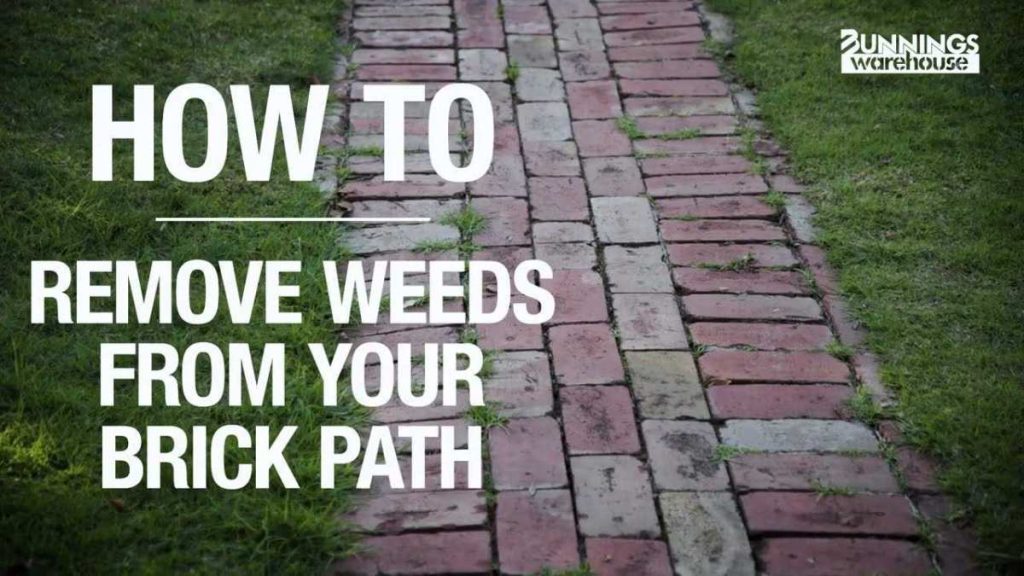
To quickly remove grass between bricks, start by applying a weed killer or boiling water to kill the weeds, then use a stiff brush or a pressure washer to scrub away the loosened grass and debris. For stubborn spots, a scraping tool can help lift out the remaining roots, leaving your brick surface clean and tidy.
Cleaning grass between bricks may seem like a never-ending chore, but with the right approach, you can keep your patio or walkway looking pristine. Whether it’s overgrown weeds or stubborn moss, tackling these unwanted plants requires a mix of simple tools and effective techniques. By understanding how to efficiently remove the grass and prevent its return, you’ll enjoy a neat outdoor space that’s inviting and well-maintained. This guide will walk you through straightforward steps to eliminate grass between bricks, helping you restore the beauty of your paved surfaces with ease.

How to Clean Grass Between Bricks: A Complete Guide
Understanding Why Grass Grows Between Bricks
Grass often finds its way into the gaps between bricks because of soil and moisture accumulation. Over time, these tiny plants can make your walkway or patio look untidy. Knowing why grass appears helps you choose the right cleaning method.
Grass seeds can blow in from nearby areas or get carried by wind or animals. Once they settle into the cracks, they start sprouting if there’s enough soil and water. Maintaining a clean brick surface prevents grass from taking root again and again.
Gathering the Right Tools and Supplies
Before you start cleaning, gather everything you need for the job. Some essential tools include:
- Wire brush or a stiff-bristled broom
- Garden hoe or hand weeder
- Pressure washer (preferably with a fan nozzle)
- Vinegar or commercial weed killer
- Bucket of water and soap
- Protective gloves and eye protection
- Garden sprayer or spray bottle
Using the right equipment makes the task easier and more effective. For tough grass or weeds, a sturdy wire brush helps loosen roots. For larger areas, a pressure washer can save you a lot of effort.
Manual Removal of Grass and Weeds
Start by removing the grass manually for small patches. Use a garden weeder or a small shovel to carefully dig out the roots. Be sure to remove as much of the root system as possible to prevent regrowth.
If you prefer a quicker method, a stiff-bristled broom can sweep away surface grass. For stubborn weeds, pulling with your hands while wearing gloves can be effective. Removing the grass early prevents it from spreading further.
Applying Natural Remedies for Grass Removal
Natural solutions are eco-friendly options for controlling grass between bricks. Vinegar is a popular choice because of its acidity. Fill a spray bottle with white vinegar and spray it directly onto the grass.
Allow the vinegar to sit for a few hours to kill the grass. Reapply if necessary, especially after rain. Keep in mind that vinegar can affect nearby plants, so spray carefully. Other natural options include boiling water or salt, but use these with caution.
Using Vinegar Effectively
Vinegar works best on small patches of grass. For best results:
- Spray vinegar during dry, sunny weather for maximum absorption
- Avoid spraying on plants you want to keep healthy
- Repeat applications may be necessary for complete removal
Remember, vinegar is a contact herbicide that kills grass on contact but doesn’t affect roots deeply. Follow-up removal may be needed for long-term results.
Chemical Weed Killers and Their Use
Commercial weed killers can be effective for persistent grass between bricks. Select a product labeled for use on hard surfaces and follow the manufacturer’s instructions.
Apply weed killer using a spray bottle or garden sprayer to targeted areas. Wear protective clothing and avoid overspray onto desirable plants or lawns. Allow the chemical to work over several days before proceeding to cleaning.
Safety Tips When Using Chemical Herbicides
Always read labels carefully and use in well-ventilated areas. Keep children and pets away until the product dries completely. Dispose of any unused chemicals responsibly, following local regulations.
Power Washing for Deep Cleaning
A pressure washer can effectively remove dirt, moss, and grass from between bricks. Use a fan nozzle for broader spraying and avoid too high pressure that might damage the bricks.
Maintain a consistent distance and move the wand steadily across the surface. Power washing not only cleans but also loosens embedded debris and grass roots. It works well after manual removal or chemical treatment.
Tips for Using a Pressure Washer Safely
– Wear safety goggles and gloves at all times
– Keep the pressure at a safe level to prevent brick damage
– Test on a small area first to check the effect
– Use a sweeping motion for even cleaning
Regular pressure washing can help keep your brick surface looking clean and prevent grass from re-establishing.
Preventing Future Grass Growth
Prevention is key to maintaining a grass-free brick surface. Consider applying a weed-resistant sealant or polymeric sand in the gaps between bricks. These materials fill the cracks and inhibit weed growth.
Other preventive steps include regular sweeping and removing debris promptly. Installing a landscape fabric underneath the bricks can also prevent soil and seeds from settling into the gaps.
Maintaining Your Brick Surface for Long-Term Results
Consistent maintenance prolongs cleanliness and prevents grass from coming back. Schedule routine inspections and remove any new weeds as soon as they appear.
Applying a layered approach combining manual removal, natural or chemical treatments, and power washing yields the best results. Keep your bricks in top shape by keeping the surface dry and free of organic matter.
Additional Tips for a Cleaner, Greener Space
– Use eco-friendly products as much as possible to protect the environment
– Opt for natural herbs or homemade solutions to avoid chemical exposure
– Regularly inspect and repair damaged bricks to prevent weed invasion
– Consider DIY sealing of bricks to make future cleaning easier
By following these detailed steps, your brick surface will stay tidy and free of grass for years to come.
Related Topics
- Best types of bricks for outdoor paving
- How to remove moss from brick surfaces
- DIY sealing techniques to protect brick patios
- Natural ways to control weeds in your garden
Maintaining a clean and attractive brick surface requires a combination of effort, the right tools, and preventive care. Whether you choose manual removal, natural remedies, or power washing, consistency is the secret to success.
Natural way to remove weeds from your paver patio! #homeownerhack #landscapingmaterials #yardlife
Frequently Asked Questions
What is the best way to remove weeds from between bricks?
To effectively eliminate weeds, pull them out by hand or use a weeding tool to remove the roots completely. Apply a weed-killing solution or boiling water directly to the weeds to prevent regrowth. Regular maintenance and sealing the gaps between bricks can also reduce weed growth over time.
How can I prevent grass from growing between my brick pavers?
Fill the gaps with polymeric sand or fine gravel that compacts tightly, making it difficult for grass and weeds to take root. Regularly sweep and refill the joints to maintain a clean surface. Sealing the pavers also helps lock in the joints and discourage unwanted plants from growing.
What cleaning tools are effective for removing grass and dirt from between bricks?
Utilize a stiff-bristled brush or a putty knife to scrub and loosen debris from the joints. A pressure washer can also be highly effective in dislodging dirt, grass, and weeds while cleaning the entire surface efficiently. Always adjust the pressure to avoid damaging the bricks.
Can I use chemical treatments to clear grass between bricks without damaging my pavers?
Yes, choose a targeted weed killer that is safe for use around bricks. Apply it directly on the grass and weeds, avoiding excessive spread to surrounding areas. Follow the manufacturer’s instructions for safe and effective use, and rinse off any residues to prevent damage to the pavers.
What are some natural alternatives for removing grass between bricks?
Pour boiling water over the grass to kill it without chemicals. Salt solutions or vinegar mixed with water can also be effective, but use these carefully to avoid staining or damaging the bricks. Regularly manual removal combined with these natural treatments helps maintain a neat appearance.
Final Thoughts
To clean grass between bricks effectively, start by removing loose debris with a broom or brush. Next, use a weed killer or a mixture of vinegar and water to target stubborn grass. Scrub the gaps with a narrow brush or a wire brush to loosen dirt and grass roots. Rinse thoroughly with water to complete the process.
In conclusion, knowing how to clean grass between bricks ensures a neat and well-maintained outdoor space. Regular cleaning prevents weeds from spreading and keeps your bricks looking fresh. With these simple steps, you can maintain a tidy patio or walkway effortlessly.