To get rid of rust in your lawn, start by improving air circulation through proper mowing and watering practices, and consider applying a suitable fungicide if the problem persists.
Rust in your lawn can be a frustrating issue, but don’t worry – it’s manageable! This fungal disease usually manifests as orange or yellow patches, often indicating that your grass is stressed. The good news is that with the right approach, you can restore the health of your lawn. Begin by addressing the environmental factors contributing to rust, like poor air circulation and inadequate nutrients. Make sure to mow regularly and water properly to boost your grass’s resilience. And if rust continues to plague your lawn, targeted fungicide treatments can help. Let’s dive deeper into effective strategies to tackle this problem!

How To Get Rid Of Rust In The Lawn
Dealing with rust in your lawn can be frustrating, especially when it impacts the beauty and health of your grass. Rust is a fungal disease that can take hold in your yard, leaving unsightly orange or yellow patches. Fortunately, there are effective strategies you can use to eliminate rust and restore your lawn’s vibrant green color.
Understanding Lawn Rust
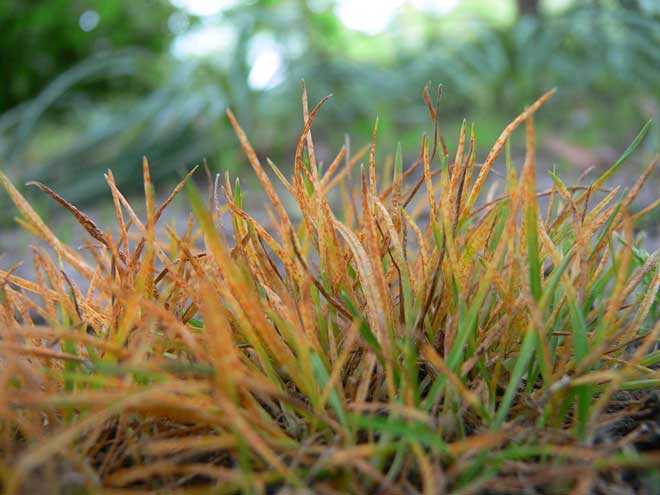
Lawn rust is caused by a group of fungi known as Pucciniales. These fungi thrive in warm, humid conditions. The most common signs of rust include:
- Orange or yellow spots on grass blades
- Grass blades that appear thin or stunted
- Dark spores on the leaf surface
Identifying rust early is key to effective treatment. The longer you wait, the worse the damage can become.
Causes of Lawn Rust
Several factors can contribute to the development of rust in your lawn. These causes include:
- High humidity and warm temperatures
- Over-fertilization, especially with nitrogen
- Poor air circulation in the lawn
- Inadequate sunlight due to shade from trees or structures
Addressing these factors can help prevent rust from taking hold in the first place.
Preventive Measures
Prevention is always better than treatment. Here are some effective preventive measures to keep rust at bay:
1. Choose the Right Grass Type
Selecting grass varieties that are resistant to rust is a smart move. Cool-season grasses like Kentucky bluegrass and tall fescue are more susceptible, while warm-season grasses like Bermuda grass show more resistance.
2. Optimize Watering Practices
Proper watering goes a long way in preventing rust. Make sure to water early in the morning to avoid prolonged moisture on grass blades. Aim for:
- Deep watering sessions
- Watering 1 to 2 times a week, depending on rainfall
3. Improve Air Circulation
Ensuring your lawn has good air circulation can prevent the humid conditions that fungi thrive in. Regularly mow your lawn to the appropriate height and trim shrubs or branches that may cause excessive shade.
4. Fertilize Wisely
Over-fertilizing can lead to excessive growth, making your lawn more susceptible to rust. Use a balanced fertilizer that meets your lawn’s needs and focus on applying it during the right seasons.
Treatment Options for Lawn Rust
If you find rust in your lawn, don’t worry. There are several treatment options available to help eliminate it.
1. Adjusting Lawn Care Practices
Changing how you care for your lawn can significantly reduce rust growth. Here are some practices to implement:
- Mow regularly, but avoid mowing too low
- Leave clippings on the lawn to recycle nutrients
- Aerate the lawn to improve soil compaction
2. Applying Fungicides
If rust persists, using a fungicide may be necessary. Look for products that specifically target rust. Follow the manufacturer’s instructions carefully to ensure effectiveness and safety.
3. Organic Solutions
For those who prefer a more natural approach, there are organic options:
- Neem oil: Known for its antifungal properties
- Baking soda: Mix with water and spray on affected areas
Organic treatments can be gentle on your lawn while still effective in treating rust.
Monitoring and Maintenance
After treating rust, it’s crucial to monitor your lawn closely for signs of improvement or re-emergence. Here are some maintenance tips:
1. Regular Inspections
Frequently inspect your lawn for any signs of rust returning. Early detection can make treatment much easier.
2. Maintain Proper Lawn Care Routines
Stick to the preventive measures discussed earlier. Keeping your lawn healthy will reduce the chances of rust coming back.
3. Adjust Care According to Seasonal Changes
Different seasons may require different care techniques. For example, during the cooler months, you may need to alter watering and fertilization schedules.
Understanding Lawn Rust’s Environmental Impact
Lawn rust doesn’t just affect your grass; it can have broader environmental implications. When grass is unhealthy, it can lead to soil erosion and reduced carbon absorption. Healthy lawns are essential for maintaining local ecosystems.
Rust in the lawn can be a pesky problem, but with the right knowledge and care, you can effectively manage and eliminate it. By understanding the causes and implementing preventive measures, coupled with treatment options, you can restore your lawn’s health and beauty. Regular monitoring and maintenance will help ensure your lawn remains rust-free. Make your lawn a vibrant and healthy landscape with these actionable steps!
How To Get Rid Of Rust Disease/Fungus In The Lawn
Frequently Asked Questions
What are the common signs of rust in the lawn?
Common signs of rust in the lawn include the presence of yellow or orange spots on grass blades, which can turn brown as the disease progresses. You may also notice a powdery or dusty substance on the grass that can be easily rubbed off. Affected areas often become thin and may die off if the rust is not addressed promptly.
What causes rust to develop in lawns?
Rust typically develops in lawns due to a combination of environmental factors and lawn care practices. High humidity, warm temperatures, and poor air circulation contribute to rust growth. Additionally, lawns that suffer from inadequate nitrogen levels or are stressed due to overwatering or drought can become more susceptible to rust.
How can I prevent rust from affecting my lawn?
To prevent rust in your lawn, maintain a healthy mowing height and avoid cutting the grass too short. Regularly fertilize your lawn with a balanced fertilizer to ensure proper nutrient levels. Promote good air circulation by aerating the soil and avoid watering late in the day, as wet grass during the night can create conditions favorable for rust to thrive.
What treatments are effective for eliminating rust from my lawn?
Effective treatments for eliminating rust include applying a fungicide specifically designed to combat lawn diseases. Additionally, regularly mowing and removing affected grass can help minimize the spread. Ensure the lawn receives adequate nutrition and water, as a healthy lawn is more resilient against rust.
Is rust in the lawn harmful to pets or children?
Rust itself is not harmful to pets or children. However, if you apply chemical treatments to address the rust, it’s essential to follow the label instructions and keep pets and children off the treated area until it is safe to return. Always prioritize safety when using any lawn care products.
Can I reseed my lawn if it has rust?
Yes, you can reseed your lawn even if it has rust, but it is crucial to address the rust issue first. Remove the affected grass and apply the necessary treatments before reseeding. This will help ensure that the new grass establishes well and is less likely to face rust problems in the future.
Final Thoughts
Regular maintenance and proper lawn care are essential for preventing rust in your lawn. Regular mowing, along with adequate watering and fertilization, helps maintain healthy grass that can resist rust diseases.
If you do notice signs of rust, consider applying fungicides or natural treatments to eliminate the problem. Additionally, improving air circulation and sunlight exposure can significantly reduce rust occurrences.
In summary, to address the issue effectively, follow these strategies on how to get rid of rust in the lawn. With consistent effort, you can achieve a lush, vibrant lawn free from rust.