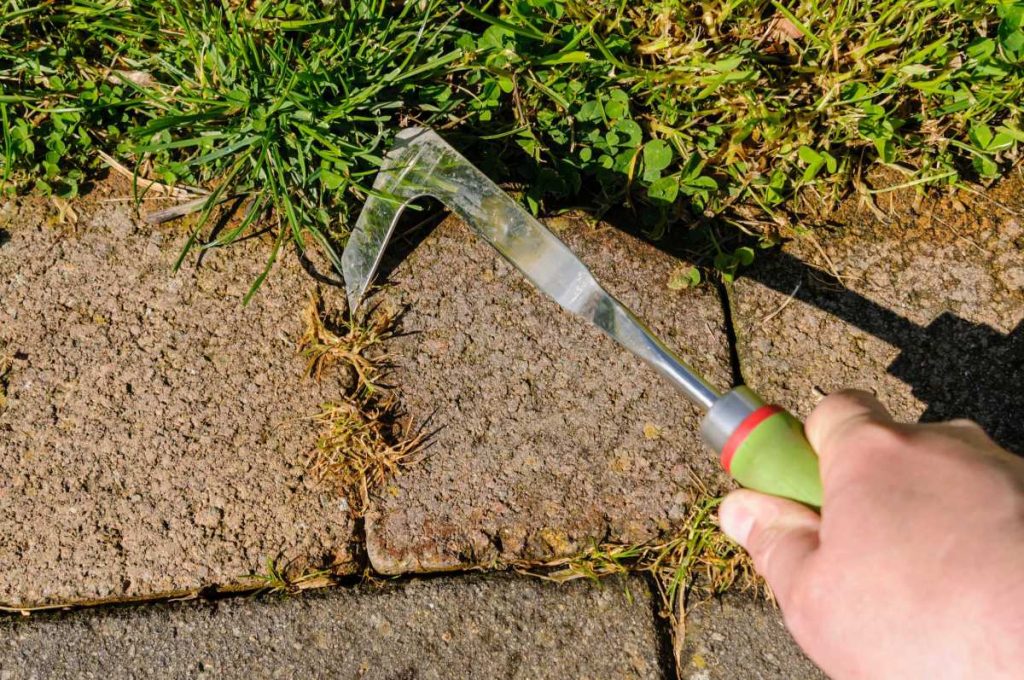
To effectively clean grass between pavers, start by removing loose debris, then use a combination of a weed killer or boiling water for stubborn weeds, and scrub with a stiff brush and a cleaning solution to lift dirt and moss. For persistent growth, a pressure washer can make the task much easier.
If grass or weeds are growing between your pavers, don’t worry—there’s a straightforward way to get rid of them and restore your patio’s neat appearance. In this guide, I’ll show you simple, effective techniques to clean and eliminate grass between pavers so your outdoor space looks well-maintained. Whether you want to do a quick fix or a thorough deep clean, these tips will help you keep your paved areas tidy and beautiful. With just a bit of effort and the right tools, you’ll have your pavers looking pristine in no time!

How to Clean Grass Between Pavers: A Complete Guide
Understanding Why Grass Grows Between Pavers
Grass often begins to grow between pavers due to soil, moisture, and sunlight reaching the gaps. Over time, weeds and grass can make your walkway look untidy and even cause damage to the paving structure. Identifying the root causes can help you prevent future growth and keep your paving looking its best.
Tools and Supplies Needed for Cleaning Grass Between Pavers
Before starting, gather the necessary tools and supplies:
- Garden trowel or hand rake
- Wire brush or stiff-bristled broom
- Pressure washer or garden hose with a spray nozzle
- Weed killer or natural weed control solutions
- Sand or polymeric sand
- Protective gloves and safety glasses
Having all these ready will make the cleaning process easier and more effective.
Preparation for Cleaning
Start by removing any loose debris such as leaves, dirt, or small stones from between the pavers. Use a leaf blower or a broom to clear the surface thoroughly. This step ensures that you can see where the grass is growing and work more precisely.
Manual Removal of Grass and Weeds
For small areas or light growth, manual removal is often best. Use a garden trowel or a hand rake to carefully dig out the grass roots. Be sure to remove the entire root system to prevent regrowth. Pulling weeds by hand can be effective but may require patience.
Applying Weed Killer or Natural Alternatives
For stubborn grass or weeds, applying a weed killer can help. Choose a commercial weed killer suitable for garden use, or opt for natural options like vinegar or boiling water. Spray or pour directly onto the grass, making sure to avoid surrounding plants and grass you want to keep.
Using Power Equipment for Larger Areas
If you have a large paved area with extensive grass growth, a pressure washer can be very effective. Use the pressure washer to remove debris and loosen the grass. Be cautious with the pressure level to avoid damaging the pavers or dislodging the joints.
Cleaning Between Pavers with a Wire Brush or Broom
Once the grass is removed, scrub between the pavers with a wire brush or stiff-bristled broom. This helps dislodge any remaining roots or dirt. Consistent brushing prevents new grass seeds from settling into the gaps.
Power Washing for Deep Cleaning
A pressure washer can also remove dirt and moss that may be holding grass roots in place. Use a high-pressure setting and a suitable tip to clean deep into the joints. Make sure to keep the nozzle at a safe distance to avoid damaging the pavers.
Refilling the Joints
After clearing and cleaning, consider refilling the gaps with sand or polymeric sand. This step discourages weed growth and stabilizes the pavers. Spread the sand over the joints and sweep gently to fill all gaps completely.
Sealing the Pavers to Prevent Future Growth
Applying a sealant designed for paving stones can create a barrier that prevents grass seeds from settling and germinating. Follow the manufacturer’s instructions carefully and ensure the surface is thoroughly dry before sealing.
Regular Maintenance for Long-Term Results
Consistent upkeep is key to preventing grass from returning. Regularly sweep and clean your paved surface, remove weeds promptly, and reseal every few years. These practices keep your pavers looking clean and ensure their longevity.
Tips for Preventing Grass Growth in the Future
Prevention is easier than removal. To stop grass from growing:
- Ensure proper drainage to avoid excess moisture
- Fill joints with polymeric sand to inhibit weed growth
- Limit sunlight in shaded areas to discourage grass seed germination
- Apply weed prevention solutions periodically
Environmental-Friendly Methods for Cleaning and Weed Control
Many natural solutions can be effective without using harsh chemicals:
- Vinegar mixed with water can kill grass and weeds
- Boiling water poured directly onto grass roots
- Using a natural weed control spray with organic ingredients
These methods are safe for the environment and your family while keeping your paving tidy.
Dealing with Persistent Grass Growth
If grass continues to grow despite removal efforts, consider replacing the joint material with polymeric sand or installing a weed barrier beneath the paving. This provides a long-term solution to prevent future growth.
Tips for Maintaining a Neat and Tidy Paved Area
Regularly inspect your paved surface for signs of new grass or weeds. Remove any growth immediately to prevent it from spreading. Keeping the area clean and well-maintained will save you time and effort in the long run.
Cleaning grass between pavers involves a combination of manual removal, chemical or natural weed control, and preventative measures. Regular maintenance, proper joint filling, and sealing help keep your paved surfaces looking neat and free of unwanted growth. By following these tips, you can enjoy a beautiful, tidy outdoor space that lasts for years.
Natural way to remove weeds from your paver patio! #homeownerhack #landscapingmaterials #yardlife
Frequently Asked Questions
What tools are effective for removing grass from between pavers?
Using a hoe or a flat-head screwdriver allows you to gently pry out grass and weeds lodged between the pavers. A stiff-bristled brush can also help scrub away stubborn roots. For tougher vegetation, a power washer with a focus spray can dislodge grass without damaging the pavers. Always be cautious to avoid disturbing the mortar or joints surrounding the pavers during cleaning.
How can I prevent grass from growing back between my pavers?
To keep grass from returning, apply a weed-preventive barrier or landscape fabric beneath the pavers during installation. Sealing the joints with polymeric sand or joint filler prevents weed seeds from settling and rooting. Regularly removing debris and monitoring the area helps catch new growth early before it becomes established.
Are there natural or environmentally friendly ways to clean grass between pavers?
Yes, you can pour boiling water over the grass to kill it naturally, which is safe for surrounding plants and the environment. Vinegar mixed with water (about 1 part vinegar to 2 parts water) works effectively to eliminate grass and weeds without harsh chemicals. Applying these solutions directly to the unwanted growth ensures minimal impact on the surrounding landscape.
Final Thoughts
To clean grass between pavers effectively, start by removing loose debris with a broom. Use a garden fork or a specialized tool to loosen the grass and soil. Apply a mixture of water and a mild cleaning solution to rinse away dirt.
For stubborn grass, use a weed killer or manually pull out the grass with tweezers. Regular maintenance prevents overgrowth and keeps your pavers looking neat.
How to clean grass between pavers becomes easier with consistent upkeep. Focus on removing grass and debris regularly to maintain a clean, tidy paved area.