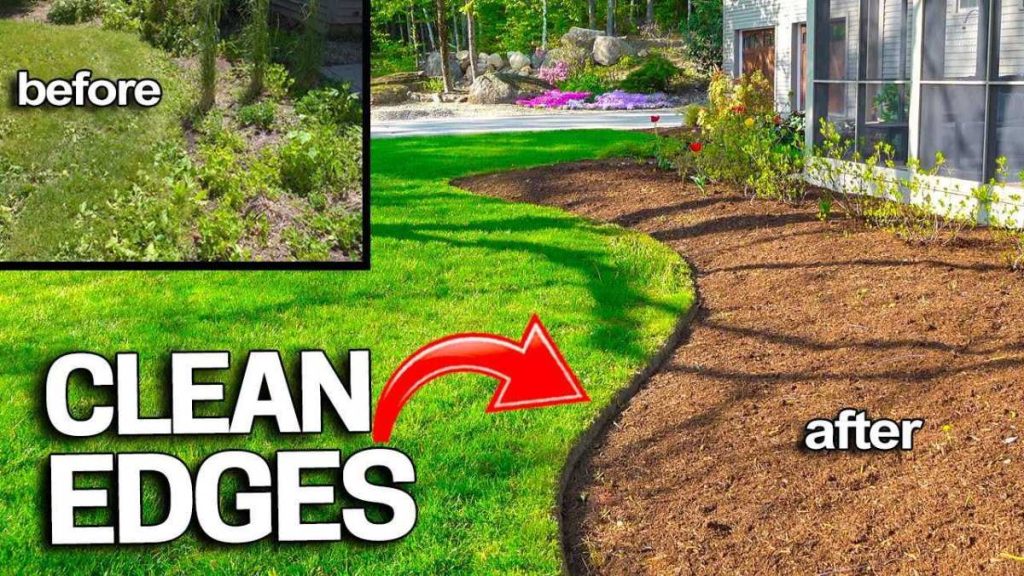
To clean up lawn edges effectively, use a combination of edging tools, manual trimming, and edging spray to achieve crisp, neat borders. Start by using a half-moon edger or edger tool to cut along the boundary, then tidy up any uneven spots with a garden shovel or edging knife. Finish by applying an edging spray for a sharp, clean line that lasts longer.
Maintaining well-defined lawn edges instantly transforms your yard, making it look tidy and professional. The trick is to use the right tools and techniques to keep your edges sharp and clean, whether you prefer manual trimming or powered equipment. Regular maintenance prevents overgrown grass from spilling into flower beds or walkways, giving your outdoor space a polished appearance and making gardening easier and more enjoyable. With a few simple steps, you can keep your lawn looking sharp and inviting all year round.

How to Clean Up Lawn Edges
Cleaning up lawn edges is an essential part of maintaining a neat and attractive yard. Proper edging creates a clear boundary between your grass and other surfaces like flower beds, pathways, or driveways. When done right, it makes your yard look well-kept and can even prevent grass from spreading into unwanted areas. In this section, we will explore various methods and tools to help you achieve clean, sharp edges for your lawn.
Understanding the Importance of Lawn Edging
Lawn edges define the shape of your yard and highlight your landscaping efforts. Well-maintained edges prevent grass from creeping onto sidewalks or flower beds, saving you time on trimming later. Edging also boosts curb appeal, making your home look more inviting and professionally cared for.
Tools Needed for Edging Your Lawn
Choosing the right tools simplifies the edging process. Here are common options:
- Manual Edging Tools: Hand-edgers or half-moon edgers are affordable and easy to use for small to medium yards.
- Power Edgers: Gas or electric-powered edgers are perfect for large lawns, saving time and effort.
- String Trimmers: Versatile and multipurpose, string trimmers can be used for edging along curves and tricky spots.
- Shovels and Spades: Useful for creating clean lines by removing excess soil or turf.
Step-by-Step Guide to Edging Your Lawn
Follow these steps to achieve professional-looking edges:
- Plan Your Edging Line: Use a garden hose or rope to outline the desired edge shape. This visual helps guide your work.
- Cut Away Excess Grass: Trim any overgrown grass that extends beyond the planned edge using scissors or a trimmer.
- Make Your First Cut: Use your chosen edger along the outline, maintaining a steady pace to create a clean line.
- Define Curves and Corners: Adjust your angle for curves or tight corners, ensuring smooth transitions.
- Remove Debris and Excess Soil: Clear away loosened turf and soil to keep the edge sharp and tidy.
- Mulch or Edge Finish: Consider adding mulch or stones along the edge for a professional look and added weed control.
Tips for Achieving Perfect Lawn Edges
Getting clean, crisp edges takes practice. Keep these tips in mind:
- Use a Guideline: Mark your edges with string or spray paint before cutting to ensure straight lines.
- Maintain Your Tools: Sharp blades and properly adjusted equipment produce cleaner cuts.
- Edge Regularly: Weekly edging prevents overgrowth and saves time in the long run.
- Work During Cooler Hours: Edging during early morning or late afternoon prevents mower or tool overheating.
Maintaining and Repairing Lawn Edges
Regular maintenance keeps your edges looking sharp. Here’s how:
Reshape Overgrown Edges
Over time, edges can become uneven or overgrown. Use your edger or a trowel to redefine the boundary, removing any encroaching grass or weeds.
Addressing Damage or Cracks
If your edging material cracks or shifts, replace or realign the affected sections. For concrete or stone edges, use appropriate adhesives or mortar for repairs.
Adding Edging Material for Longer-lasting Edges
Consider installing durable edging materials such as plastic, metal, or stone. These materials withstand weather and foot traffic better than natural turf edges.
Types of Lawn Edging Materials
Different materials serve different aesthetic and functional purposes. Here’s a quick overview:
| Material | Advantages | Best For |
|---|---|---|
| Plastic Edging | Affordable, easy to install, flexible for curves | DIY projects, flower beds |
| Metal Edging | Strong, durable, clean appearance | Driveways, large lawns |
| Stone or Brick | Elegant, long-lasting, customizable | Landscape borders and decorative features |
| Wood | Natural look, easy to work with | Informal garden borders |
Common Mistakes to Avoid When Cleaning Lawn Edges
Avoid these pitfalls to keep your yard looking its best:
- Over-Edging: Removing too much turf can harm the roots and create uneven lines.
- Using Dull Tools: Dull blades tear grass rather than cut cleanly, resulting in a ragged appearance.
- Inconsistent Maintenance: Neglecting regular edging leads to overgrowth and harder cleanup later.
- Ignoring Curves or Corners: Failing to follow natural shapes creates awkward or unnatural lines.
Additional Tips for a Perfect Finish
Enhance the look of your lawn edges with these finishing touches:
- Edge with Precision: Use a string line or chalk outline for accuracy.
- Trim Edges After Mowing: This keeps lines sharp and prevents grass from softening the edge.
- Prune Adjacent Plants: Keep shrubs and flowers pruned so they don’t obscure the edges.
- Edge in the Right Season: Spring and early summer are ideal for edging as grass growth is active and manageable.
Cleaning up lawn edges is a straightforward task that significantly improves your yard’s appearance. Using the right tools, following proper techniques, and maintaining your edges regularly will ensure your lawn stays sharp and tidy. Whether you prefer manual or powered tools, consistent effort leads to cleaner, more defined borders that boost your home’s curb appeal. Remember to choose the right edging material and avoid common mistakes for best results. Practice makes perfect, and with time, your lawn edges will look professionally finished every time.
How to Get Clean Edges in Your Lawn the Easy Way
Frequently Asked Questions
What tools are most effective for edging a lawn?
The best tools for edging your lawn include edging shears, a half-moon edger, or a string trimmer with an edging attachment. Use a sharp blade to create clean, precise lines and ensure the tools are well-maintained for smooth operation. Consider the size of your lawn and the type of edge you want to achieve to select the most suitable tool.
How can I ensure the edges stay neat over time?
Regular maintenance keeps your lawn edges looking tidy. Schedule edging sessions every few weeks, especially during active growing seasons. Keep your tools sharp, and remove any grass or weeds that begin to encroach on the edges. Proper watering and mowing practices also help maintain clean boundaries.
What is the best way to remove overgrown grass along the edges?
Start by using a weed trimmer or edging tool to trim back the overgrowth. For stubborn or deeply entrenched grass, consider using a small hand spade or a edging shovel to cut through the root zone. Be careful to follow the natural line of the border to create a uniform appearance and prevent damaging adjacent areas.
How do I create a natural-looking curve for my lawn edges?
To craft a natural curve, mark the desired line with a garden hose or a spray paint line first. Use a flexible edging tool or a garden spade to follow the marked curve, working slowly and steadily. Consistently check the shape as you work, making adjustments to maintain a flowing, organic look.
What maintenance tips can help me keep my lawn edges looking sharp after cleanup?
After cleaning up your edges, regularly trim to maintain their shape and prevent overgrowth. Use a fine-edged spade or edger to define the boundary, and weed along the edges to stop unwanted plants from taking over. Additionally, consider adding a border material like bricks or stones for extra structure and visual appeal.
Final Thoughts
To clean up lawn edges effectively, start by gathering the right tools like a edging shear or trimmer. Trim along the borders to create a clean, defined look. Remove any debris and overgrown grass to enhance the overall appearance. Regular maintenance keeps your lawn neat and reduces the need for frequent edging.
In conclusion, knowing how to clean up lawn edges ensures your yard looks tidy. Consistent edging creates a polished, professional appearance. Keep your lawn borders sharp and well-maintained for a beautiful outdoor space.