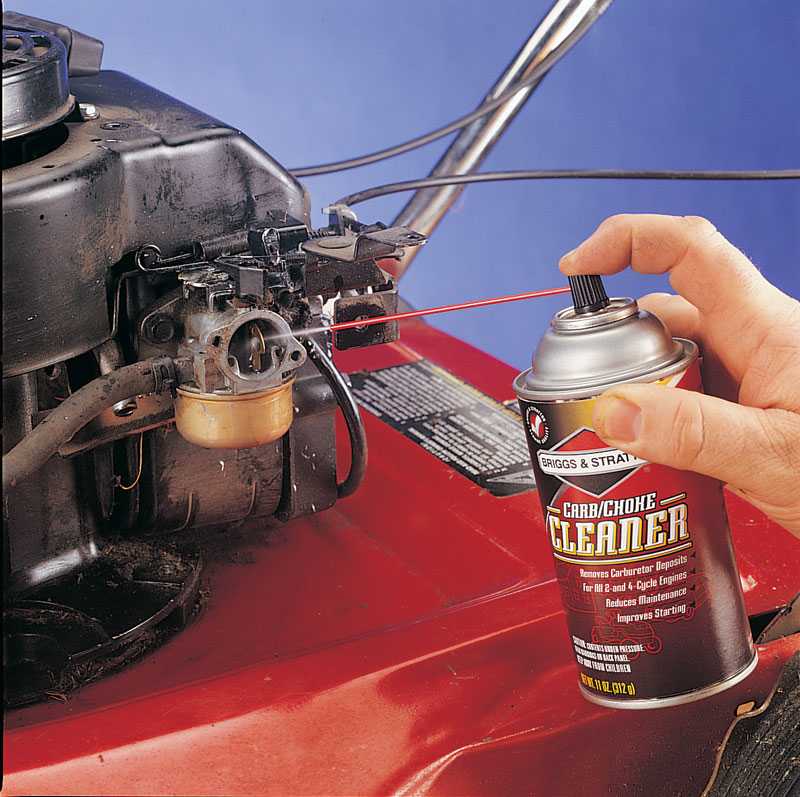
To clean a Briggs and Stratton lawn mower carburetor quickly, start by removing the carburetor from the mower, then disassemble it carefully. Use carburetor cleaner to spray all passages and components, and gently scrub away any debris or deposits. Reassemble and reinstall the carburetor, then test your mower for smooth operation.
Cleaning your Briggs and Stratton carburetor is simple and essential for keeping your lawn mower running efficiently. Over time, dirt, old fuel, and varnish can clog the small passages inside the carburetor, causing poor engine performance or starting issues. By removing and cleaning the carburetor regularly, you ensure proper fuel flow and engine health. This task involves taking off the carburetor, disassembling it to reach all the passages, cleaning with a specialized spray, and reassembling everything carefully. It’s a straightforward process that can save you time and money by avoiding the need for professional repairs and keeping your mower in top shape for each mowing season.

How to Clean a Lawn Mower Carburetor Briggs and Stratton
Cleaning the carburetor of your Briggs and Stratton lawn mower is crucial to keep it running smoothly. A dirty or clogged carburetor can cause engine problems like difficulty starting or inconsistent operation. This guide provides simple steps to clean your mower’s carburetor effectively and safely.
Understanding the Role of the Carburetor
The carburetor mixes air and fuel before sending it to the engine. Proper mixture ensures your lawn mower runs efficiently. Over time, dirt, old fuel, and debris can clog the carburetor, leading to poor engine performance. Regular cleaning prevents these issues and prolongs your mower’s lifespan.
Tools and Supplies Needed
Before starting the cleaning process, gather the following items:
- Socket wrench or screwdriver
- Carburetor cleaner spray
- Compressed air or air blower
- Clean rags or paper towels
- Small brush or toothbrush
- Replacement gaskets or seals (optional)
- Container for small parts
Preparing the Lawn Mower
Ensure the mower is turned off and cooled down. Disconnect the spark plug wire to prevent accidental startup. Drain any remaining fuel from the tank to avoid spills and leaks during cleaning. Position the mower on a flat surface for stability.
Removing the Carburetor from Your Briggs and Stratton Mower
Locate the carburetor, typically attached to the air filter and fuel lines. Use a socket wrench or screwdriver to remove mounting bolts. Carefully disconnect the fuel line and throttle linkage, making sure to keep track of all parts.
Place the removed parts in a container to prevent loss. Take photos during disassembly if needed to remember reassembly steps later. Handle small parts with care to avoid damage.
Inspecting the Carburetor
Check for visible signs of dirt, clogs, or damage. Look for a buildup of grime or debris inside the bowl or jet openings. If any parts appear damaged or excessively worn, consider replacing them with genuine Briggs and Stratton replacement parts.
Cleaning the Carburetor Components
Disassembling the Carburetor
Carefully remove the bowl and other removable parts. Use a screwdriver to detach the float, needle, and jets. Keep small parts organized for reassembly. Carefully examine each piece for clogs or corrosion.
Applying Carburetor Cleaner
Spray carburetor cleaner generously into all passages, jets, and chambers. Use the small brush to scrub away stubborn grime gently. Avoid damaging delicate parts or gaskets. Focus on removing deposits that hinder airflow or fuel flow.
Let the cleaner sit for a few minutes to loosen stubborn debris. Repeat the spraying and brushing if necessary. For hard-to-reach areas, compressed air works well to blow out dirt and obstructions.
Cleaning the Carburetor Body and Jets
Use compressed air to blow through all passages. Ensure no debris remains lodged in the jets or small openings. Be cautious not to damage delicate parts with excessive force. Wipe the exterior with a clean cloth to remove any residual grime.
Replacing Worn or Damaged Parts
If gaskets or seals are brittle, cracked, or deformed, replace them with new ones. Proper sealing prevents air leaks that could affect engine performance. Use genuine Briggs and Stratton parts for the best fit and function.
Reassembling the Carburetor
Carefully put the cleaned parts back together in the reverse order of removal. Double-check that all screws and fittings are tight but not over-tightened to avoid damage. Reinstall the carburetor onto the mower, reconnecting fuel lines and throttle linkages.
Refill the fuel tank with fresh fuel and reconnect the spark plug wire. Start the mower and observe its operation. If it runs smoothly, your cleaning was successful. If not, consider inspecting for additional issues or seeking professional help.
Preventative Maintenance Tips
- Use fresh fuel and add fuel stabilizer if storing the mower long-term
- Clean or replace the air filter regularly
- Inspect and clean the carburetor annually or after heavy use
- Store your mower in a dry, covered area to prevent moisture buildup
Additional Tips for Effective Carburetor Cleaning
Always follow safety precautions, such as wearing gloves and eye protection, when working with chemicals and small parts. Patience is key; take your time to ensure all debris is removed and parts are properly reassembled. Using quality tools and genuine replacement parts will result in better longevity and performance.
Summary of Key Steps
| Step | Action |
|---|---|
| 1 | Disconnect spark plug and drain fuel |
| 2 | Remove the carburetor carefully |
| 3 | Disassemble and inspect components |
| 4 | Spray and brush carburetor cleaner into all passages |
| 5 | Blow out passages with compressed air |
| 6 | Replace damaged parts or gaskets |
| 7 | Reassemble and reinstall the carburetor |
| 8 | Refill fuel, reconnect spark plug, and start the mower |
Maintaining a clean carburetor is essential for your Briggs and Stratton lawn mower’s optimal use. Regular cleaning and inspection help prevent engine problems and ensure a healthy, well-maintained mower. Follow these detailed steps for a successful clean that keeps your mower running smoothly season after season.
HOW TO CLEAN A CARBURETOR ON A BRIGGS & STRATTON 550EX ENGINE FOR BEGINNERS (Yard Machines Mowers)
Frequently Asked Questions
What are the signs that indicate my Briggs and Stratton lawn mower carburetor needs cleaning?
If your mower starts having difficulty starting, stalls frequently, or runs unevenly, these are common signs that the carburetor may be clogged or dirty. Additionally, if you notice poor engine performance, reduced power, or the engine is running rough despite regular maintenance, cleaning the carburetor can often resolve these issues.
What tools and materials are necessary to clean a Briggs and Stratton carburetor effectively?
You will need basic tools such as screwdrivers, needle-nose pliers, and maybe a wrench set. Carburetor cleaner spray is essential for removing dirt and varnish from parts. It’s also helpful to have a small brush, cleaning cloths, and a container to soak parts if necessary. Make sure to work in a well-ventilated area and wear gloves for safety.
How should I prepare my lawn mower before starting the cleaning process?
Before cleaning, disconnect the spark plug wire to prevent accidental starting. Remove the air filter and intake cover to access the carburetor easily. Drain any fuel from the tank to prevent spills and fire hazards. These steps will make the cleaning process smoother and safer.
What is the step-by-step process to clean the carburetor of my Briggs and Stratton mower?
Begin by removing the carburetor from the mower, taking care to note how it’s attached for reassembly. Disassemble the carburetor carefully, keeping track of small parts like jets and gaskets. Spray the carburetor cleaner onto all internal surfaces, jets, and passages, then scrub gently with a brush. Rinse with clean water or compressed air, dry thoroughly, and reassemble. Finally, reinstall the carburetor, reconnect the spark plug, and test the mower.
Are there any maintenance tips to prevent future carburetor clogs?
Regularly replace or clean the air filter to prevent dirt from entering the carburetor. Use fresh fuel and add fuel stabilizer if storing the mower for extended periods. Periodically inspect and clean the carburetor, especially after long storage. These practices help keep the carburetor functioning properly and extend its lifespan.
Final Thoughts
To clean a lawn mower carburetor Briggs and Stratton, start by removing the carburetor from the mower. Detach the float bowl and clean it thoroughly with carburetor cleaner. Use a brush to clear any debris from jets and passages. Reassemble the parts carefully.
Regular cleaning prevents engine issues and keeps the mower running smoothly. Follow these steps to maintain optimal performance. Knowing how to clean a lawn mower carburetor Briggs and Stratton helps you save time and money on repairs.