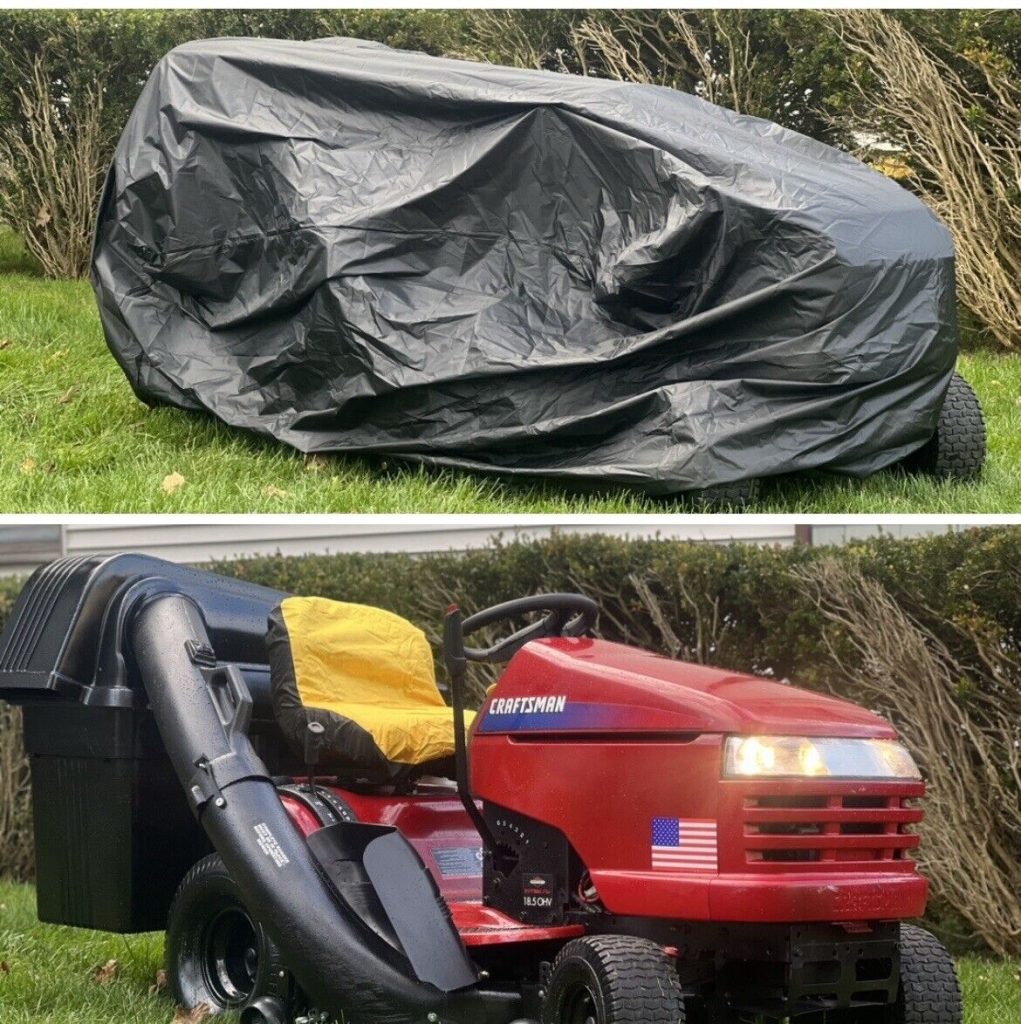
To avoid scalping grass on uneven terrain, adjust your mower deck height based on the terrain’s contours. Use a mower with larger wheels to help navigate bumps and dips more effectively.
Mowing uneven terrain can be challenging, especially when aiming for a clean, even cut. Scalping occurs when the mower blades cut too low, damaging the grass. This often happens on hills, slopes, or areas with dips. To maintain a healthy lawn, it’s crucial to adapt your mowing technique to the landscape.
Proper equipment and mowing strategies can prevent scalping while ensuring a tidy appearance. Understanding the terrain is key to achieving an even cut, promoting robust grass growth, and avoiding unsightly bald patches. Embracing these practices will help you maintain a lush, vibrant lawn all season long.
Credit: www.quad-x.com
Introduction To Scalping And Lawn Health
Scalping occurs when too much grass is cut off. This can harm your lawn’s health. Grass needs a certain height to grow strong.</strong Uneven terrain makes scalping more likely. Areas that are bumpy or hilly can lead to uneven cutting.
The impact of scalping can be serious. It exposes soil and roots to sunlight. This can dry out the grass and cause it to die. Grass plants may struggle to recover from scalping. Healthy grass should be green and thick.
Characteristics of uneven terrain include dips and slopes. These features make it hard for mowers to cut evenly. Understanding your lawn’s surface helps in maintaining grass health. Always check for high and low spots before mowing.
Essential Mowing Techniques
Adjust the mower height based on the terrain. Higher settings help prevent scalping. For uneven areas, a higher cut protects the grass. Check the mower’s manual for proper height settings.
Mowing in varied patterns helps maintain an even appearance. Change the direction each time you mow. This technique prevents ruts and keeps the grass healthy. Try to alternate between horizontal and vertical mowing.
Consider using a push mower or riding mower for better control. These options allow you to navigate uneven ground more effectively. Always be cautious of obstacles like rocks or tree roots.
Choosing The Right Equipment
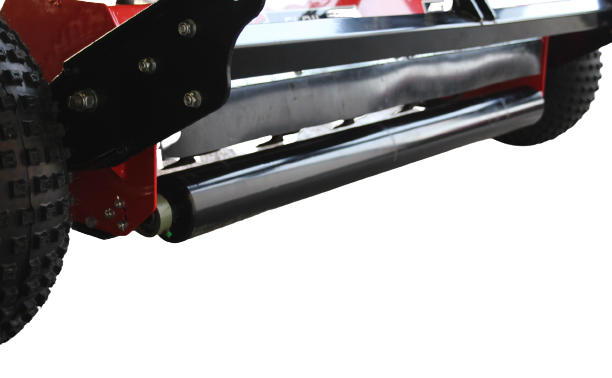
Using the right equipment is key to avoiding scalping grass. A float mower provides many benefits. It follows the ground’s contour, ensuring an even cut. This is especially helpful on uneven terrain.
Choosing the right mower blades also matters. Sharp blades cut grass cleanly without tearing. Heavy-duty blades work well for rough areas. They resist damage and last longer, giving a better mowing experience.
Using a float mower with proper blades can transform your lawn care. Enjoy a healthy lawn that looks great all year.

Credit: www.lawn-tech.co.uk
Lawn Preparation Strategies
Proper lawn preparation is key to avoiding scalping grass. Begin by leveling the ground. Use a rake to remove high spots and fill low areas. This helps create an even surface for grass growth.
Addressing lawn compaction is also essential. Compacted soil prevents roots from growing strong. Aerate the soil using a core aerator. This tool removes small plugs of soil, allowing air and nutrients to reach the roots.
Consider adding organic matter like compost. This improves soil structure and promotes healthy grass. Regularly maintain the lawn to keep it in good shape.
Proper Lawn Maintenance Routines
Regular lawn inspection helps catch problems early. Look for uneven spots and patches. Check for weeds and diseases during each inspection. This ensures your lawn stays healthy.
Proper fertilization and watering are key for a strong lawn. Use a balanced fertilizer to provide essential nutrients. Water deeply but less often for healthy roots. Avoid watering in the evening to prevent disease.
Always follow a consistent schedule for both tasks. Adjust practices based on the season and weather. This will promote a lush, green lawn free from scalping issues.
Mower Care And Adjustment
Regular mower maintenance is essential for optimal performance. Check the blades often. Sharp blades prevent scalping. Clean the mower after each use. Remove grass clippings and debris. This helps maintain efficiency.
Adjusting the mower’s height is crucial. Set the cutting height based on your terrain. For uneven ground, keep a higher setting. This avoids cutting too low. Check the tire pressure regularly. Proper tire pressure ensures even cutting.
| Maintenance Task | Frequency |
|---|---|
| Check Blades | Every Use |
| Clean Mower | Every Use |
| Adjust Cutting Height | As Needed |
| Check Tire Pressure | Weekly |
Advanced Mowing Techniques
Grass cycling is an excellent method for maintaining healthy lawns. It involves leaving grass clippings on the lawn after mowing. This practice returns nutrients to the soil and reduces waste. Aim to mow when the grass is dry. Wet grass clippings can clump together, leading to uneven cutting.
Choose the right time of day for mowing. Early morning or late afternoon works best. During these times, temperatures are cooler, and the grass is less stressed. Regular mowing at the correct height prevents scalping and promotes strong roots.
Adjust mower settings for uneven terrain. Set the blade higher to avoid cutting too low. This helps maintain grass health and appearance. Check your mower’s wheels and blades for proper function regularly.

Credit: gardenprofessors.com
Recovery Tips For Scalped Areas
Soil nutrient replenishment is key for healthy grass recovery. Start by testing the soil. This helps find out what nutrients are missing. Add organic matter like compost to improve soil quality. Regularly check pH levels for optimal growth.
For reseeding, choose a grass type that fits your area. Spread seeds evenly over the scalped spots. Water the area gently to help seeds settle. Overseeding involves spreading new seeds over existing grass. This helps fill in thin areas and promotes growth.
Both methods require consistent watering. Keep the soil moist, but not soggy. Using a mulch can protect seeds and retain moisture. Patience is needed as grass takes time to grow back.
Professional Advice And Services
Consulting a landscaping expert can save time and effort. They have the skills to assess your lawn.
Experts provide tailored advice for your specific terrain challenges. They can suggest the best tools and techniques.
Considering professional lawn care services can greatly improve your results. These services often include lawn leveling and maintenance.
Professionals understand how to avoid scalping grass on uneven surfaces. They will help you achieve a lush, healthy lawn.
Conclusion: Embracing The Terrain
Maintaining a healthy lawn on uneven terrain is crucial. Proper care helps prevent scalping. Regular mowing at the right height protects grass. It encourages deep roots and better overall health.
Using a mulching mower can help return nutrients to the soil. This practice promotes a lush, green lawn. Aerating the soil also improves water absorption. This leads to a more robust lawn that withstands stress.
Investing time in lawn care pays off in the long run. A well-maintained lawn enhances curb appeal. It provides a great space for outdoor activities. Enjoying a scalp-free lawn brings joy to everyone.
Frequently Asked Questions
How Can I Prevent Scalping Grass On Hills?
To prevent scalping grass on hills, mow at a higher height. This allows grass to maintain its health and resilience. Additionally, consider using a mower with adjustable cutting heights. Regular maintenance and proper mowing techniques can significantly reduce scalping issues on uneven terrain.
What Mower Settings Help Avoid Grass Scalping?
Using the right mower settings is crucial to avoid scalping. Set your mower blade to a higher cutting height. This ensures the grass stays healthy. Adjusting the mower speed can also help. Slower mowing on uneven areas reduces the risk of scalping significantly.
Is It Better To Mow When Grass Is Dry?
Yes, mowing when grass is dry is recommended. Wet grass can clump and lead to uneven cuts. This increases the chances of scalping, especially on uneven terrain. Mowing during dry conditions allows for a cleaner cut and promotes healthier grass growth.
How Often Should I Mow Uneven Lawns?
Mowing frequency for uneven lawns depends on grass growth. Generally, mowing every 5 to 7 days is ideal during peak growing seasons. This helps maintain optimal grass height and reduces the risk of scalping. Adjust based on weather conditions and grass type for best results.
Conclusion
Avoiding scalping grass on uneven terrain is essential for maintaining a healthy lawn. Use proper mowing techniques and tools designed for challenging landscapes. Regularly assess your yard’s condition to make necessary adjustments. By following these tips, you can achieve a lush, vibrant lawn that thrives despite the terrain’s challenges.