
Choosing the right blade for uneven lawns can make all the difference in achieving a clean, even cut. Whether you’re dealing with slopes, bumps, or low spots, the right mower blade ensures better visibility, smoother operation, and healthier grass. This guide walks you through everything from blade types to cutting height adjustments so your lawn stays lush and manageable.
Mowing an uneven lawn isn’t just about aesthetics—it’s about lawn health and safety. When your yard has slopes, depressions, or mounds, standard mowing techniques can lead to scalped grass, missed spots, or even mower damage. But with the right blade and proper technique, you can tame even the trickiest terrain. This guide will walk you through how to choose the right blade for uneven lawns so you get a clean, consistent cut every time.
Why Uneven Lawns Need Special Attention
Not all lawns are flat. Some have gentle slopes, others dramatic hills. Some have low spots where water collects, and others have raised mounds from soil erosion. These variations make mowing more challenging. A standard blade might struggle to reach all areas, leave clumps, or even get stuck. That’s why selecting the right blade for uneven lawns is essential. It ensures better visibility, reduces strain on your mower, and promotes even grass growth.
The goal isn’t just to cut grass—it’s to do so efficiently and gently. A well-chosen blade glides through uneven terrain, avoids scalping, and helps maintain lawn uniformity. Plus, the right blade reduces fuel consumption and extends mower life. In short, the blade you choose directly impacts how well your mower performs on challenging ground.
Key Takeaways
- Blade Type Matters: Choose between standard, mulching, or high-lift blades based on your lawn’s terrain and grass type.
- Cutting Height Adjustment: On uneven lawns, use a deck lift to raise the blade in low spots and avoid scalping.
- Blade Sharpness Is Key: Dull blades tear grass, which weakens turf and increases disease risk—keep blades sharp.
- Weight and Balance: Heavier blades handle rough terrain better but may reduce maneuverability on slopes.
- Regular Maintenance: Inspect blades monthly and balance them to prevent vibration and uneven cuts.
- Consider Mower Type: Robotic or self-propelled mowers often work better on hilly or uneven ground than push mowers.
- Grass Type Influences Choice: Thicker grasses like Bermuda may need high-lift blades, while fine fescues work well with standard blades.
Quick Answers to Common Questions
What type of blade is best for hilly lawns?
For hilly lawns, a high-lift blade paired with a self-propelled or robotic mower works best. The high-lift design improves suction and cutting power on slopes, while the mower’s traction keeps you safe.
Can I use a mulching blade on uneven ground?
Yes, but only if the terrain isn’t too steep or wet. Mulching blades work well on moderate slopes with dry, medium-length grass. Avoid them on very hilly or damp lawns to prevent clogging.
How often should I sharpen my mower blade?
Sharpen your blade every 20–30 hours of use or at least once per mowing season. Dull blades tear grass, which weakens turf and increases disease risk—especially on uneven lawns.
Should I mow uphill or downhill on a slope?
Always mow uphill for better control and safety. Mowing downhill increases the risk of tipping and makes it harder to manage the mower, especially on steep slopes.
Can I adjust the cutting height on an uneven lawn?
Yes! Use a deck lift to raise the blade in low spots and avoid scalping. Adjust the height gradually—start with small increases to prevent cutting too short.
📑 Table of Contents
Understanding Blade Types and Their Uses
Not all mower blades are created equal. The type of blade you use should match your lawn’s terrain, grass type, and mowing goals. Let’s break down the most common blade types and when to use them.
Standard Blades (3-Blade)
The standard 3-blade design is the most common and versatile option. It provides a clean, even cut and works well on flat or gently sloping lawns. These blades are ideal for fine fescue, Kentucky bluegrass, or other cool-season grasses. They’re also great if you prefer a traditional mulching or bagging setup.
On uneven lawns, standard blades can work—but only if you adjust the cutting height and mow slowly. For steep slopes, however, they may not provide enough lift to clear debris or cut efficiently.
Mulching Blades (2-Blade)
Mulching blades are wider and have a curved, airfoil shape. They chop grass into fine pieces and redistribute them as mulch. This is excellent for nutrient recycling and reducing bagging time. On uneven lawns, mulching blades can work well in moderate terrain—especially if you have thick grass.
However, on steep slopes or with wet grass, mulching blades can clog. They also require more power, which may strain smaller mowers. If your lawn has low spots where grass grows thick, a mulching blade might struggle to cut evenly.
High-Lift Blades (1- or 2-Blade)
High-lift blades are designed for tough conditions. Their aggressive shape creates more suction, pulling grass into the cutting deck for a cleaner cut. These are perfect for tall, thick grass or lawns with frequent clippings. On uneven lawns, high-lift blades shine in areas with dense growth or where visibility is poor.
They’re especially useful on slopes where grass might otherwise be missed. Just be cautious—too much lift can increase fuel use and wear on the mower. For hilly lawns, a high-lift blade paired with a self-propelled mower is often the best combo.
How to Adjust for Uneven Terrain
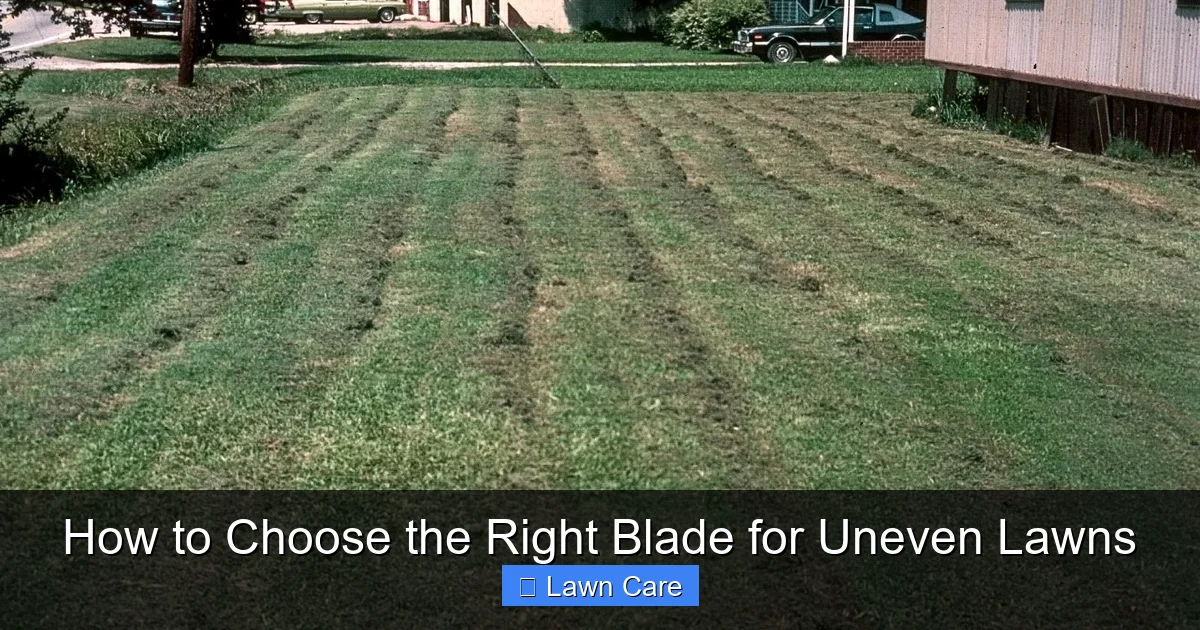
Visual guide about How to Choose the Right Blade for Uneven Lawns
Image source: extension.umd.edu
Even the best blade won’t perform well if your mower isn’t set up for uneven ground. Adjustments in cutting height, mowing pattern, and mower type can make a huge difference.
Use a Deck Lift or Height Adjustment
Most mowers allow you to adjust the blade height. On uneven lawns, you may need to raise the blade in low spots to avoid scalping. A deck lift lets you fine-tune the cutting height across the entire mower deck. This is especially helpful on hilly lawns where one side dips lower than the other.
For example, if your front edge is lower, raise the front of the deck slightly. This prevents the blade from dragging and cutting too short. Always check the mower manual for safe adjustment limits.
Choose the Right Mowing Pattern
Mowing patterns matter more on uneven lawns. Instead of always mowing in straight lines, try a diagonal or spiral pattern. This helps you navigate slopes more safely and ensures all areas are reached. On steep hills, mow across the slope, not up and down—this reduces the risk of tipping.
Also, mow when the grass is dry. Wet grass clumps more easily and can clog the deck, especially on uneven ground. Mowing dry grass gives the blade better access to all areas.
Consider a Self-Propelled or Robotic Mower
For very uneven or hilly lawns, a push mower may not be enough. Self-propelled mowers offer better traction and control on slopes. Robotic mowers are even better—they’re designed to handle terrain variations and can mow multiple times a week without fatigue.
If you have a steep backyard, investing in a robotic mower with slope handling (up to 25–30 degrees) is worth considering. These mowers often come with adjustable blades and smart navigation systems.
Blade Maintenance for Uneven Lawns

Visual guide about How to Choose the Right Blade for Uneven Lawns
Image source: rayhotec.com
A blade that’s sharp and balanced will perform better on uneven terrain. Dull or unbalanced blades can vibrate, skip spots, or even damage the mower.
Sharpen Blades Regularly
Dull blades tear grass instead of cutting it cleanly. Torn grass looks ragged and invites disease. For uneven lawns, where the blade may encounter rocks or debris, sharpness is even more important. Aim to sharpen your blade every 20–30 hours of use or at least once per season.
You can sharpen the blade yourself using a file or grinder. Always remove the spark plug first for safety. For riding mowers, consult a professional if you’re unsure.
Balance the Blade
An unbalanced blade causes vibration, which can lead to uneven cuts and mower damage. To balance your blade, use a blade balancer or a simple string method. Hang the blade by the center hole and see if it levels out. If one side dips, file it down slightly.
Balancing is especially important on uneven lawns, where vibration can worsen over time. A smooth, balanced cut means less strain on your mower and a healthier lawn.
Inspect for Damage
After mowing on rough terrain, check the blade for dents, cracks, or warping. Rocks and roots can damage the blade, affecting performance. Replace damaged blades immediately—don’t try to “fix” them with tape or welding.
Regular inspection also helps you catch wear early. A worn blade may look fine but won’t cut efficiently, especially on slopes.
Choosing the Right Blade Based on Grass Type
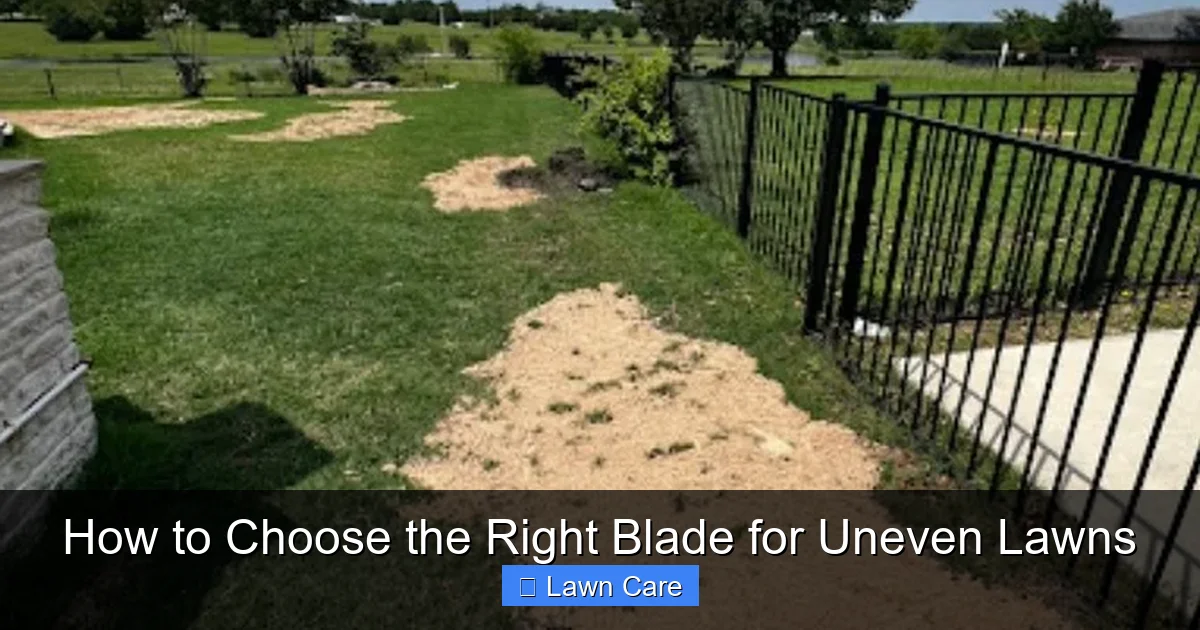
Visual guide about How to Choose the Right Blade for Uneven Lawns
Image source: accuratelawnleveling.com
Your grass type influences blade choice. Different grasses grow at different rates, densities, and heights—all of which affect how they respond to cutting.
Cool-Season Grasses (Bluegrass, Fescue)
Cool-season grasses like Kentucky bluegrass or fine fescue grow best in spring and fall. They’re fine-bladed and don’t require aggressive cutting. A standard 3-blade setup works well here. On uneven lawns, these grasses benefit from a clean cut that promotes even growth.
Avoid high-lift blades unless you have thick growth or tall grass. For best results, pair with a mower that allows height adjustment.
Warm-Season Grasses (Bermuda, Zoysia, St. Augustine)
Warm-season grasses grow faster in summer and are thicker. Bermuda, for example, can grow up to 12 inches tall. These need more aggressive blades to handle volume. A high-lift or mulching blade is ideal.
On uneven lawns with Bermuda, a high-lift blade ensures all grass is cut, even in low spots. Just remember to raise the cutting height slightly to avoid scalping on slopes.
Hybrid and Specialty Grasses
Some lawns use blends like tall fescue or ryegrass. These can vary in density and growth. A standard blade usually suffices, but if the blend is thick, consider a mulching blade.
For lawns with clover or low-growing mixes, a standard blade works well. Clover lawns, in particular, benefit from clean cuts that promote health and reduce weeds.
Common Mistakes to Avoid
Even experienced gardeners make mistakes when mowing uneven lawns. Here are the most common errors—and how to fix them.
Mowing Downhill
Mowing uphill is safer and more effective. Going downhill gives you less control and increases the risk of tipping. Always mow across slopes, not up or down.
Ignoring Blade Height
Using the same cutting height everywhere leads to scalping or missed spots. Adjust the deck lift based on terrain. For example, raise the height by 1/2 inch in low areas.
Using the Wrong Blade
Don’t force a standard blade on a steep, thick lawn. Match the blade to your terrain and grass type. If in doubt, start with a high-lift blade—it’s more forgiving.
Neglecting Maintenance
A dull or unbalanced blade ruins the mowing experience. Make blade maintenance a habit. Set a reminder to inspect and sharpen every few mowings.
Not Mowing Regularly
Uneven lawns need consistent mowing. Long grass clumps more and hides low spots. Aim to mow every 7–10 days during peak growth.
Final Tips for Success
Choosing the right blade for uneven lawns is just the start. Here’s how to keep your mowing routine smooth and effective.
– **Start with a Test Mow:** Try a new blade on a small section first. Observe how it cuts and adjust height if needed.
– **Keep the Deck Clean:** Clippings and debris reduce cutting efficiency. Clean the deck weekly.
– **Use a Lawn Leveling Guide:** If your lawn has severe unevenness, consider leveling it first. See our guide on How To Level Uneven Spots On Hilly Lawns For Better Mowing for tips.
– **Match Mower to Terrain:** For very hilly lawns, a robotic mower with slope handling is ideal.
– **Sharpen Before Each Season:** A fresh blade cuts better and lasts longer.
With the right blade and technique, even the most uneven lawn can look great. You’ll save time, fuel, and effort—and your grass will thank you.
Frequently Asked Questions
What is the best blade for steep slopes?
A high-lift blade is ideal for steep slopes because it creates more suction and pulls grass into the deck for a clean cut. Pair it with a self-propelled or robotic mower for safety and control.
How do I know if my blade is unbalanced?
An unbalanced blade causes vibration and uneven cuts. Hang it by the center hole using a string—if one side dips, file it down slightly. Regular balancing prevents mower damage.
Can I use a standard blade on uneven lawns?
Yes, but with limitations. Standard blades work best on gentle slopes and fine grasses. For steeper terrain or thick grass, consider a high-lift or mulching blade instead.
How high should I set the blade on a hilly lawn?
Set the blade 2.5 to 3 inches high for most grass types. On slopes, raise the front slightly if the edge is lower. Never cut below 1.5 inches to avoid scalping.
Should I mow wet grass on uneven lawns?
No. Wet grass clumps and clogs the deck, especially on uneven ground. Wait for dry conditions to mow safely and efficiently.
How does grass type affect blade choice?
Thick grasses like Bermuda need high-lift blades, while fine fescues work well with standard blades. Match the blade to your grass type for the best cut and lawn health.