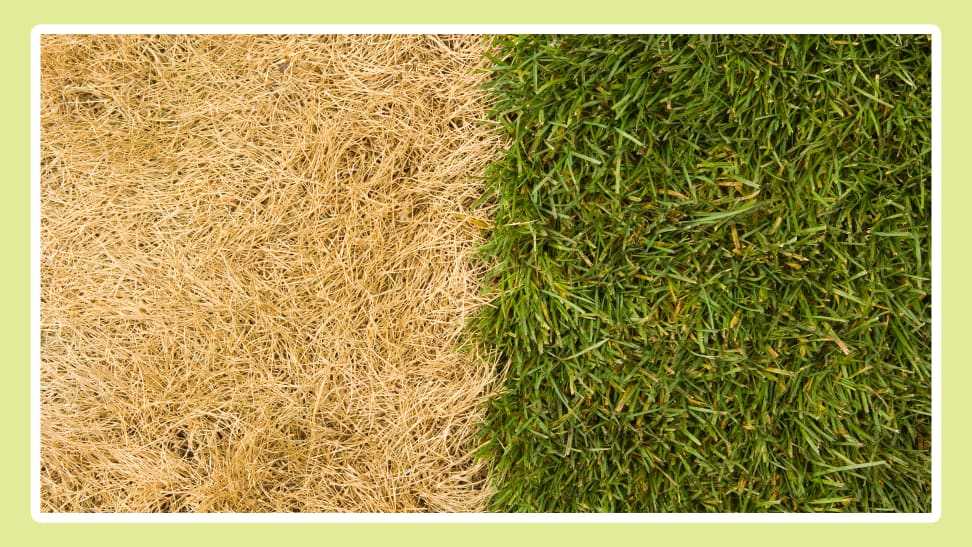
If your lawn has suffered from drought, reviving it is entirely possible with the right approach. Start by assessing the extent of the damage; if the grass is still alive, it can bounce back with some care. Watering deeply and infrequently encourages root growth, while aerating the soil can improve water and nutrient absorption. Applying a layer of compost helps enrich the soil, and overseeding can fill in bare patches. Fertilizing with a balanced product will also give your grass a boost. Time and patience are key, but soon you’ll be enjoying a lush green lawn once again.
After a drought, grass often appears brown and lifeless, but it can recover with proper care. The first step is to test your soil and understand its current health. Drought causes stress to grass, leading to shallow root systems and poor nutrient uptake. By implementing a consistent watering schedule, focusing on soil health, and using appropriate fertilizers, you can rejuvenate your lawn effectively. With a bit of effort and the right techniques, your grass will be back to its vibrant self in no time. Remember, recovery takes time, but the rewards of a green, lush lawn are well worth it!

“`html
How to Bring Back Grass After Drought
Drought can be tough on your lawn. When grass goes without water for an extended period, it may turn brown and lifeless. Thankfully, there are effective ways to help your lawn recover and thrive once more. In this article, we will explore the steps to revitalizing your grass after a drought, ensuring a healthy and vibrant lawn.
Understanding Your Grass Type
Before taking action to revive your lawn, it’s essential to know what type of grass you have. Different grasses have varying levels of drought resistance. Here are a few common types:
- Cool-season grasses: These thrive in northern climates and grow best in cooler temperatures.
- Warm-season grasses: These prefer hot weather and are common in southern regions.
- Perennial ryegrass: This type is quick to germinate and establish, making it popular in cooler areas.
Knowing your grass type helps you choose the right tactics for recovery.
Assessing Damage
After a drought, check the extent of the damage on your lawn. In some cases, grass may be dormant but still alive. You can test if the grass is still alive by doing a simple tug test:
– If the grass pulls away easily, it is dead.
– If it resists and shows green color beneath, it is likely dormant.
Identifying the grass’s state will inform your recovery strategy.
Watering Techniques
Once you know the condition of your grass, it’s time to water. Watering is a crucial element in revitalizing your grass. Here are some tips:
- Water early in the morning: This allows the grass to absorb moisture before the sun heats up.
- Water deeply and infrequently: Give your grass around 1 to 1.5 inches of water per week.
- Use a rain gauge: This will help you track how much water your lawn is receiving.
Proper watering can help your grass recover faster.
Fertilizing for Recovery
After a significant drought, your grass may need extra nutrients. Fertilizing helps encourage growth and repair. Here’s how to do it effectively:
– Choose a slow-release fertilizer, which provides a steady supply of nutrients.
– Apply fertilizer according to package directions; avoid over-fertilizing, which can harm your grass.
– Consider organic options like compost or manure for a natural boost.
Fertilizing at the right time can make a significant difference in your lawn’s recovery.
Overseeding Your Lawn
If your grass has suffered significant damage, overseeding may be necessary. This process involves planting new grass seeds over the existing lawn. Here’s a step-by-step guide:
1. **Choose the right seed**: Select a grass type that matches your existing lawn.
2. **Prepare the soil**: Rake lightly to remove debris and expose soil without damaging existing grass.
3. **Evenly spread the seeds**: Use a broadcast spreader for uniform distribution.
4. **Water gently**: Keep the soil consistently moist until the new grass establishes.
Overseeding helps fill bare spots and thickens your lawn.
Weed Control
Drought can lead to weed invasions, as they may thrive even in dry conditions. Controlling weeds is essential for your grass’s recovery. Here are effective strategies:
- Hand-pulling: For small infestations, pulling weeds by hand can be effective.
- Use mulch: Applying mulch can prevent weeds while retaining soil moisture.
- Apply herbicides: Use selective herbicides that target weeds without harming grass.
Keep your lawn weed-free for better growth.
Regular Maintenance Practices
Once your grass begins to recover, regular maintenance becomes vital. Here are key practices to follow:
– **Mowing**: Mow your lawn at the proper height for your grass type. This helps promote healthy growth.
– **Aeration**: Aerate your lawn annually to improve water absorption and nutrient uptake.
– **Mulching**: Employ mulch in planting beds to retain moisture and suppress weeds.
Consistent lawn care promotes resilience against future droughts.
Preventive Measures for Future Droughts
Taking steps to prevent drought damage in the future plays an essential role in lawn care. Consider these preventive measures:
- Choose drought-resistant grass varieties: Select grasses that are more adaptable to dry conditions.
- Install a rainwater collection system: This can provide extra water during dry spells.
- Practice xeriscaping: Incorporate drought-tolerant plants in your landscape design.
By being proactive, you can reduce the risk of severe damage during a drought.
Utilizing Technology for Lawn Care
Modern technology makes it easier to manage your lawn. Here are some tech tools that can help:
– **Smart irrigation systems**: These devices can water your lawn based on the weather forecast.
– **Soil moisture sensors**: They help you determine when your lawn needs water.
– **Lawn care apps**: These can provide tips and reminders for maintenance.
Leveraging technology can streamline your lawn care efforts.
Creating a Lawn Recovery Plan
To achieve long-lasting recovery, create a comprehensive lawn care plan. Consider these steps:
1. **Document lawn conditions**: Keep track of changes over time, noting progress and setbacks.
2. **Schedule regular maintenance**: Set a timeline for watering, mowing, and fertilizing activities.
3. **Evaluate and adjust**: Periodically assess your plan’s effectiveness and adjust as necessary.
Having a solid plan in place aids in the recovery process and long-term health of your lawn.
Consulting Professionals
If your lawn suffers extensive damage, consider seeking help from a professional. Lawn care experts can provide assistance tailored to your specific situation. Here are some benefits of consulting professionals:
– **Expert evaluation**: They can provide a thorough assessment and actionable steps.
– **Access to advanced treatments**: Professionals have access to products and techniques that may not be available to homeowners.
– **Time-saving**: Hiring experts frees you from the stress of DIY repairs.
Professional advice can take your lawn recovery to the next level.
In summary, bringing back your grass after a drought requires a combination of water, nutrients, and proper maintenance. By understanding your grass type, assessing damage, and implementing effective recovery strategies, you can restore your lawn to its former glory. With diligent care and proactive measures, your grass will not only survive but thrive in the face of future drought challenges.
“`
How To Revive Your Lawn After A Drought
Frequently Asked Questions
What steps should I take to prepare my lawn for regrowth after a drought?
Begin by assessing the damage to your lawn. Remove any dead grass, weeds, and debris. Aerate the soil to improve air circulation and water penetration. Consider testing the soil to determine nutrient deficiencies. Afterward, apply a starter fertilizer to provide essential nutrients for new growth.
How can I effectively rehydrate my grass after a long dry period?
Start by watering deeply and less frequently to encourage deep root growth. Aim for about one to two inches of water per week, adjusting based on rainfall. Use a soaker hose or sprinkler system to ensure even coverage. Water early in the morning to minimize evaporation and fungal diseases.
Is overseeding a good option for rejuvenating my lawn post-drought?
Yes, overseeding can be highly beneficial. Choose a drought-resistant grass seed variety suited for your climate. After preparation and aeration, spread the seeds evenly across the lawn. Water the area regularly to keep the soil moist until the new grass establishes itself.
What role does soil health play in reviving drought-damaged grass?
Soil health is critical for grass recovery. Healthy soil supports root growth and nutrient uptake. Consider adding organic matter like compost to enrich the soil. This improves water retention and provides essential nutrients, creating a better environment for grass regrowth.
When is the best time to start revitalizing my lawn after drought conditions?
The optimal time for reviving your lawn is during the growing season, typically in the early spring or early fall. Grass tends to recover more effectively when temperatures are mild, and there’s enough moisture in the air and soil. This timing allows for better establishment of new growth.
Final Thoughts
To bring back grass after drought, focus on proper watering techniques. Water deeply but less frequently to encourage strong root growth.
Consider reseeding bare patches with drought-resistant grass varieties. Adding organic mulch can help retain soil moisture and improve overall health.
Finally, be patient; it takes time for grass to recover. With these steps, you can successfully learn how to bring back grass after drought.