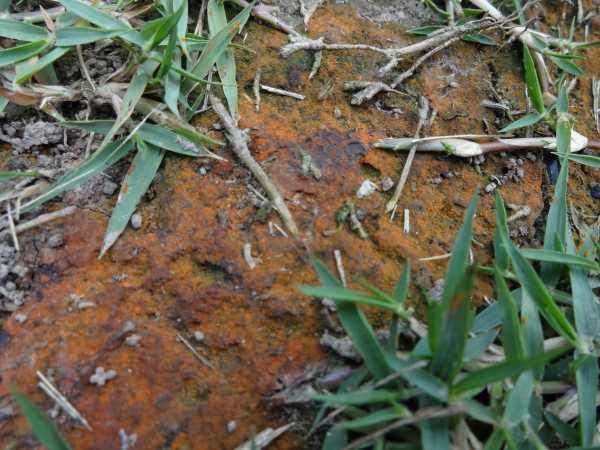
Lawn rust, while unsightly and concerning for many homeowners, is generally not harmful to humans. This common lawn disease, caused by various types of fungi, primarily affects grasses and can lead to a yellowish-brown appearance on your lawn. Although it may cause some irritation if you come into direct contact with infected grass, the risk of serious health issues is minimal. Most people can safely enjoy their gardens without fear of lawn rust posing a significant health threat. However, it’s essential to tackle the issue to maintain the health of your lawn and prevent its spread. Let’s explore lawn rust in more detail, including how to identify it and the best ways to manage and prevent it.

Is Lawn Rust Harmful to Humans?
Lawn rust is a common issue that many homeowners face. It is caused by a fungus known as Puccinia spp., and it typically appears as orange or rust-colored spots on grass blades. While lawn rust mostly affects the health of the grass, many people wonder, **”is lawn rust harmful to humans?”** In this article, we’ll dive deep into lawn rust, exploring its characteristics, effects on plants, and any potential risks to human health.
Understanding Lawn Rust
Lawn rust is a fungal disease that primarily affects cool-season grasses, such as Kentucky bluegrass and fescue. The disease is encouraged by warm temperatures, high humidity, and low nitrogen levels in the soil.
Many people first notice lawn rust when they see orange spores and experience an unusual amount of grass clippings while mowing. Healthy grass can resist rust, but stress from drought or improper care can leave grass vulnerable.
Symptoms of Lawn Rust
Recognizing lawn rust early can help in managing it effectively. Some common symptoms include:
- Rust-colored spots on grass blades
- Yellowing of leaves
- Stunted growth
- Increased shedding of grass clippings
These symptoms might lead to concerns about the impact of lawn rust on human health, especially when children or pets are playing in the affected areas.
How Lawn Rust Affects the Environment
Lawn rust primarily targets grass and does not have a direct impact on other plants. The disease can weaken the grass, making it less able to resist drought, pests, and other diseases. This can create an unhealthy environment in your yard.
Here are some environmental factors influenced by lawn rust:
- Decreased lawn quality
- Weakened grass roots
- Increased susceptibility to pest infestations
While these factors are concerning for the plants, the question remains about how this affects humans.
Is Lawn Rust Toxic to Humans?
The good news is that lawn rust is not considered toxic to humans. It does not produce harmful chemicals or toxins that can affect health. Unlike some fungi found in mushrooms or decaying plant matter, lawn rust is not harmful if touched. Most people can safely walk on or play in areas affected by lawn rust without concern.
Potential Allergic Reactions
Although lawn rust is not toxic, some people may experience mild allergic reactions after coming into contact with it. Symptoms could include:
- Skin irritation
- Itchy eyes
- Respiratory issues, especially for those with asthma or allergies
If you have a known sensitivity to fungi or mold, it’s wise to take precautions when handling the grass.
Prevention: Keeping Lawn Rust at Bay
Preventing lawn rust can help maintain a healthy lawn and reduce any potential concerns. Here are some effective strategies:
- Maintain proper nitrogen levels in your soil
- Ensure proper watering practices
- Mow regularly to keep grass healthy
- Aerate the lawn to improve airflow
By following these tips, you can create an environment that discourages lawn rust growth and promotes overall lawn health.
Treatment Options for Lawn Rust
If lawn rust has settled in your yard, treating it effectively can improve the situation. Here are some effective treatment options:
- Use fungicides specifically designed to combat lawn rust
- Increase nitrogen fertilization to strengthen grass
- Adjust your watering schedule to avoid drought stress
Regular maintenance and treatment can significantly improve grass health and reduce rust prevalence.
Addressing Common Myths About Lawn Rust
There are several myths surrounding lawn rust, which can lead to misconceptions. Let’s clarify some of these:
– **Myth:** Lawn rust can be transmitted to humans.
– **Fact:** Lawn rust is not contagious and does not affect human health.
– **Myth:** Lawn rust is caused by poor mowing practices.
– **Fact:** While proper mowing can help, lawn rust primarily results from environmental stressors.
– **Myth:** Lawn rust will kill your grass.
– **Fact:** Lawn rust weakens grass but typically does not kill it if managed properly.
Understanding these myths helps homeowners address their lawns more effectively.
The Role of Lawn Maintenance in Preventing Lawn Rust
Regular lawn maintenance is crucial in preventing lawn rust from taking hold. Simple tasks like mowing, watering, and fertilizing create a thriving lawn.
– **Mowing:** Keep your grass at the ideal height to promote healthy growth.
– **Watering:** Water your lawn deeply but less frequently, allowing roots to grow strong.
– **Fertilizing:** Use balanced fertilizers to provide essential nutrients.
Establishing a consistent lawn care routine can prevent rust from becoming a problem.
When to Call a Professional?
In some cases, lawn rust can be persistent or severe. If you find yourself struggling to manage it, calling a professional can save time and effort. Professionals often have access to stronger treatment options and can provide a tailored lawn care plan.
Before hiring a service, consider the following:
- Check reviews and testimonials
- Ask about their experience with lawn rust
- Inquire about their treatment methods
A knowledgeable professional can offer the expertise needed to restore your lawn’s health.
Lawn rust may be a nuisance for your grass, but it poses little threat to human health. By understanding the characteristics of lawn rust and practicing proper lawn care, you can keep your grass healthy and enjoy your outdoor space worry-free. Regular maintenance, treatment, and prevention are key to successful management.
Taking care of your lawn is not just about aesthetics; it plays a significant role in creating a welcoming environment for your family and friends. So, don’t let lawn rust hold you back from enjoying your yard!
Veterinarian reveals most toxic lawn chemical for pets
Frequently Asked Questions
What symptoms should I watch for if I come into contact with lawn rust?
If you come into contact with lawn rust, you may experience mild skin irritation, redness, or itchiness. In some cases, people with sensitive skin might develop a rash. If you notice any unusual symptoms after handling rust-infested grass, it’s best to wash the affected area with soap and water and monitor for further reactions.
Can lawn rust affect pets or other animals?
Lawn rust can potentially affect pets, mainly if they ingest or come into contact with it while playing on the grass. Symptoms in animals may include gastrointestinal upset or skin irritation. It’s important to keep an eye on your pets and consult a veterinarian if you notice any concerning symptoms.
What precautions can I take to avoid lawn rust exposure?
To minimize exposure to lawn rust, wear protective clothing such as gloves and long sleeves when handling grass or working in your yard. Regularly mowing and maintaining your lawn can also help reduce the likelihood of a significant rust outbreak.
Is lawn rust related to any specific types of grass?
Certain grass types are more prone to lawn rust, including perennial ryegrass and fescue. If you have these grass types in your lawn, be particularly vigilant about monitoring for signs of rust and take preventive measures to keep your lawn healthy.
How can I treat lawn rust if I find it in my yard?
Treating lawn rust involves improving the lawn’s overall health. Regular mowing, adequate watering, and ensuring proper sunlight can help. You can also use fungicides specifically designed for lawn rust. Always follow the manufacturer’s instructions and consider consulting a lawn care professional for severe infestations.
Are there any long-term effects of lawn rust on my health?
There are no known long-term health effects from lawn rust for most people. While some individuals may experience temporary irritation, it generally does not pose a significant health risk. If you have respiratory issues or allergies, consider taking precautions to avoid exposure during high pollen seasons.
Final Thoughts
Lawn rust, caused by fungal infections in grass, typically does not pose significant health risks to humans. While it can cause skin irritation in sensitive individuals when contacted, serious health concerns are rare.
Overall, lawn rust mainly affects your grass rather than your health. However, it’s wise to take precautions when handling infected lawns.
In summary, while lawn rust can be bothersome for your yard, is lawn rust harmful to humans? The answer is mostly no, making it a manageable issue for homeowners.