The best time to plant grass seed for a lush and healthy lawn is in the early fall or spring. Are you looking to transform your patchy or bare lawn into a vibrant carpet of green? Well, you’re in the right place! Planting grass seed at the optimal time is crucial for success. Whether you’re starting a new lawn or overseeding an existing one, timing is everything. By strategically planning your seed planting, you can maximize your chances of achieving a thick, luxurious lawn that will be the envy of your neighbors. In this article, we will delve into the details of the lawn’s best time to plant grass seed, providing you with all the information you need to achieve the lawn of your dreams. So, let’s get started and learn when to sow those grass seeds for optimal growth and vigor!

Lawn: Best Time to Plant Grass Seed
Planting grass seed is an essential step in achieving a lush and vibrant lawn. However, timing plays a crucial role in the success of this endeavor. The best time to plant grass seed depends on various factors, including the type of grass, climate, and region. In this article, we will explore the optimal times to sow grass seed, factors to consider, and tips for maximizing your lawn’s potential.
Finding the Perfect Season
The perfect season for planting grass seed depends on your location and climate. It’s important to understand the different seasons and their impact on grass growth. Let’s delve into the ideal times for seeding based on the four traditional seasons:
Spring
Spring is often considered the best time to plant grass seed in many regions. As temperatures rise and soil begins to warm, grass seeds have optimal conditions for germination and root development. Spring also provides ample rainfall, which helps keep the soil moist and aids seed establishment. However, it’s essential to ensure that the frost has passed in your area before starting the seeding process.
Advantages of spring seeding:
- Moderate temperatures encourage rapid germination.
- Adequate rainfall promotes healthy growth.
Disadvantages of spring seeding:
- Competition with weeds, which also thrive in the spring.
- Increased maintenance due to the need for regular watering and monitoring.
Summer
While spring is an ideal time to plant grass seed, certain warm-season grasses can be successfully established during the summer months. Warm-season grasses, such as Bermuda grass and Zoysia grass, thrive in hot climates and require warmer soil temperatures to germinate. Planting these grass seeds in summer ensures that they have the necessary warmth and longer days to establish roots.
Advantages of summer seeding:
- Warmer soil temperatures optimize germination and growth for warm-season grasses.
- Longer days provide more sunlight for photosynthesis.
Disadvantages of summer seeding:
- Higher water requirements due to hotter temperatures.
- Increased competition with weeds.
- Regular watering and monitoring are crucial.
Fall
Fall is often considered the best time to plant grass seed for various reasons. As temperatures cool down, moisture levels stabilize, and weed competition decreases, creating ideal conditions for grass seed germination and establishment. Additionally, warm soil temperatures, combined with cooler air temperatures, promote root growth and nutrient absorption.
Advantages of fall seeding:
- Reduced weed competition due to declining weed growth.
- Cooler temperatures enable the grass to establish roots before winter.
- Frequent rainfall reduces the need for constant watering.
Disadvantages of fall seeding:
- Delayed germination in cooler regions.
- Less time for grass to establish before winter in colder climates.
Winter
Winter may seem like an unlikely time to plant grass seed, but it can be a suitable option for certain regions and grass types. Cool-season grasses such as fescue and ryegrass can be overseeded during winter to maintain a green lawn throughout the colder months. Overseeding involves planting grass seed over an existing lawn, ensuring year-round greenery.
Advantages of winter overseeding:
- Maintains a green lawn during colder months.
- Reduces weed growth during winter dormancy.
Disadvantages of winter overseeding:
- Challenges in colder climates with freezing temperatures.
- Extra care required to ensure proper germination and establishment.
Considering Grass Types
When determining the best time to plant grass seed, it’s essential to consider the type of grass you plan to grow. Cool-season grasses, such as Kentucky bluegrass and fescue, thrive in regions with cold winters and mild summers. These grass types are best planted in spring or fall when temperatures are moderate, allowing optimal growth and establishment.
Warm-season grasses, including Bermuda grass and Zoysia grass, prefer warmer climates and should be planted in late spring or early summer. This timing ensures that the soil has warmed up, promoting successful germination and growth.
Preparation and Maintenance Tips
Successful grass seed establishment requires careful preparation and maintenance. Here are some essential tips to maximize your lawn’s potential:
Soil Preparation
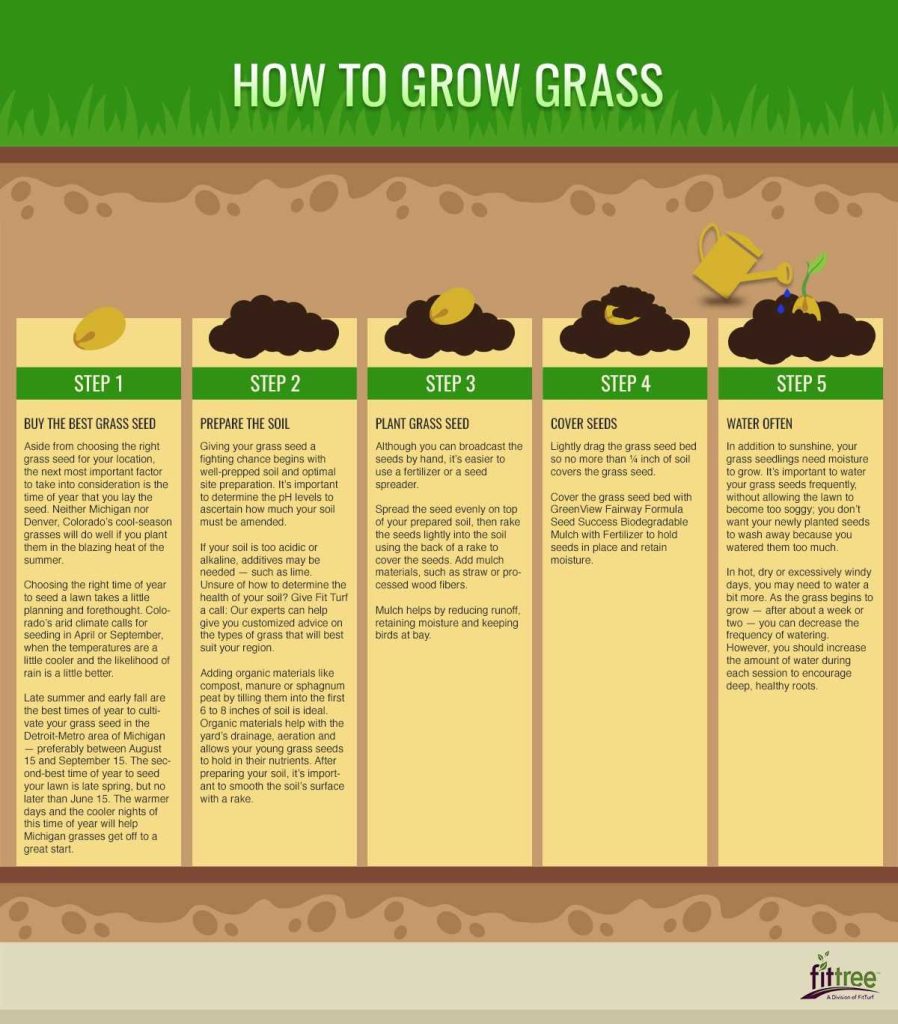
- Start by removing any existing vegetation, rocks, or debris from the area where you plan to plant grass seed.
- Loosen the top layer of soil using a rake or tiller to create a seedbed that promotes good seed-to-soil contact.
- Amend the soil with organic matter, such as compost, to improve its quality and provide essential nutrients.
Seed Selection
- Choose high-quality grass seed that is appropriate for your region and matches the desired characteristics of your lawn.
- Consider factors such as drought tolerance, disease resistance, and shade tolerance when selecting grass seed.
Seeding Techniques
- Evenly distribute the grass seed using a broadcast spreader or a handheld spreader.
- Apply half the seed in one direction and the other half perpendicular to ensure even coverage.
- Lightly rake the seeded area to incorporate the seeds into the topsoil without burying them too deeply.
Watering and Maintenance
- Water the seeded area frequently to keep the soil consistently moist, but avoid overwatering, which can lead to fungal diseases.
- Monitor the growth of your new grass and adjust the watering frequency accordingly.
- Avoid mowing the newly seeded area until the grass has reached a height of at least 3 inches.
- Regularly remove any weeds that may compete with the young grass for nutrients and sunlight.
By following these preparation and maintenance tips, you can significantly increase the chances of successful grass seed germination and establishment.
Choosing the best time to plant grass seed is crucial for establishing a healthy and vibrant lawn. By considering various factors such as season, grass type, and region, you can optimize the germination and growth of your grass seeds. Remember to prepare the soil adequately, select the right grass seed, and provide proper maintenance to ensure your lawn thrives throughout the year.
What is the Best Time to Plant Grass Seed? – Fall Lawn Tips | DoMyOwn.com
Frequently Asked Questions
What is the best time to plant grass seed for a new lawn?
The best time to plant grass seed for a new lawn is in the fall, specifically late summer to early fall. This period provides optimal conditions for seed germination and establishment.
Can grass seed be planted in the spring?
While spring is not the ideal time to plant grass seed, it can still be done. However, the success rate may be lower due to the warmer temperatures, increased weed competition, and the need for more frequent watering.
Is it possible to plant grass seed in the summer?
Planting grass seed in the summer is generally not recommended. The hot and dry conditions make it challenging for the seeds to germinate and establish properly. It’s best to wait for cooler temperatures in the fall.
Can I sow grass seed in the winter?
Planting grass seed in the winter is not recommended in regions with severe cold and frost. The freezing temperatures can hinder seed germination. It’s better to wait for the spring or early fall to achieve better results.
How long does it take for grass seed to grow into a full lawn?
The time it takes for grass seed to grow into a full lawn can vary depending on several factors, including the type of grass, weather conditions, and proper care. On average, it can take anywhere from 2 to 6 weeks for the grass to start sprouting, and several months to establish a lush, healthy lawn.
What steps should I take to ensure successful grass seed germination?
To ensure successful grass seed germination, it’s important to prepare the soil properly by removing debris, loosening the top layer, and addressing any drainage issues. After seeding, keep the soil consistently moist but not saturated, and avoid foot traffic on the newly seeded area. Additionally, applying a starter fertilizer and regular mowing once the grass reaches a suitable height can promote healthy growth.
Final Thoughts
The best time to plant grass seed for a lush and beautiful lawn is during the fall or early spring. These seasons provide the optimal conditions for the seeds to establish and grow strong roots. By planting grass seed during the recommended time, you will maximize the chances of success and have a healthier lawn with better resistance to drought and disease. Remember to prepare the soil properly, choose the right grass type for your region, and provide adequate watering and care. So, when it comes to the best time to plant grass seed, be sure to follow nature’s schedule for the best results.