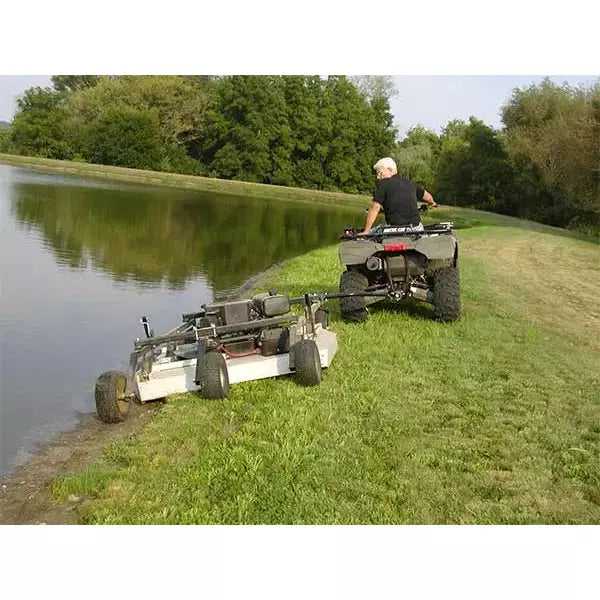
To prevent mower scalping on uneven ground, stay alert to changing terrain and adjust your mower height accordingly. Use a mower with a floating deck, mow slowly, and consider cutting in multiple passes to beat the terrain’s dips and bumps. These simple steps will keep your lawn looking even and healthy, no matter how bumpy the ground gets.
If you’re tired of jagged patches or scalped grass, the key is staying attentive and adapting your mowing technique. Adjust mower height based on the terrain, mow at a slower pace, and opt for equipment designed to handle uneven surfaces. These strategies help ensure a smooth cut and a beautiful lawn even on challenging ground.
Uneven ground can be a real challenge when it comes to mowing, often leading to scalped patches and uneven grass. But don’t worry—by paying close attention to your terrain and making some simple adjustments, you can avoid damaging your lawn and achieve a neat, consistent cut. When mowing on bumpy lawns, the trick is to work with the landscape rather than fight against it. Adjust your mower height so the blades don’t cut too low into dips, and consider using equipment with floating decks that adapt to the terrain. Mowing slowly gives you better control, and making multiple passes over tough spots prevents scalping. With a bit of care and the right technique, even the most uneven grounds can be mowed smoothly and beautifully.

How to avoid mower scalping on uneven ground
Understanding mower scalping and its causes
Mower scalping happens when the blades cut too low, revealing the soil underneath. It often occurs on uneven terrain where the mower cannot maintain a consistent height. The main causes include an improper mower setup, uneven ground surface, and cutting at the wrong height.
Importance of proper mower height adjustment
Setting your mower to the correct height is essential to prevent scalping. A mower that is too low can easily scalp the ground, especially on uneven patches. Always adjust the deck to the recommended height based on your grass type and terrain.
Checking the recommended cutting height
Different grasses require different cutting heights. For example, cool-season grasses like Kentucky bluegrass should be cut between 2.5 to 3.5 inches. Warm-season grasses such as Bermuda grass prefer 1.5 to 2.5 inches. Consult your grass type guidelines before mowing.
How to adjust your mower deck correctly
Most mowers have height adjustment levers or knobs. To set the correct height, ensure all wheels are at the same level. Lower the deck until it just barely touches the ground, then raise slightly to avoid scalping while still cutting effectively.
Using the right mowing equipment for uneven terrain
Having the correct mower is crucial for uneven ground. Zero-turn mowers, lawn tractors, and riding mowers often have adjustable decks and better stability on rough surfaces. Consider equipment with features tailored to uneven terrain.
Features to look for in a mower for uneven ground
Look for models with large, sturdy tires for increased stability. Adjustable cutting decks with multiple height settings allow better adaptation. Consider mowers with floating decks that follow ground contours smoothly.
Why walk-behind mowers might not be ideal
Push mowers are less effective on uneven surfaces because maintaining consistent height is difficult. They can result in uneven cuts and scalping, especially on bumpy lawns.
Techniques for mowing on uneven ground
Adopt mowing techniques that accommodate terrain variations. Moving in multiple directions and adjusting your path can help prevent scalping.
Crosshatch mowing pattern
Mow in one direction first, then re-mow at a different angle. This method ensures a more uniform cut and reduces the chances of scalping on uneven patches.
Adjusting your mowing speed
Mow slower on uneven ground to maintain control and prevent the mower from bouncing. A steady pace allows for a more even cut and minimizes scalp damage.
Pre-mowing ground preparation
Before mowing, inspect and prepare your lawn to reduce terrain issues. Proper preparation can make mowing safer and more effective.
Filling in low spots and depressions
Use soil or lawn filler to level out low areas. Filling depressions prevents the mower from dropping too low and scalping the soil.
Removing debris and obstacles
Clear sticks, stones, and weeds from your lawn to avoid interference with the mower blades. Obstacles can cause uneven cutting and damage to the mower.
Maintaining your mower for optimal performance
Regular mower maintenance ensures it functions correctly, reducing scalping risks.
Sharpening blades regularly
Dull blades tear the grass instead of cut, leading to uneven and scalped lawns. Sharpen blades at least once a season or as needed.
Checking and adjusting tire pressure
Proper tire pressure enhances mower stability and control. Under-inflated tires can cause uneven cutting, while over-inflated tires reduce grip.
Utilizing mowing accessories and add-ons
Additional tools can help navigate challenging terrain.
Using wheel balancers and stabilizers
These accessories improve mower balance, ensuring consistent height and reducing scalping on uneven ground.
Implementing grass catchers and mulchers
While primarily for collection and mulching, some models help stabilize mower performance across bumpy surfaces.
Safety tips and best practices
Always prioritize safety when adjusting and operating your mower on uneven terrain.
Wearing protective gear
Wear sturdy footwear, gloves, and eye protection. Uneven ground can cause slips or debris ejection.
Regularly inspecting the mower during mowing
Pause periodically to check for blade alignment, tire pressure, and deck height. This prevents unintended scalping.
Additional tips for maintaining a healthy, even lawn
Maintaining your lawn can reduce terrain issues over time.
Consistent watering and fertilizing
Proper watering and fertilization promote healthy, uniform grass that is easier to mow evenly.
Regular lawn aeration and dethatching
Aerating loosens soil compacted areas, and dethatching removes excess build-up, creating a smoother surface for mowing.
Avoiding mower scalping on uneven ground involves a combination of proper equipment, correct adjustments, and mowing techniques. Regular lawn maintenance and careful planning can significantly improve mowing results, leaving your lawn healthy and attractive. Keep these tips in mind, and you’ll enjoy a beautifully cut, scalped-free yard regardless of terrain challenges.
BEFORE Leveling Your Riding Mower: Check These 2 Simple Tips
Frequently Asked Questions
How can adjusting the mower’s cutting height help prevent scalping on uneven terrain?
Raising the mower’s cutting height reduces the likelihood of the blades digging into high spots or low areas. By setting the blades slightly higher, you prevent the deck from hitting uneven ground, which minimizes scalping and results in a more even cut across challenging sections of your lawn.
What role does mower wheel positioning play in avoiding scalp marks?
Ensuring that all mower wheels are at the same height allows the deck to stay level, preventing certain sections from being cut too low. Regularly checking and adjusting wheel heights keeps the mower balanced, which helps maintain an even cut on irregular ground.
How can mowing in different directions reduce the risk of scalp marks?
Switching mowing directions each session prevents the mower from creating consistent patterns that highlight uneven spots. Mowing in varied directions also helps cut grass more evenly, especially on uneven terrain, reducing the chance of scalp marks forming over time.
Why is it important to go slow when mowing on uneven ground?
Mowing at a slower pace gives the mower better control and allows the blades to navigate uneven sections more smoothly. Moving slowly reduces the impact on high and low areas, which helps keep the deck level and prevents scalp marks from developing.
How can using a mower with adjustable deck height assist in managing uneven terrain?
An adjustable deck height feature allows you to customize the cutting height based on the terrain’s condition. Lowering the deck on flat areas and raising it on slopes or irregular patches helps avoid scalping and ensures a consistent, clean cut across the entire lawn.
Final Thoughts
To avoid mower scalping on uneven ground, adjust your mower deck to suit the terrain. Regularly check the height and make necessary changes before mowing. Use a mower with adjustable wheels for better control on challenging surfaces. Stay attentive and slow down on tricky patches to prevent damaging the grass and the mower. Following these tips helps maintain a healthy lawn while preventing mower scalping on uneven ground.