Aerating your Tiftuf Bermudagrass lawn is key to its health and beauty. This process relieves soil compaction, allowing essential air, water, and nutrients to reach the roots. Learn the best times and methods to aerate for a thriving, vibrant Tiftuf lawn.
Having a Tiftuf Bermudagrass lawn is a dream for many homeowners. Known for its density, durability, and beautiful deep green color, Tiftuf is a top-tier choice for warm-season lawns. But even the toughest grass needs a little help to thrive, and one of the most beneficial things you can do for your Tiftuf is to aerate it. You might be wondering, “Why would my Tiftuf need aerating? Isn’t it tough enough?” While Tiftuf is resilient, it’s not immune to the common enemy of all lawns: soil compaction.
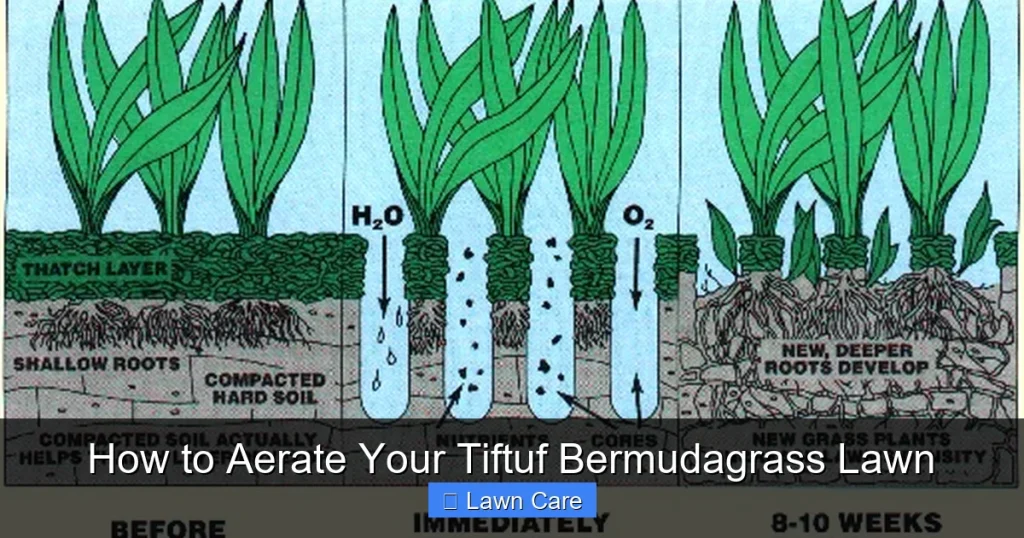
Over time, foot traffic, heavy equipment, and even the natural accumulation of thatch can press the soil particles in your lawn closer together. This makes it hard for air, water, and nutrients to penetrate down to the grass roots. Think of it like trying to breathe with a heavy blanket thrown over your face – not very effective! Aeration is the process of creating small openings in the soil to alleviate this compaction, allowing your Tiftuf to breathe and drink deeply, leading to a healthier, more vibrant lawn.
This article will guide you through the essential steps of aerating your Tiftuf Bermudagrass lawn. We’ll cover why it’s so important, when the ideal time is to do it, the different methods available, how to prepare your lawn, and what to do after aerating to ensure your Tiftuf bounces back stronger than ever.
- Understand Soil Compaction: Tiftuf Bermudagrass, while tough, can suffer from compacted soil, hindering root growth and nutrient uptake.
- Timing is Crucial: The best time to aerate Tiftuf is during its active growing season, typically late spring through summer, when it can recover quickly.
- Choose the Right Aeration Method: Core aeration is generally recommended for Tiftuf, as it pulls out plugs of soil, offering the best results for breaking up compaction.
- Prepare Your Lawn: Mow your lawn a day or two before aerating and ensure it’s slightly moist, but not waterlogged, to ease the process.
- Proper Aeration Technique: Overlap passes slightly to ensure uniform treatment, and leave the soil cores on the lawn to break down and return nutrients.
- Post-Aeration Care: Water your lawn lightly after aerating, and consider overseeding if bare patches appear. Avoid heavy traffic and mowing until the lawn recovers.
- Regular Aeration Benefits: Consistent aeration promotes deeper root systems, improved drainage, increased thatch decomposition, and overall better turf health for your Tiftuf Bermudagrass.
Quick Answers to Common Questions
When is the best time of year to aerate Tiftuf Bermudagrass?
The best time to aerate Tiftuf Bermudagrass is during its active growing season, which is typically from late spring through the summer months. This allows the grass to recover quickly from the process.
What type of aerator is best for Tiftuf Bermudagrass?
Core aeration is the most recommended method for Tiftuf Bermudagrass. It uses a machine to punch out soil plugs, effectively relieving compaction and improving soil structure.
Should I water my lawn before aerating?
Yes, it’s beneficial to water your lawn a day or two before aerating. The soil should be moist but not waterlogged, making it easier for the aerator to penetrate and pull out effective plugs.
What should I do with the soil cores after aerating?
Leave the soil cores on the surface of your lawn. They will naturally break down over a few days, returning valuable nutrients and organic matter to the soil and helping to improve its structure.
How often should I aerate my Tiftuf Bermudagrass lawn?
For most Tiftuf lawns, aerating once a year is sufficient. However, if you have heavy foot traffic or notice significant compaction, you might consider aerating twice a year, during the peak growing seasons.
📑 Table of Contents
Why Aerate Your Tiftuf Bermudagrass Lawn?
Before we dive into the “how,” let’s quickly touch on the “why.” Aeration isn’t just another chore; it’s a vital practice for maintaining the health and longevity of your Tiftuf lawn. Compacted soil is the silent killer of a beautiful lawn, and Tiftuf is no exception. When soil becomes compacted, it restricts root growth, making your grass more susceptible to drought stress and disease.
Combating Soil Compaction
The primary reason to aerate is to break up compacted soil. Think of your soil as a sponge. When it’s compacted, the pores are squeezed shut, and it can’t absorb water effectively. Aeration creates channels that allow water to seep down to the root zone. This is especially important for Tiftuf, which has a deep root system when conditions are right.
Improving Nutrient and Water Penetration
When soil is compacted, fertilizer and water tend to run off the surface rather than being absorbed. Aeration opens up the soil, allowing these essential elements to reach the roots where they are needed most. This means you’ll get more bang for your buck with your fertilizers and watering efforts.
Enhancing Air Circulation
Roots, just like the rest of the plant, need oxygen to survive and grow. Compacted soil drastically reduces the amount of air available to the roots. Aerating your lawn allows oxygen to penetrate the soil, promoting healthy root respiration and growth.
Reducing Thatch Buildup
Thatch is a layer of dead and living grass stems, roots, and other organic matter that accumulates on the soil surface. A thin layer is normal and can even be beneficial, but excessive thatch can act like a barrier, preventing water and nutrients from reaching the soil. Aeration helps to break down this thatch layer by allowing beneficial microorganisms to work more effectively and by incorporating some of the thatch back into the soil.
Encouraging Deeper Root Growth
When roots can’t penetrate compacted soil, they tend to stay shallow. Shallow roots make your lawn vulnerable to drought and heat. Aeration encourages Tiftuf to develop a deeper, more robust root system, making it more resilient.
When is the Best Time to Aerate Tiftuf Bermudagrass?
Visual guide about How to Aerate Your Tiftuf Bermudagrass Lawn
Image source: baileys-landscaping.com
Timing is everything when it comes to lawn care, and aeration is no different. For warm-season grasses like Tiftuf Bermudagrass, the optimal time to aerate is during their peak growing season when they can recover quickly from the process.
The Active Growing Season
The prime time to aerate Tiftuf is from late spring through the summer months. This is when Tiftuf is actively growing and has the energy to heal any disturbance caused by aeration. Aerating during this period ensures that the grass will fill in any bare spots quickly and that the benefits of aeration are maximized.
Avoid Aerating During Dormancy
It’s crucial to avoid aerating Tiftuf when it’s dormant. This typically occurs in the cooler months of fall and winter. If you aerate a dormant lawn, you’re creating openings in the soil that can lead to moisture loss and allow winter weeds to establish themselves. Furthermore, the grass won’t have the vigor to recover, potentially leaving unsightly bare patches.
Consider Soil Moisture
Ideally, the soil should be moist but not waterlogged when you aerate. If the soil is too dry, it will be difficult to push the aerator into the ground and pull out effective plugs. If it’s too wet, the soil can be torn rather than cleanly opened, and the soil cores might not break apart properly. A good rule of thumb is to water your lawn a day or two before aerating, allowing the moisture to penetrate a few inches.
Signs Your Lawn Needs Aeration
If you’re unsure about the right time, look for signs that your Tiftuf needs aeration. These include:
- Water pooling on the surface after rain or watering.
- Your lawn feeling spongy or springy underfoot.
- Grass blades looking thin or weak.
- Difficulty pushing a screwdriver or a similar sharp object into the soil.
- A noticeable thatch layer thicker than 1/2 inch.
Learning how to tell if your lawn really needs aerating can save you from unnecessary work and ensure you’re addressing a real need.
Choosing the Right Aeration Method for Tiftuf
There are a few ways to aerate your lawn, but for Tiftuf Bermudagrass, some methods are more effective than others. The goal is to relieve compaction and allow for maximum soil exchange.
Core Aeration (Most Recommended)
Core aeration is the gold standard for Tiftuf. This method uses a machine (either rented or purchased) that punches out small, cylindrical plugs of soil from the lawn. These plugs are then left on the surface to break down naturally, returning nutrients to the soil and improving its structure.
- Benefits: Core aeration effectively relieves deep compaction, creates the most open channels for air and water, and incorporates organic matter back into the soil as the cores decompose.
- Equipment: You can rent a core aerator from most garden or tool rental centers. For larger properties or frequent use, investing in a walk-behind or tow-behind aerator might be worthwhile.
If you have a severely compacted lawn, core aeration is your best bet. You can also aerate compacted lawn with a garden fork as a more manual, less intensive option for smaller areas or milder compaction, but it won’t be as effective as a machine.
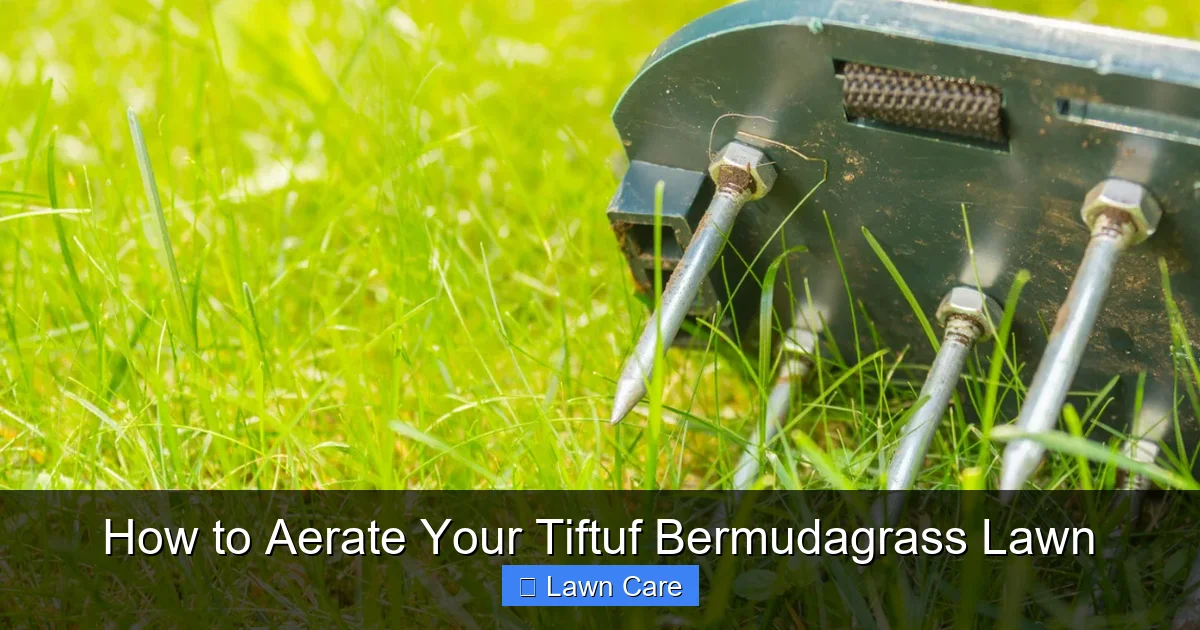
Spike Aeration
Spike aeration involves using spikes to poke holes into the soil. While this might seem effective, it can sometimes compact the soil further around the holes, especially if done repeatedly.
Water/Hollow Tine Aeration
This is a variation of core aeration where hollow tines are used. It’s very effective for golf courses and athletic fields but is generally not necessary for a typical residential Tiftuf lawn.
For Tiftuf Bermudagrass, stick with core aeration for the best results. It provides the most significant benefit in terms of relieving compaction and improving the soil environment for your grass.
How to Aerate Your Tiftuf Bermudagrass Lawn: A Step-by-Step Guide
Now that you know why and when to aerate, let’s get to the actual process. Aerating your Tiftuf lawn might seem a bit daunting, but with the right preparation and technique, it’s a manageable task that yields impressive results.
Step 1: Prepare Your Lawn
Before you fire up the aerator, a little preparation goes a long way.
- Mow Your Lawn: Mow your Tiftuf about a day or two before you plan to aerate. This makes it easier for the aerator’s tines to penetrate the soil and prevents excess green clippings from clogging the machine. Aim for your typical mowing height; you don’t need to cut it unusually short.
- Check for Obstacles: Walk your lawn and mark any sprinkler heads, irrigation boxes, or buried utility lines. You don’t want to damage your irrigation system or yourself.
- Ensure Proper Moisture: As mentioned before, the soil should be moist. Water your lawn a day or two in advance if it’s particularly dry. A good test is to try and push a screwdriver into the ground; it should go in relatively easily.
Step 2: Operate the Aerator
Core aerators are typically walk-behind machines.
- Start at an Edge: Begin by operating the aerator along the edge of your lawn.
- Overlap Passes: Make sure to overlap each pass slightly. This ensures that you cover the entire lawn uniformly and don’t miss any spots. A good overlap is usually about half the width of the aerator’s tines.
- Depth of Aeration: Aim for tines to penetrate about 2 to 4 inches into the soil. The machine will pull out plugs of soil as it moves.
- Direction: You can aerate in one direction across the entire lawn, or you can go over the lawn twice, with the second pass at a 90-degree angle to the first. This is particularly beneficial for heavily compacted areas.
If you’re new to using an aerator, consider reading up on how to aerate your lawn in general for more detailed operational tips.
Step 3: Clean Up and Overseed (If Necessary)
Once you’ve finished aerating, it’s time for the aftermath.
- Leave the Cores: Don’t rake up the soil cores immediately! Let them sit on the surface. As they dry, they will break apart naturally, returning valuable nutrients and organic matter to your soil. You can gently break them up with a rake or leaf blower after a day or two if they are very large and clumpy.
- Overseeding: If you notice any bare or thin patches after aerating, this is an excellent time to overseed. The open holes created by the aerator provide a perfect seedbed for new grass to establish. Use a high-quality Bermudagrass seed blend.
Post-Aeration Care for Your Tiftuf Bermudagrass
The work isn’t entirely done once the aerator is put away. Proper post-aeration care is essential for your Tiftuf lawn to recover and thrive.
Watering
Water your lawn lightly after aerating. This helps the soil plugs to break down and encourages new root growth. Avoid deep, infrequent watering immediately after aeration; instead, opt for lighter, more frequent watering for the first week or so until the lawn shows signs of recovery. If you’re concerned about how to keep your lawn green during a drought, be sure to adjust your watering schedule accordingly, but prioritize recovery for the aerated areas.
Fertilizing
You can apply a balanced lawn fertilizer a week or two after aerating, once the grass has started to recover. The aeration will have created channels for the fertilizer to reach the root zone more effectively.
Traffic and Mowing
Avoid heavy foot traffic on your lawn for at least a week or two after aerating. Let the grass recuperate and the soil settle. Continue mowing your lawn as usual, but avoid mowing too short during the recovery period. Keep your mower blades sharp, as a sharp blade makes a clean cut, reducing stress on the grass. For an aesthetically pleasing finish, consider how to mow your lawn like a baseball field, but prioritize the health of your Tiftuf during this recovery phase.
Weed Control
Aeration can temporarily expose soil, which can be an invitation for weeds. Keep an eye out for any new weed growth and address it promptly. A healthy, actively growing Tiftuf lawn is the best defense against weeds.
Pest and Disease Management
An aerated lawn is a healthier lawn, making it more resistant to pests and diseases. However, if you notice any issues, address them promptly. You can also learn how to keep your lawn free from ants and other insects.
The Long-Term Benefits of Regular Aeration
Making aeration a regular part of your Tiftuf Bermudagrass lawn care routine will pay dividends season after season. It’s an investment in the long-term health and beauty of your turf.
Enhanced Resilience
A lawn with well-developed, deep roots is more resilient to environmental stressors like heat, drought, and heavy traffic. Regular aeration supports this deep root development.
Improved Soil Structure
Over time, aeration helps to improve the overall structure of your soil, making it less prone to compaction and better able to retain moisture and nutrients. This is key for the sustained health of your Tiftuf.
Reduced Need for Intensive Treatments
A healthy, properly aerated lawn requires less intervention. It’s less susceptible to diseases, less prone to weed infestation, and generally looks better with less effort.
Better Performance for Other Lawn Care Practices
Practices like fertilization, overseeding, and even mowing become more effective when performed on an aerated lawn. For example, improving soil health through aeration makes subsequent efforts more impactful.
In conclusion, aerating your Tiftuf Bermudagrass lawn is not just a task; it’s a fundamental practice that unlocks its full potential. By understanding the benefits, choosing the right time and method, and following through with proper care, you’ll cultivate a Tiftuf lawn that is dense, resilient, and visually stunning. So, get out there and give your Tiftuf the breathing room it deserves!
Frequently Asked Questions
What are the signs that my Tiftuf lawn needs aeration?
Signs include water pooling on the surface after watering, a spongy feel underfoot, thin or weak grass blades, difficulty pushing a tool into the soil, or a thatch layer thicker than half an inch.
Can I aerate my Tiftuf lawn during a drought?
While it’s generally best to aerate during active growth, you can aerate during a drought with careful consideration. Ensure the lawn is adequately hydrated beforehand and be prepared for a longer recovery period. You can refer to guides on how to aerate your lawn during a drought without damaging it for specific advice.
How long does it take for a Tiftuf lawn to recover after aeration?
With proper care and optimal conditions, your Tiftuf lawn should start showing signs of recovery within a week to ten days. Full recovery, where the holes are no longer visible, can take several weeks.
Will aerating my Tiftuf lawn help with drainage issues?
Yes, aeration significantly improves drainage by creating channels for water to penetrate the soil. This is crucial for preventing waterlogged conditions and promoting healthy root growth.
Is it okay to overseed my Tiftuf lawn after aerating?
Absolutely! Aeration creates an ideal seedbed for overseeding. The open holes help new grass seeds make good contact with the soil, increasing germination rates and helping to fill in any bare spots.
How does aeration compare to dethatching for Tiftuf Bermudagrass?
Aeration focuses on relieving soil compaction, while dethatching removes the excess layer of dead grass stems and roots (thatch). Both are important for lawn health, but aeration addresses the deeper issue of soil density, which is often a precursor to thatch problems. You can learn more about how to improve soil health for a comprehensive approach.