
The ideal frequency for mowing your lawn depends on several factors, including grass type, growth rate, season, and desired height. Generally, aiming for the “one-third rule” – never removing more than one-third of the grass blade at a time – is a good guideline to promote healthy growth. Adjusting your mowing schedule based on these variables will ensure a vibrant and well-maintained lawn.
So, you’ve got a patch of green in your yard that needs a little taming. That’s where the trusty lawn mower comes in! But when it comes to keeping your grass looking its best, a common question pops up: “How often should I mow the lawn?” It’s not a one-size-fits-all answer, and honestly, that’s part of what makes lawn care interesting. It’s like figuring out the right diet for your pet – you need to consider their individual needs!
Many people fall into a routine, mowing every Saturday because, well, that’s just what you do. But understanding the nuances behind mowing frequency can transform your lawn from just “cut grass” to a lush, healthy, and truly beautiful part of your landscape. Getting this right means less stress on your grass, fewer weeds, and a more resilient turf that can handle foot traffic and the elements.
In this guide, we’re going to break down all the factors that influence how often you should be mowing your lawn. We’ll go beyond the simple calendar reminder and delve into the science and art of keeping your grass perfectly trimmed. Ready to become a lawn-mowing pro? Let’s get started!
Key Takeaways
- Grass Type is Key: Different grasses have varying growth rates, dictating how often you’ll need to mow. Fast-growing varieties require more frequent mowing.
- The One-Third Rule: A fundamental principle is to never cut more than one-third of the grass blade’s height in a single mowing session to avoid stressing the lawn.
- Seasonal Influence: Grass grows most actively in spring and early summer, necessitating more frequent mowing during these periods compared to cooler or drier seasons.
- Weather Matters: Rain and warm temperatures stimulate rapid growth, meaning you might need to mow more often. Drought conditions slow growth, allowing for less frequent mowing.
- Desired Lawn Height: If you prefer a longer or shorter lawn, this directly impacts how often you’ll need to reach for the mower.
- Mowing for Health: Regular mowing, when done correctly, encourages thicker, healthier turf by promoting lateral growth and discouraging weeds.
Quick Answers to Common Questions
How often should I mow my lawn if I have Bermuda grass?
Bermuda grass is a warm-season grass that grows vigorously in hot weather. During its active growing season (late spring through early fall), you will likely need to mow it once or twice a week, depending on conditions. Always follow the one-third rule.
Should I mow more often during a rainy spell?
Yes, periods of rain, especially when combined with warm temperatures, significantly accelerate grass growth. You will likely need to increase your mowing frequency during these times to avoid letting the grass get too long and violate the one-third rule.
What happens if I mow my lawn too short?
Mowing your lawn too short, or “scalping” it, can severely stress the grass. This can weaken the turf, make it more susceptible to pests and diseases, hinder root growth, and encourage weed invasion. It can also lead to browning and patchy areas.
Does the one-third rule apply to all grass types?
Yes, the one-third rule is a fundamental principle of healthy mowing that applies to virtually all grass types. It’s designed to minimize stress on the grass plant by ensuring that you never remove more than one-third of its foliage at any one time.
How does the season affect how often I should mow?
Seasons significantly impact mowing frequency. Grasses grow most actively in spring and early fall (cool-season) or summer (warm-season), requiring more frequent mowing during their peak growth periods. Growth slows or stops in cooler or drier conditions, reducing the need for mowing.
📑 Table of Contents
- Understanding Your Grass Type’s Growth Habits
- The Golden Rule: The One-Third Rule
- Seasonal Influences on Mowing Frequency
- Weather’s Impact: Rain, Sun, and Drought
- Mowing Height: A Direct Factor
- Mowing for Lawn Health and Aesthetics
- Practical Tips for Determining Your Mowing Frequency
- Conclusion: Finding Your Lawn’s Perfect Rhythm
Understanding Your Grass Type’s Growth Habits
The first and arguably most important factor in determining mowing frequency is the type of grass you have. Different grass species have vastly different growth rates and patterns, which directly impacts how quickly they’ll need to be cut. Think of it like comparing a fast-growing vine to a slow-spreading ground cover; they require different attention.
Cool-Season vs. Warm-Season Grasses
Broadly speaking, grasses are categorized into two main groups: cool-season and warm-season. This distinction is crucial for understanding their growth cycles and, consequently, your mowing schedule.
* Cool-Season Grasses: These grasses, such as fescue, ryegrass, and bluegrass, thrive in cooler temperatures. Their peak growth period is typically in the spring and fall. During these times, they’ll grow quite rapidly, meaning you’ll likely need to mow more frequently. In the heat of summer, their growth slows down considerably, and in the winter, they go dormant.
* Warm-Season Grasses: Varieties like Bermuda, Zoysia, and St. Augustine grass prefer warmer climates. They are at their best during the hot summer months and their growth is significantly reduced or halted in cooler temperatures. This means their prime growing season will demand more frequent mowing than during their dormant periods.
Specific Grass Species
Within these categories, there are even more variations. For example, some types of fescue might grow faster than others. Bermuda grass, especially in its optimal conditions, can be a real speedster when it comes to vertical growth. Knowing your specific grass type is the foundational step in figuring out your mowing rhythm. If you’re unsure about your grass type, a quick online search with photos of common lawn grasses in your region can help, or you might consult with a local garden center. Learning how often you need to mow specific types like St. Augustine grass or Bermuda grass is essential for their health.
The Golden Rule: The One-Third Rule
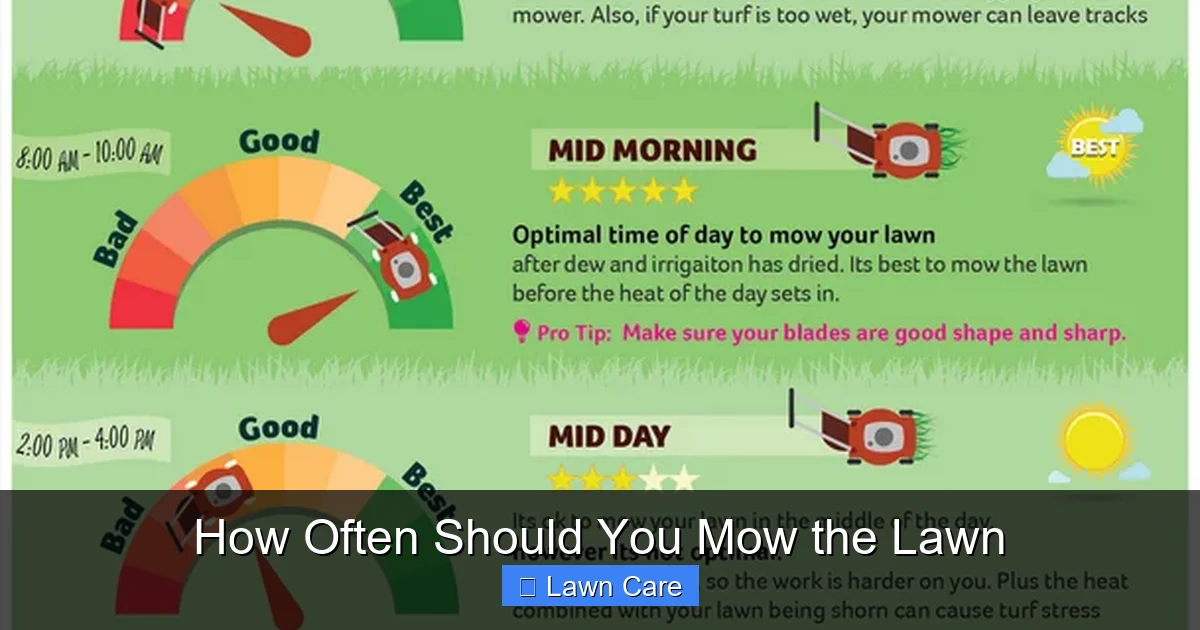
Visual guide about How Often Should You Mow the Lawn
Image source: s3.amazonaws.com
There’s a universal principle in lawn care that applies regardless of grass type or season: the one-third rule. This rule is fundamental to maintaining a healthy lawn and preventing stress.
What is the One-Third Rule?
Simply put, the one-third rule states that you should never remove more than one-third of the grass blade’s height in a single mowing session. For example, if your grass is currently 3 inches tall and you want to maintain it at 2 inches, you should only cut off that top inch. If you have a desired mowing height of 3 inches and your grass has grown to 4.5 inches, you can safely mow it back down to 3 inches.
Why is This Rule So Important?
Cutting off too much grass at once can shock the plant. Grass blades are essentially solar panels for the plant, capturing sunlight for energy. Removing a large portion of these blades deprives the grass of its food source, weakening it. This can lead to:
* Increased Stress: The grass has to expend a lot of energy recovering from the severe cut.
* Reduced Root Growth: When top growth is drastically cut, root growth can also be stunted.
* Increased Susceptibility to Pests and Diseases: Weakened grass is an easier target for problems.
* Weed Invasion: Thin, stressed lawns leave space for weeds to take hold.
Adhering to the one-third rule often means mowing more frequently, especially during peak growing seasons, rather than letting your grass get too long and then hacking off a significant portion. This is why understanding how often you need to mow your lawn is so critical.
Seasonal Influences on Mowing Frequency
The time of year plays a massive role in how fast your grass grows. Your mowing schedule should adapt to these seasonal changes.
Spring: The Growth Spurt
Spring is often the time of year when your lawn really wakes up. With increasing daylight, warmer temperatures (but not too hot!), and ample moisture, grass growth can be explosive. This is when you’ll likely be mowing your lawn most frequently. You might find yourself mowing every 4-5 days if you have fast-growing grass and optimal conditions. It’s important to keep an eye on it and adjust your schedule accordingly.
Summer: The Heat Factor
Summer presents a mixed bag for mowing. For cool-season grasses, the intense heat can slow their growth significantly, and they may even go semi-dormant to conserve energy. In these cases, you can reduce mowing frequency. However, warm-season grasses are in their prime and will continue to grow actively, especially with proper watering and fertilization. It’s also crucial to consider mowing on a hot day; sometimes it’s best to wait for cooler parts of the day or even skip a mowing if temperatures are extreme. Proper watering is also key during summer, so check out how often you should water your lawn in summer.
Fall: A Second Wind
As the extreme heat of summer subsides and temperatures become more moderate again, cool-season grasses often experience a second growth spurt. This means you might need to increase your mowing frequency again in the fall, similar to spring. Warm-season grasses will start to slow down as they prepare for winter dormancy.
Winter: Dormancy and Rest
During winter, most grasses go dormant or their growth slows to a crawl. You’ll rarely need to mow during this period. If you do have some evergreen grasses or occasional growth, mowing might be necessary but very infrequent. Always be mindful of how cold is too cold to mow the lawn.
Weather’s Impact: Rain, Sun, and Drought
Beyond the calendar season, day-to-day weather conditions significantly influence grass growth.
Rainy Periods
Plenty of rain, especially when combined with warm temperatures, is like a super-fertilizer for your lawn. Grass will grow much faster under these conditions. If you’ve had a week of steady rain, expect to need to mow sooner rather than later, and always remember the one-third rule.
Sunny and Warm Days
Consistent sunny days coupled with appropriate temperatures encourage photosynthesis and, therefore, growth. If your area is experiencing a period of ideal growing weather, keep a close watch on your grass height.
Drought Conditions
During a drought, grass growth slows dramatically as the plant tries to conserve water. In such situations, it’s often best to reduce mowing frequency or even suspend it altogether. Mowing too often during a drought can further stress an already struggling lawn. Mowing at a higher setting can also help shade the soil and retain moisture.
Mowing Height: A Direct Factor
The height at which you cut your grass has a direct impact on how often you need to mow.
Higher Mowing Heights
Mowing at a higher setting means you’re removing less of the grass blade each time. This allows you to go longer between mows while still adhering to the one-third rule. A higher mowing height also promotes deeper root growth, making your lawn more drought-tolerant and resilient. For many grass types, a height of 3 to 3.5 inches is ideal.
Lower Mowing Heights
If you prefer a very short, manicured look, you’ll need to mow more frequently. Cutting grass very short is more stressful for the plant and requires consistent attention to avoid scalping or removing too much at once. Remember, even when aiming for a short lawn, the one-third rule is paramount.
Mowing for Lawn Health and Aesthetics
Ultimately, how often you mow should contribute to both the health of your lawn and its appearance.
Encouraging Thicker Turf
Regular mowing, when done correctly, encourages grass to tiller, meaning it produces more shoots from the base. This results in a denser, thicker lawn that is more aesthetically pleasing and better at crowding out weeds.
Preventing Seed Heads and Bolting
If you let your grass get too long, many grass species will start to produce seed heads. These can make your lawn look messy and can signal that the grass is under stress or trying to reproduce. Regular mowing prevents this and keeps the lawn looking neat.
The Role of Fertilization and Watering
Your mowing frequency is also interconnected with other lawn care practices. If you fertilize your lawn regularly during its active growing season (like in the summer for warm-season grasses), you’ll stimulate growth, which means you’ll need to mow more often. Similarly, adequate watering will encourage growth. It’s a balancing act! For instance, knowing how often you should fertilize lawn in summer or how often you should water lawn in summer can help you plan your mowing schedule.
Practical Tips for Determining Your Mowing Frequency
Now that we’ve covered the key factors, let’s translate this into practical advice.
Observe Your Lawn
The best way to know how often to mow is to simply observe your lawn. After the first few mows of the season, pay attention to how quickly it grows back. If it’s ready to be cut again in 4 days, then that’s your frequency for now. If it takes 7 days, adjust accordingly.
Use the Calendar as a Guide, Not a Dictator
While the calendar can give you a general idea (e.g., “spring means more mowing”), it shouldn’t be your sole guide. Your lawn’s actual growth rate is the best indicator. You might have weeks where growth is faster or slower than usual due to weather.
Consider Your Equipment
While not directly dictating frequency, the type of mower you have can influence how efficiently you can mow. If you have a large property, a riding mower might make frequent mowing less of a chore than a push mower. Ensure your lawn mower is in good working order by following a maintenance schedule, like learning how often you should service your lawn mower.
Listen to Your Grass
Your grass will tell you what it needs. If it’s looking uneven, shaggy, or if you see seed heads, it’s time to mow. If it’s looking stressed, yellow, or if you’re in a drought, consider holding off.
Conclusion: Finding Your Lawn’s Perfect Rhythm
Determining how often you should mow the lawn isn’t about sticking to a rigid schedule. It’s about understanding the dynamic factors at play – your grass type, the season, the weather, and the health of your turf. By applying the one-third rule and observing your lawn’s growth, you can establish a mowing routine that promotes a healthy, beautiful, and resilient lawn. It’s a continuous learning process, but one that pays off with a gorgeous green carpet that you can be proud of. So, next time you’re contemplating that mower, take a moment to assess, adjust, and mow with purpose!
Frequently Asked Questions
What is the best mowing height for most lawns?
The ideal mowing height varies by grass type, but generally, a height of 3 to 3.5 inches is recommended for many common lawn grasses. This height promotes deeper root growth and helps shade out weeds. Always consult recommendations for your specific grass type.
How often should I mow my lawn in the spring?
In the spring, when grass growth is usually rapid, you can expect to mow your lawn more frequently, often once or twice a week, especially for cool-season grasses. Keep an eye on your lawn’s growth and adjust as needed, always following the one-third rule.
What should I do if my lawn grows faster than I can mow it?
If your lawn is growing faster than you can maintain, it’s a sign of healthy growth, but you may need to increase mowing frequency. Alternatively, consider mowing at a slightly higher setting to reduce the need for frequent cuts, while still adhering to the one-third rule.
Is it okay to mow my lawn when it’s wet?
It’s generally not recommended to mow a wet lawn. Wet grass clumps together, leading to uneven cuts and potentially clogging your mower. It can also spread fungal diseases. It’s best to wait until the grass is dry.
How can I tell if my grass needs mowing?
You can tell your lawn needs mowing when the grass blades start to look visibly longer than your preferred height, when seed heads begin to appear, or when the lawn has a generally shaggy appearance. A simple visual check usually suffices.
How often should I mow a newly seeded lawn?
For a newly seeded lawn, you should wait until the grass reaches about 3 inches in height before the first mowing. When you do mow, use a sharp mower blade and only trim off the top half-inch to an inch, adhering to the one-third rule to avoid damaging the young grass.