Knowing whether your lawn needs aerating can be a game-changer for keeping it healthy and lush. Look for a few key signs: if your grass feels compacted, has trouble absorbing water, or shows signs of thinning and discoloration, it might be time to aerate. You can also check for thatch buildup, which can suffocate your grass. Aerating helps improve air circulation, water absorption, and nutrient penetration, ultimately promoting a healthier lawn. So, if you notice these easy signs, don’t hesitate—give your lawn the aeration it needs to thrive! In this article, we’ll explore these signs in more detail and help you determine the best time to take action for a vibrant, green yard.

“`html
How to Tell if Your Lawn Really Needs Aerating with Easy Signs
A lush green lawn is a source of pride for many homeowners. However, achieving and maintaining that vibrant look requires a bit of effort. One essential aspect of lawn care is aeration. But how do you know when your lawn truly needs aerating? Let’s explore some easy signs that indicate it’s time to aerate your lawn.
What is Lawn Aeration?
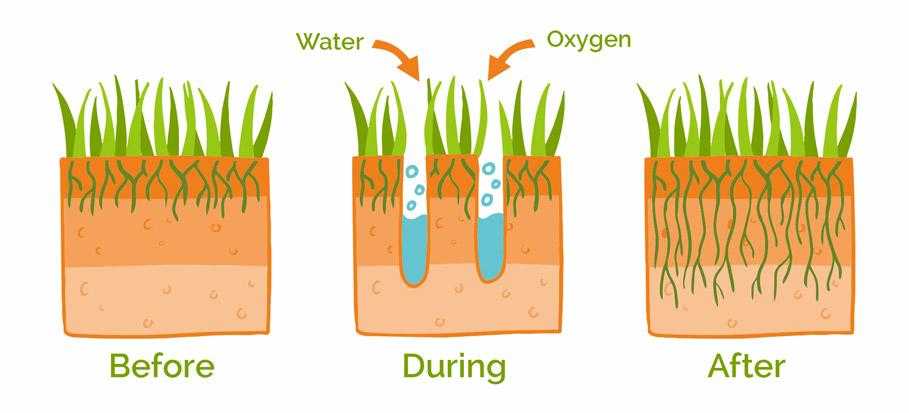
Lawn aeration is the process of perforating the soil with holes to allow air, water, and nutrients to penetrate down to the roots. This is especially vital for compacted soil, which can restrict root growth and hinder the health of your grass. Aeration can be done using various tools, from a simple garden fork to more complex machines.
Signs Your Lawn Needs Aerating
Recognizing the right time to aerate your lawn is crucial for its health. Here are the top signs that indicate your lawn may need aeration:
1. Soil Compaction
One of the most common signs is soil compaction. This often happens in areas with heavy foot traffic or after a long dry spell. When soil becomes compacted, it becomes dense and hard, making it difficult for roots to grow.
– **Test for Compaction:** Take a screwdriver or a similar tool and try to push it into the ground. If it goes in with difficulty, your soil may be too compacted.
2. Poor Drainage
If you notice water pooling on your lawn after it rains, this is a clear indication of poor drainage. Compacted soil does not absorb water well, leading to standing water, which can cause grass roots to rot.
– **Observation:** Look for any soggy patches after rainfall. If your lawn holds water instead of draining it away, consider aerating.
3. Thinning Grass
If your lawn appears patchy or thin, aeration may be beneficial. Healthy grass needs space, air, and nutrients to thrive. A lack of these elements can lead to poor growth.
– **Check for Bald Spots:** Look for areas that have less grass coverage. If they are spreading, it is a sign that your lawn needs aerating.
4. High Soil Density
Another sign of needing aeration is high soil density. Over time, soil can become so compacted that it feels very hard when you walk on it.
– **Walk Test:** If walking on your lawn feels like stepping on a solid surface, it’s time to aerate.
5. Excess Thatch Buildup
Thatch is the layer of dead grass and roots that sits on top of the soil. A little thatch is normal, but if it exceeds half an inch, it can hinder growth.
– **Thatch Check:** Use a spade to cut into the lawn and check the thatch layer. If it’s thick, aeration can help reduce it.
The Benefits of Aerating Your Lawn
Aerating your lawn can have numerous benefits, helping to improve the overall health and appearance of your grass.
- Improves Soil Structure: Aeration helps break up compacted soil, improving drainage and nutrient absorption.
- Enhances Root Growth: With better access to air and nutrients, roots can grow deeper and healthier.
- Increases Water Infiltration: Aeration helps water to penetrate the soil more effectively, reducing runoff.
- Promotes Thatch Decomposition: Easing the pressure on the soil promotes the breakdown of thatch.
- Strengthens Grass Resilience: A well-aerated lawn is better equipped to withstand drought and disease.
The Best Time to Aerate Your Lawn
Timing is crucial for effective aeration. Here are some guidelines on when to aerate your lawn based on the type of grass you have.
Cool-Season Grasses
If you have cool-season grasses like Kentucky bluegrass or fescue, the best time to aerate is during the early spring or fall. This is when the grass is actively growing, allowing it to recover quickly from aeration.
Warm-Season Grasses
For warm-season grasses, such as Bermuda or zoysia, the ideal times for aeration are late spring and early summer. Aerating during these times encourages healthy growth as the grass transitions into its growing season.
How to Aerate Your Lawn
Now that you know when to aerate and why it is essential, let’s go over how to do it properly.
1. Choose the Right Equipment
You can choose between a spike aerator, which pokes holes into the soil, and a core aerator, which removes small plugs of soil. Core aerators are generally more effective as they remove soil, allowing air and nutrients to penetrate more deeply.
2. Prepare Your Lawn
Before aerating, mow your lawn to a lower height and water it the day before. This helps soften the soil, making it easier for the aerator to penetrate.
3. Aerate in a Pattern
Aerate your lawn in a systematic pattern. Move in straight lines and overlap slightly to ensure even coverage. This helps maximize the benefits of aeration.
4. Clean Up
After aerating, leave the soil plugs on the surface. They will break down and return nutrients to the soil. However, if they become too thick, you may want to rake them up for better aesthetics.
5. Follow Up with Care
After aeration, give your lawn some TLC. Water it well and consider applying fertilizers or seed in areas that need extra care. This follow-up will help promote new growth and strengthen your lawn.
Common Mistakes to Avoid When Aerating
Even with the best intentions, some common mistakes can affect the effectiveness of lawn aeration.
- Not Aerating Enough: Many homeowners underestimate how often they need to aerate. Generally, aerating once a year is a good standard.
- Aerating During the Wrong Time: As mentioned earlier, aeration timing depends on grass types, so make sure to aerate at the right season.
- Ignoring Soil Moisture: Aerate when the soil is moist but not soggy. This will help you avoid additional compaction.
Additional Tips for Lawn Maintenance
Beyond aeration, there are other practices that can help keep your lawn healthy.
Irrigation
Adequate watering is essential for a healthy lawn. Ensure you are providing enough water, especially during dry spells.
Fertilization
Regular fertilization supports grass growth and helps maintain a vibrant green lawn. Consider using organic options for the best results.
Mowing Practices
Mow regularly but avoid cutting more than one-third of the grass height at a time. This keeps the grass healthy and prevents unnecessary stress.
Keeping your lawn looking its best requires regular care and attention. Recognizing the signs that your lawn needs aerating can make a significant impact on its health. By paying attention to soil compaction, drainage issues, and grass health, you can determine the right time to aerate and maintain a vibrant, lush lawn throughout the year.
“`
How to tell if your lawn needs core aeration.
Frequently Asked Questions
“`html
What are the signs of compacted soil in your lawn?
If your lawn feels hard when you walk on it or shows signs of water pooling after rain, these indicate compacted soil. Compacted soil restricts root growth and prevents air, water, and nutrients from reaching the grass effectively.
How can you identify thinning grass in your lawn?
Notice if any patches of your lawn appear thinner or have bare spots. If the grass fails to fill in these areas and struggles to grow, it’s a sign that aeration may be needed to improve soil conditions and encourage healthy growth.
What effect does excessive thatch have on your lawn?
Thatch is a layer of organic matter that accumulates on the soil’s surface. When it exceeds half an inch in thickness, it can hinder water and nutrients from penetrating the soil. If you see this buildup, your lawn likely needs aeration to break down thatch and promote better health.
How does poor drainage affect grass health?
If your lawn shows signs of poor drainage, such as puddling or waterlogged areas, this can lead to root rot and other issues. Aeration can help improve drainage by creating openings in the soil, allowing water to soak in more effectively.
What changes in grass color indicate the need for aeration?
Yellowing grass can signal stress from compacted soil or lack of nutrients. If most of your lawn shows this discoloration, it may benefit from aeration to improve air circulation and nutrient absorption.
How can foot traffic impact the health of your lawn?
High foot traffic can lead to soil compaction and damaged grass. If your lawn is suffering from excessive wear and tear, consider aeration to relieve compaction and promote healthier growth in heavily trafficked areas.
“`
Final Thoughts
To determine if your lawn really needs aerating, watch for clear signs like compacted soil, poor drainage, and thinning grass. If you notice areas that feel hard underfoot or struggle to grow, those are indicators that aeration could benefit your lawn.
Regularly checking these signs can help maintain a healthy lawn. Remember, aerating your lawn is vital for enhancing root growth and water absorption. Always keep an eye out for the signals described in “How to Tell if Your Lawn Really Needs Aerating with Easy Signs” to ensure a thriving green space.