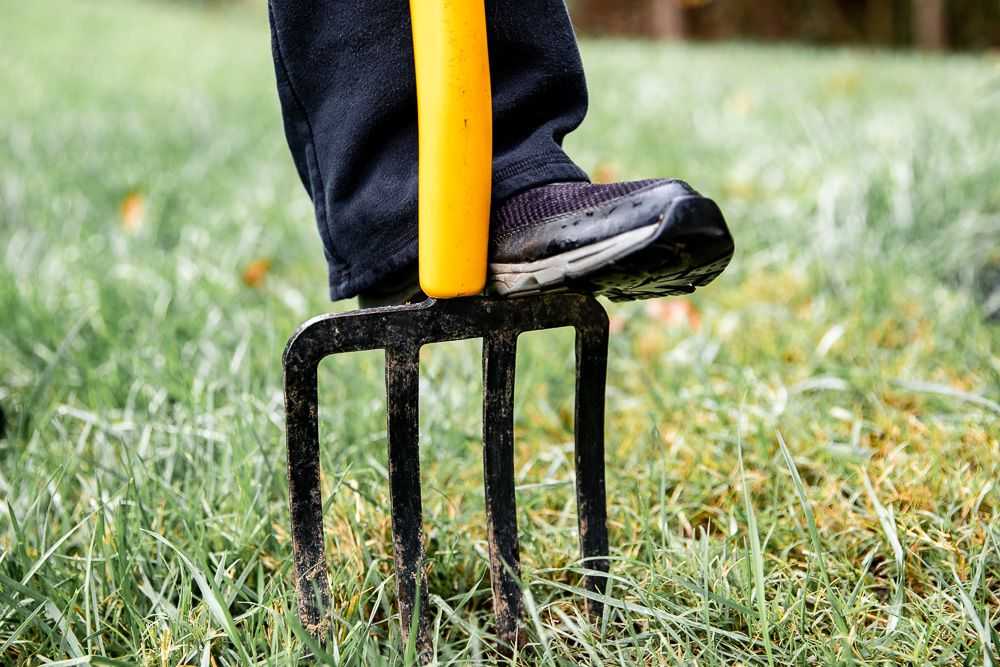
Aerating your lawn by hand is a straightforward yet effective way to promote healthy grass growth and improve soil health. If you’re wondering how to get started, the key is to use a garden fork or a specialized hand aerator to create small holes in the soil. This process allows air, water, and nutrients to reach the roots more easily. Ideally, you want to aerate your lawn when the soil is moist but not overly soggy, making it easier to penetrate. By doing this regularly, especially in compacted areas, you can help your lawn thrive. So, roll up your sleeves and let’s dig into the step-by-step process of hand aeration, ensuring your grass stays lush and vibrant.

“`html
How to Aerate Lawn by Hand
Aerating your lawn is essential for keeping it healthy, vibrant, and green. Aeration helps to relieve soil compaction, allowing air, water, and nutrients to penetrate the soil more effectively. In this article, we will cover how to aerate your lawn by hand, the tools you’ll need, and the best times to do it.
Understanding Lawn Aeration
Before diving into the process, it’s vital to understand what lawn aeration is. Aeration involves perforating the soil with holes to allow air, water, and nutrients to reach the grass roots. This process encourages healthy growth and improves the overall condition of your lawn.
– **Soil Compaction**: Over time, the soil can become compacted from foot traffic and heavy equipment, making it difficult for roots to breathe. Aeration can help remedy this issue.
– **Thatch Buildup**: Thatch is a layer of organic matter that can accumulate on the soil surface. Aeration helps break down thatch and promote healthier grass growth.
Benefits of Aerating Your Lawn
Aerating your lawn provides numerous benefits that contribute to its health and appearance. Here are some key advantages:
- Improved Airflow: Aeration allows better airflow to the roots, promoting healthy growth.
- Enhanced Nutrient Uptake: Nutrients from fertilizers can better reach the root zone.
- Water Absorption: Aeration improves water penetration, reducing runoff and puddling.
- Stronger Roots: Healthy roots result in a thicker, greener lawn.
When to Aerate Your Lawn
Timing is crucial for effective lawn aeration. The best times to aerate your lawn depend on the type of grass you have:
– **Cool-Season Grasses**: Aerate in early spring or fall when these grasses are actively growing.
– **Warm-Season Grasses**: Perform aeration in late spring or early summer, during their growth peak.
Knowing when to aerate will ensure the maximum benefits for your lawn.
Tools You’ll Need for Hand Aeration
Aerating your lawn by hand requires specific tools to make the job easier. Here are the essential tools you should consider:
- Hand Aerator: This tool often has a set of metal spikes that penetrate the soil.
- Garden Fork: A garden fork can also serve to aerate smaller areas by breaking up the soil.
- Weeding Tool: This tool helps you remove cores of soil when needed.
- Rake: Use a rake afterward to spread any loose soil or thatch.
Steps to Aerate Your Lawn by Hand
Now that you have the tools and understand the benefits, let’s dive into the step-by-step process of aerating your lawn by hand.
Step 1: Prepare the Area
Make sure to clear any debris from your lawn, including branches, stones, or toys. This preparation keeps your lawn safe and makes the aerating process smoother.
Step 2: Determine Soil Moisture
Check the moisture level of your soil. Ideally, you should aerate when the soil is moist but not overly wet. This condition allows the spikes or forks to penetrate easily.
Step 3: Aerate the Lawn
Using your hand aerator or garden fork, start at one corner of your lawn. Push the aerator into the ground and pull it back up, creating holes about 3 to 4 inches apart.
– Focus on high-traffic areas where the soil is compacted.
– Continue working across the entire lawn until all areas are aerated.
Step 4: Remove Soil Cores (Optional)
If you are using a core aerator, you may find small plugs of soil left behind. You can choose to leave them or collect them in a bucket. If left, they will break down and add organic matter to your soil.
Step 5: Rake the Lawn
After aerating, use a rake to even out the surface. This step helps in distributing any loose soil and thatch, improving overall soil health.
Step 6: Fertilize and Water
Once you have aerated and raked your lawn, consider fertilizing it. Choose a quality fertilizer to apply, which will help promote new growth. After applying, water your lawn thoroughly.
Post-Aeration Care
Taking care of your lawn after aeration is just as important as the aeration process itself. Here are some tips to ensure optimal recovery and growth:
- Keep the Soil Moist: Water regularly to promote healthy root growth.
- Avoid Heavy Foot Traffic: Limit foot traffic on your lawn for a few weeks.
- Mow Higher: Allow the grass blades to grow a bit longer after aeration to help with photosynthesis.
Common Mistakes to Avoid
While aerating your lawn can be straightforward, there are some common pitfalls you should watch out for:
- Aerating on Dry Soil: Ensure the soil is moist to avoid damaging the turf.
- Over-aerating: Aim for a balance; too many holes can harm the grass.
- Neglecting Follow-Up Care: Post-aeration care is crucial for the best results.
Additional Lawn Care Tips
Incorporating aeration into your lawn care routine can significantly improve your lawn’s health. Here are some additional tips to keep your lawn thriving:
- Regular Watering: Keep your lawn hydrated, especially during dry spells.
- Proper Mowing: Mow regularly and at the right height for your grass type.
- Apply Mulch: Mulching helps retain moisture and nutrients in the soil.
Aerating your lawn by hand is a simple yet impactful way to enhance the health and appearance of your grass. By following the steps outlined in this article, you can ensure a lush, vibrant lawn that is the envy of your neighborhood. Remember to care for your lawn post-aeration, and enjoy the benefits of your hard work!
“`
Aerating the Lawn
Frequently Asked Questions
“`html
What tools do I need to aerate my lawn by hand?
To aerate your lawn by hand, you typically need a lawn aerator, which can be a spike aerator or a plug aerator. A spike aerator has a solid tine that creates holes in the ground, while a plug aerator removes small plugs of soil. Additionally, you may want to have a rake, watering can or hose for post-aeration, and protective gloves to keep your hands safe while working.
When is the best time to aerate my lawn by hand?
The ideal time to aerate your lawn by hand is during the growing season. For cool-season grasses, late spring or early fall works best, while warm-season grasses benefit from aeration in late spring to early summer. The soil should be moist, but not overly wet, to allow for easier penetration of the aerator.
How often should I aerate my lawn manually?
Most lawns benefit from aeration once a year. However, if your lawn experiences heavy foot traffic or has compacted soil, consider aerating it twice a year. Observing the health of your lawn will also guide you; if it starts to show signs of stress or compaction, it may need aeration sooner.
What should I do after I aerate my lawn by hand?
After aerating your lawn, it’s essential to water it thoroughly to help the grass recover and encourage new growth. You may also want to apply a fertilizer or overseed the area to promote a lush, healthy lawn. Keeping the soil moist during the recovery period will further enhance the benefits of aeration.
Can I aerate my lawn at any time of the year?
Aerating your lawn at inappropriate times can hinder its health. Avoid aerating during extreme weather conditions, such as during drought or freezing temperatures, as the soil will be too hard or too soft. Stick to the recommended times for your specific grass type to ensure optimal results.
“`
Final Thoughts
Aerating your lawn by hand is an effective way to promote healthy grass growth. Start by assessing your lawn’s condition and choose the right tools, like a manual aerator or a garden fork.
Make sure to aerate when the soil is moist, as this will help you penetrate the ground more easily. After completing the process, consider applying a layer of compost to enhance nutrient absorption.
In conclusion, knowing how to aerate lawn by hand can significantly improve your lawn’s health and appearance. Regular aeration fosters better air circulation, water absorption, and nutrient availability for your grass.