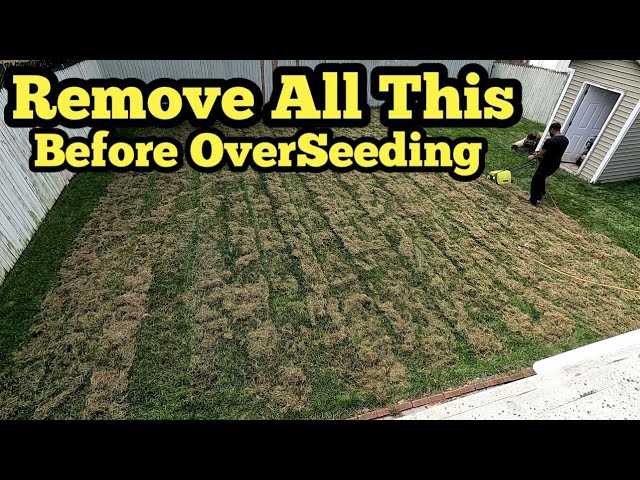
Overseeding your lawn can rejuvenate its appearance and health without the hassle of aerating. If you’re looking to give your grass a boost, the good news is that you can effectively overseed without the need for heavy equipment. The key is to prepare your lawn properly, taking a few simple steps to ensure the new seeds have the best chance of thriving. Start by mowing your grass shorter than usual and raking the surface to expose the soil. This helps the seed make contact with the soil, promoting germination. Then, spread the seed evenly and consider using a light top dressing to protect it. With a little care and attention, you can achieve a lush, green lawn in no time!

How to Overseed Lawn Without Aerating
Overseeding your lawn without aerating can be an effective way to rejuvenate and thicken your grass. Many homeowners may wonder if it’s possible to add new seed to their existing lawn without aeration. The answer is yes! In this guide, we will cover the steps and tips you need to successfully overseed your lawn without aerating.
Understanding the Benefits of Overseeding
Before diving into the process, it is crucial to understand why you might want to overseed your lawn. Overseeding helps to:
- Improve lawn density
- Repair damaged areas
- Introduce disease-resistant grass varieties
- Enhance the lawn’s overall appearance
These benefits can greatly improve the health and aesthetics of your lawn without the need for aeration.
Choosing the Right Time for Overseeding
Timing plays a crucial role in the success of overseeding. The best times to overseed your lawn are:
- Early spring, when temperatures start to warm
- Early fall, as the temperatures begin to cool down
During these times, grass growth is optimal, allowing seeds to germinate and thrive.
Preparing Your Lawn for Overseeding
Preparation is key when overseeding. Here are some steps to get your lawn ready:
1. Mow Your Lawn
Start by mowing your lawn shorter than usual. Aim for a height of about 1 to 2 inches. This allows the new seeds to have better contact with the soil.
2. Rake the Lawn
Next, use a rake to remove any debris, such as leaves or dead grass. Raking helps to expose the soil and prepares it for better seed contact.
3. Fertilize
Fertilizing provides essential nutrients to your existing grass and supports the new seedlings. Use a starter fertilizer that promotes healthy growth.
Selecting the Right Grass Seed
Choosing the right grass seed is crucial for successful overseeding. Consider these factors:
1. Grass Type
Select a grass variety that matches your existing lawn. Common types include:
- Perennial Ryegrass for quick germination
- Bermudagrass for warm climates
- Fescue for shade tolerance
2. Quality of Seed
Higher-quality seeds will yield better results. Look for seeds with a high germination rate and minimal weed content.
How to Overseed Without Aerating
Now, let’s discuss the actual overseeding process without aerating.
1. Spread the Seed
Use a broadcast spreader to evenly distribute the grass seed across the lawn. Following the recommended seeding rates on the package is essential.
2. Watering
After spreading the seed, water your lawn thoroughly. Keep the soil consistently moist to encourage germination. Watering should be done lightly but frequently, especially in the first few weeks.
3. Topdressing (Optional)
Consider adding a thin layer of compost or topsoil after overseeding. This can help retain moisture and provide nutrients to the seeds.
Maintaining Your Lawn Post-Overseeding
Post-overseeding care is essential to ensure the new grass flourishes.
1. Continue Watering
Keep watering regularly, especially during dry spells. Gradually reduce the frequency as the new grass establishes.
2. Avoid Heavy Foot Traffic
Try to limit foot traffic on the newly overseeded areas for at least a few weeks. This allows the seedlings to grow without stress.
3. Monitor for Weeds
Watch for any weed growth that might compete with your new grass. Use a gentle weed control method if necessary, but avoid using harsh chemicals that can harm new seedlings.
Dealing With Challenges During Overseeding
Sometimes, overseeding doesn’t go as planned. Here are common challenges and how to address them.
1. Poor Seed Germination
If seeds do not germinate, check if the soil moisture was adequate. It may also indicate that the seeds were not of good quality.
2. Heavy Thatch Buildup
If you have a thick layer of thatch, it can hinder seed growth. You can manage this by regularly raking or using a dethatching tool.
3. Uneven Growth
If some areas are growing better than others, ensure you watered evenly. Some areas might need additional seed or care.
Seasonal Considerations for Overseeding
Different seasons come with unique challenges for overseeding.
1. Spring Overseeding
In spring, be cautious of weeds. They are also actively growing, which means you may need to monitor for competition.
2. Fall Overseeding
Fall is often the best time, but be prepared for cooler temperatures. These can slow down growth, so focus on keeping the soil warm.
Why Aeration is Not Always Necessary
Although aeration is beneficial in some cases, it’s not always necessary for overseeding. Here are some reasons why:
- Healthy soil structure can allow seeds to penetrate
- Overseeding without aeration can save time and effort
- It’s less disruptive to existing grass
Understanding your lawn’s condition and needs can help you decide the best route to overseed.
There are numerous benefits to overseeding your lawn without aerating. By preparing properly, choosing the right seeds, and following up with proper care, you can achieve a lush and vibrant lawn. Remember to monitor conditions, address challenges promptly, and keep your lawn healthy through maintenance. Happy gardening!
How to Overseed Lawns Without Aerating
Frequently Asked Questions
What are some effective methods to prepare the lawn for overseeding without aeration?
To prepare your lawn for overseeding without aeration, start by mowing the grass shorter than usual to expose the soil. Rake the lawn to remove debris, dead grass, and thatch that may hinder seed contact with the soil. This will help seeds penetrate the soil more effectively. Additionally, applying a thin layer of compost or topsoil can improve soil quality and provide a better environment for seed germination.
How can I ensure proper seed-to-soil contact during overseeding?
To ensure good seed-to-soil contact, you can use a seed spreader for even distribution. After spreading the seeds, lightly roll the lawn with a roller to press the seeds into the soil. Water the area thoroughly but gently to avoid washing the seeds away. This will help the seeds settle into the soil, promoting better germination.
What type of grass seed is best for overseeding without aeration?
Select grass seed that matches your existing lawn type for a uniform appearance. For cool-season areas, consider fescue or bluegrass. For warm-season areas, Bermuda or zoysia may be suitable. Always choose high-quality seeds that are suitable for your climate and conditions to enhance germination and growth.
When is the best time to overseed my lawn without aerating?
The timing for overseeding largely depends on your climate. Generally, late summer to early fall works well for cool-season grasses, as temperatures are mild and moisture levels are higher. For warm-season grasses, late spring to early summer is ideal. Check your local weather patterns to determine the best time for your specific area.
How often should I water after overseeding without aeration?
After overseeding, water the lawn lightly and frequently, about 2-3 times a day, to keep the top inch of soil consistently moist. Once the seeds germinate and new grass starts to grow, you can gradually reduce the frequency to 1-2 times a week, depending on rainfall and weather conditions. Make sure to water deeply to encourage deep root growth.
Final Thoughts
To overseed your lawn without aerating, first ensure the soil is moist and the grass is healthy. Reseed evenly with quality grass seed, focusing on bare or thin areas to promote uniform growth. Water the area lightly after seeding, keeping the soil consistently damp until the new grass establishes.
In summary, you can effectively learn how to overseed lawn without aerating by preparing the soil, applying the seed, and maintaining proper moisture. Following these steps will help rejuvenate your lawn and enhance its overall appearance. A healthy lawn contributes to the beauty of your landscape and provides a pleasant outdoor space.