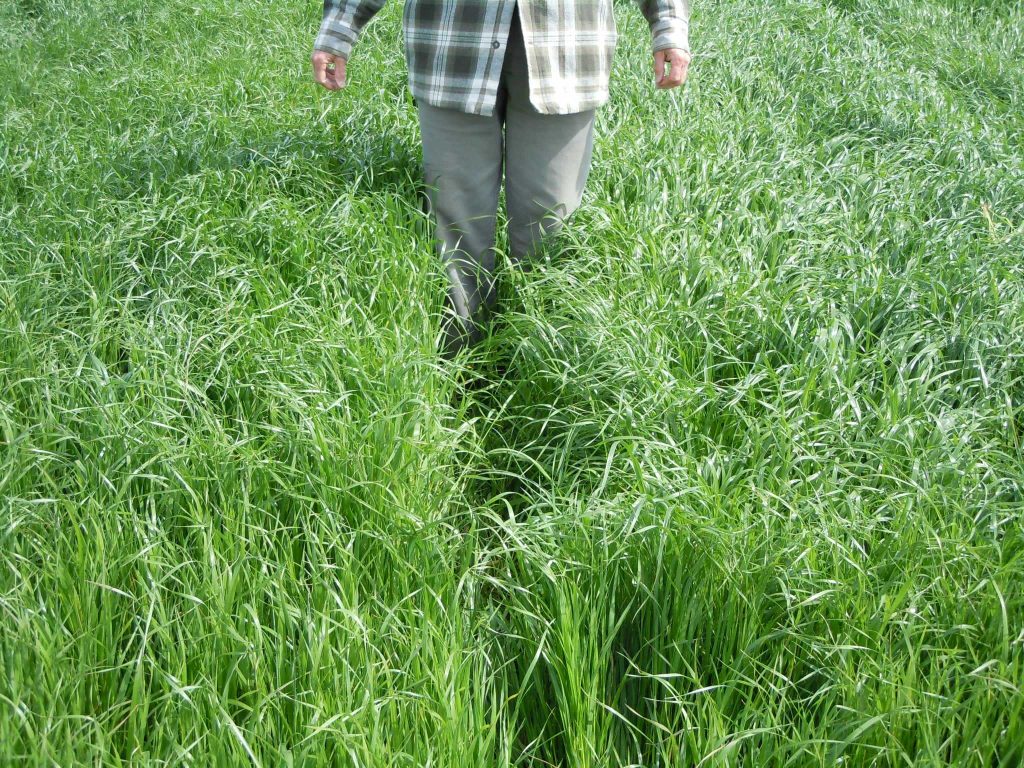
Ryegrass can reach heights of about 12 to 24 inches, making it a versatile and eye-catching grass for lawns and pastures. Curious about how tall this popular grass can grow? Well, it largely depends on the variety—annual ryegrass tends to be shorter, while perennial types can reach a greater height. Maintaining your ryegrass’s height depends on proper mowing and care, but generally, you can expect it to grow to a height that’s both lush and manageable.
In short, ryegrass typically grows between 12 and 24 inches tall, though this can vary based on the type, climate, and care practices. For a healthy, vibrant lawn or pasture, understanding its growth potential helps you plan your maintenance routines effectively.
If you’re considering planting ryegrass or want to manage its growth better, knowing how tall it can get and what influences its size is essential. Ryegrass is a popular choice for quick ground cover, erosion control, and creating a beautiful, dense lawn. It thrives in cool seasons and grows rapidly, making it ideal for seasonal coverage or quick fixes. Proper mowing, watering, and fertilization will help keep it healthy and at your desired height.

How Tall Does Ryegrass Grow? An In-Depth Look at Ryegrass Height and Growth Patterns
Introduction to Ryegrass Height and Growth
Ryegrass is known for its quick growth and versatile use in lawns, pastures, and sports fields. Its height can vary depending on several factors including the variety, growing conditions, and maintenance practices. Understanding how tall ryegrass gets helps growers and homeowners plan their lawns and pastures effectively.
Types of Ryegrass and Their Typical Heights
There are two main types of ryegrass: annual and perennial. Each has distinct growth characteristics and height ranges.
Annual Ryegrass (Lolium multiflorum)
Annual ryegrass is a fast-growing type often used for temporary cover crops or pasture. It typically reaches heights of 12 to 24 inches (30 to 60 centimeters). Its rapid growth makes it ideal for quick ground cover, but it tends to stay within this height range if left unmanaged.
Perennial Ryegrass (Lolium perenne)
Perennial ryegrass is more long-lasting and is commonly used in lawns and permanent pastures. Its height varies between 12 and 36 inches (30 to 90 centimeters). It can grow taller under optimal conditions but is usually kept shorter with regular mowing.
Factors Influencing Ryegrass Growth and Height
Many factors impact how tall ryegrass can grow, including climate, soil quality, watering, and mowing.
Climate and Temperature
Warm temperatures promote faster growth, causing ryegrass to reach its maximum height more quickly. Cooler climates may slow down growth, resulting in shorter plants.
Soil Quality
Rich, well-drained soil supports healthy root development and vigorous growth, leading to taller ryegrass. Poor soil conditions can stunt growth and keep the grass shorter.
Water and Nutrients
Adequate watering and fertilization encourage optimal growth. A lack of water or nutrients can limit height and overall health.
Mowing Practices
Regular mowing controls the height of ryegrass, preventing it from becoming too tall. Mowing height usually ranges from 2 to 4 inches (5 to 10 centimeters) depending on the use.
Growing Conditions and Their Effect on Height
Specific growing conditions directly influence the maximum height ryegrass can attain.
Sunlight Exposure
Full sunlight encourages taller, denser growth, while shaded areas may result in shorter ryegrass.
Watering Schedule
Consistent moisture supports continual growth, but overwatering can lead to disease and shorter, weaker plants.
Fertilization Frequency
Balanced fertilization, especially with nitrogen-rich fertilizers, boosts tall, lush ryegrass.
Maintenance and Management for Desired Ryegrass Height
Proper management can help maintain ryegrass at the desired height for aesthetic or functional purposes.
Mowing Techniques and Schedules
Mowing regularly at the appropriate height keeps ryegrass healthy and prevents it from becoming too tall or unruly.
Overseeding and Thinning
Overseeding can fill in patches and control the height by dense planting. Thinning prevents overcrowding and encourages healthy growth.
Fertilizing Strategies
Applying the right amount of fertilizer promotes vigorous growth without causing excessive height or weakness.
Potential Height Challenges and How to Handle Them
Sometimes ryegrass may grow taller or shorter than expected due to environmental stresses or improper care.
Overgrowth and Thatch Buildup
Tall ryegrass can lead to thatch problems. Regular mowing and aeration prevent thatch accumulation.
Stunted Growth and Short Ryegrass
Poor soil, inadequate watering, or disease can cause ryegrass to stay short. Addressing these issues through proper fertilization and pest control helps restore normal growth.
Comparative Table: Ryegrass Height by Type and Condition
| Ryegrass Type | Typical Height | Optimal Conditions |
|---|---|---|
| Annual Ryegrass | 12 to 24 inches (30 to 60 cm) | Warm climate, rich soil, regular watering |
| Perennial Ryegrass | 12 to 36 inches (30 to 90 cm) | Moderate climate, fertilized soil, mowing |
| Under Poor Conditions | Shorter than normal (less than 12 inches) | Shaded, dry, nutrient-deficient soil |
| Managed with Mowing | 2 to 4 inches (5 to 10 cm) | Regular maintenance, appropriate height setting |
Related Topics for Ryegrass Growth and Maintenance
- Best fertilizers for ryegrass growth
- Proper mowing techniques for ryegrass
- Seasonal ryegrass planting tips
- Common pests affecting ryegrass height
- Soil preparation for optimal ryegrass growth
Summary of Height Expectations and Tips
In summary, ryegrass generally grows up to 12 to 36 inches depending on its type and growing conditions. Regular maintenance, suitable fertilization, and proper watering are key to managing its height. Knowing these factors helps ensure your ryegrass remains healthy, lush, and appropriately tall for your needs.
How long does it take ryegrass to grow?
Frequently Asked Questions
What environmental conditions influence the growth height of ryegrass?
Ryegrass height depends largely on environmental factors such as soil fertility, moisture levels, temperature, and sunlight. Well-drained, nutrient-rich soils promote taller and denser growth. Adequate watering ensures the grass reaches its full height, while extreme temperatures or drought conditions can limit growth. Additionally, plenty of sunlight encourages vigorous development, resulting in taller grass.
How does mowing frequency affect the mature height of ryegrass?
Frequent mowing keeps ryegrass at a shorter height, preventing it from reaching its maximum potential. If you want taller ryegrass, reduce mowing frequency and cut only when necessary to maintain health. Allowing the grass to grow longer between cuts enables it to attain greater height, typically up to 2 to 3 feet in optimal conditions.
Can ryegrass be bred or cultivated for specific height traits?
Yes, certain ryegrass varieties are cultivated for their specific height characteristics. For example, some perennial ryegrass strains are selected for being shorter and more suited for lawns, while others are bred to grow taller for pasture or erosion control purposes. Choosing the right variety based on your needs ensures the grass reaches the desired height in your landscape.
Final Thoughts
Ryegrass typically grows to a height of 6 to 18 inches, depending on the variety and growing conditions.
Perennial ryegrass tends to be taller, reaching up to 18 inches, while annual types stay closer to 6 inches.
Proper maintenance and mowing can influence its height, ensuring an even and healthy turf.
How tall does ryegrass grow? Overall, it remains manageable and suitable for lawns, pastures, and sports fields.