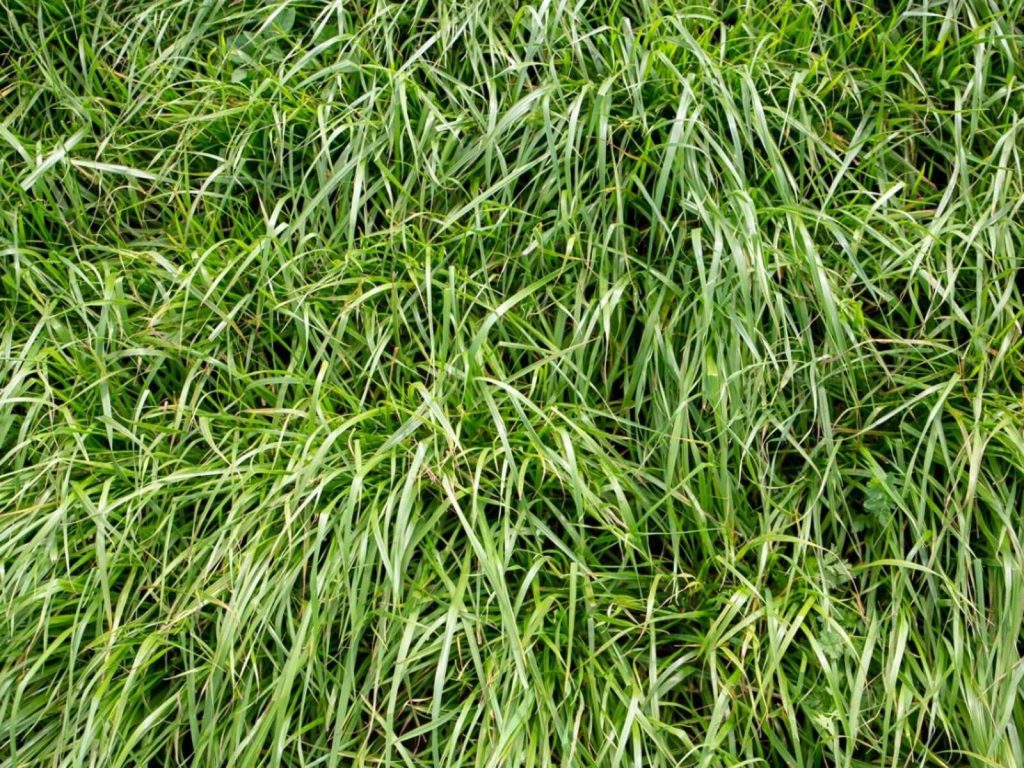
The best time to plant ryegrass is in early fall or early spring when soil temperatures are between 50-65°F, ensuring optimal germination. Generally, planting in late summer or early fall gives your ryegrass a head start before winter, while early spring planting helps it establish as the weather warms up.
Ryegrass is a popular choice for lawns and pastures because it grows quickly and competes well against weeds. To get the best results, timing your planting correctly is essential for lush, healthy grass. When you choose the right season, you’ll enjoy a vibrant, resilient lawn or pasture with minimal effort.
Planting ryegrass at the right time ensures strong growth and a beautiful, sustainable yard. The key is to sow in early fall or spring when soil and air temperatures are just right for germination and growth. Understanding these seasonal cues will make all the difference in establishing thriving ryegrass.

When to Plant Ryegrass: A Complete Guide
Understanding the Best Seasons for Ryegrass Planting
Ryegrass is a popular choice for lawns and pastures because of its quick growth and vibrant green color. The timing of planting is essential to ensure healthy establishment and lush growth. Typically, ryegrass thrives when planted in the cooler seasons, but there are specific periods that work best depending on your location.
In most regions, the ideal time to plant ryegrass is during early fall or late spring. These seasons provide the moderate temperatures and moisture the grass needs to grow quickly. Planting at the right time helps establish a dense turf that can resist weeds and pests effectively.
Climate Considerations for Planting Ryegrass
Ryegrass performs best in areas with mild to cool climates. It prefers temperatures between 50°F (10°C) and 75°F (24°C). If temperatures are too hot, the grass may struggle to establish and could become stressed.
In cooler regions, fall planting allows ryegrass to develop roots before winter. Conversely, in warmer areas, planting in early spring ensures the grass can grow during the cooler months of the year. Always consider your local climate when choosing the planting time to ensure optimal growth.
Timing for Different Types of Ryegrass
There are mainly two types of ryegrass: perennial and annual. Each has distinct preferences for planting times:
- Perennial Ryegrass: Best planted in early fall or early spring. It is durable and can last for several years with proper care.
- Annual Ryegrass: Usually grown for temporary cover. It germinates quickly and can be planted in late fall or early spring depending on the planting purpose.
Matching the type of ryegrass to your local climate and your specific needs will help ensure the best results.
Preparing the Soil Before Planting Ryegrass
Before planting, preparing your soil is a key step. Well-prepared soil allows for better seed contact and faster germination. Start by removing weeds, rocks, and debris.
Next, loosen the soil to a depth of about 4 to 6 inches for optimal root development. Incorporate organic matter or compost to improve fertility and water retention. Using a soil test kit can help determine pH levels; ryegrass prefers a pH between 5.5 and 7.0.
Soil Testing and Amendment
Soil testing is a helpful step to identify nutrient deficiencies or pH imbalances. Amend the soil based on test results, adding lime to raise pH or sulfur to lower it if necessary. Balanced soil conditions promote healthy ryegrass growth.
Optimal Soil Moisture and Drainage for Planting
Ryegrass needs consistent moisture for germination. Ensure your soil has good drainage to prevent waterlogging, which can cause root rot. If your soil retains too much water, consider installing drainage solutions or creating raised planting beds.
Before planting, water the soil thoroughly. Keep the soil moist but not soaked during the germination period, which lasts about 7 to 14 days.
Best Time to Sow Ryegrass Seeds
Timing your seed sowing is crucial for successful germination and establishment. Sow ryegrass seeds when nighttime temperatures are consistently above 50°F (10°C). This generally corresponds to early fall or early spring in many regions.
Spread the seeds evenly using a broadcast spreader or by hand to ensure uniform coverage. Lightly rake the soil to cover the seeds with a thin layer of soil or mulch, about ¼ inch deep.
Factors Affecting Ryegrass Growth Timing
Several factors influence the ideal planting time, including:
- Temperature: Avoid planting during extreme heat or cold.
- Rainfall: Adequate moisture at planting time helps seeds germinate efficiently.
- Soil Conditions: Well-drained, fertile soil encourages faster establishment.
Monitoring weather forecasts helps plan planting for the most favorable conditions.
Common Mistakes to Avoid When Planting Ryegrass
Avoid these pitfalls to ensure your ryegrass establishes well:
- Plantting in extreme heat or cold.
- Skipping soil preparation or neglecting soil testing.
- Planting seeds too deep or too shallow.
- Watering too much or too little during germination.
Adhering to recommended planting times and practices increases your chances of success.
Summary of Key Planting Times by Region
Below is a simple guide to help determine the best planting window based on your location:
| Region | Best Planting Time | Notes |
|---|---|---|
| North climates | Early Fall (September to October) | Allows establishment before cold weather. |
| South climates | Early Spring (March to April) | Plant after frost danger passes. |
| Temperate zones | Both early fall and early spring | Choose based on regional temperature trends. |
Seasonal Maintenance Tips After Planting
Once your ryegrass is planted, maintenance becomes key. Water regularly to keep the soil moist, especially during dry spells. Fertilize lightly with a nitrogen-rich fertilizer after the grass establishes.
Avoid heavy foot traffic until the grass is well-rooted. Mowing should begin when the grass reaches about 3 inches tall, trimming to a height of 2 inches.
Planting ryegrass at the right time ensures a thick, vibrant lawn or pasture that lasts for years. Pay attention to your local climate, soil conditions, and seasonal weather patterns. With proper preparation and timing, you can enjoy lush green ryegrass that adds beauty and value to your property.
Perennial Ryegrass Pros and Cons
Frequently Asked Questions
What is the best season to plant ryegrass for optimal growth?
The ideal season to plant ryegrass depends on your local climate. In most regions, early fall or early spring offers the best conditions. Planting in early fall allows the grass to establish before winter, while spring planting gives it ample time to grow during the warmer months. Avoid planting during extreme heat or cold to ensure successful establishment.
How does soil temperature influence the timing of planting ryegrass?
Soil temperature plays a crucial role in ryegrass germination. For optimal growth, plant when soil temperatures are consistently between 50°F and 65°F (10°C to 18°C). This range promotes rapid sprouting and healthy root development. If the soil is too cold, germination slows significantly; if too hot, the seeds may not establish properly.
Can I plant ryegrass in late summer, and what should I consider?
Yes, you can plant ryegrass in late summer, especially in regions with mild climates. However, ensure that the soil is not excessively dry or hot, which can hinder germination. Water the area consistently after planting to keep the soil moist. Early fall planting might be preferable in hotter regions to prevent heat stress during establishment.
What are the signs that indicate the right time to start planting ryegrass?
Look for cooler soil temperatures and moderate daytime temperatures as signals to begin planting. After the last frost date has passed, and the soil has warmed up sufficiently, conditions become favorable for ryegrass germination. Adequate moisture in the soil also indicates that it is a suitable time for planting.
How does the timing of planting affect ryegrass’s resistance to drought and pests?
Planting at the right time, when conditions are optimal, helps ryegrass develop a strong root system early on. This resilience reduces the risk of drought stress and pest attacks later in the season. Delayed planting or poor timing may cause the grass to establish weakly, making it more vulnerable to environmental stresses and pests.
Final Thoughts
When to plant ryegrass depends on your climate and the intended use of the lawn. It thrives best in cooler months, typically in early fall or late spring. Proper timing ensures quick establishment and healthy growth.
Plant ryegrass when soil temperatures are between 50-65°F for optimal germination. Avoid planting during extreme heat or cold, as this can hinder growth.
In summary, when to plant ryegrass aligns with moderate temperatures and the specific season. Timing is key to achieving a lush, healthy lawn, making it essential to plan planting accordingly.