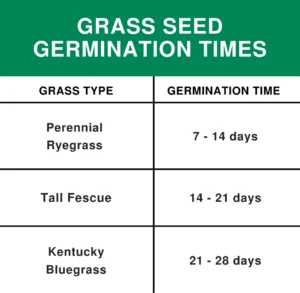
Ryegrass typically takes about 5 to 14 days to germinate, depending on conditions like soil temperature and moisture levels. If you’re eager to see your lawn or garden flourish, understanding how quickly ryegrass can sprout is essential. With the right care, you can expect your ryegrass to begin emerging within a week or two, giving you a green, lush ground cover in no time.
In brief, ryegrass usually germinates between 5 and 14 days after planting. The exact time can vary based on factors like soil temperature, moisture, and seed quality, but with proper conditions, you’ll see signs of growth fairly quickly. Preparing the soil well and keeping it moist will help speed up the germination process and set the stage for a healthy, vibrant lawn.

How Long for Ryegrass to Germinate: A Complete Guide
Ryegrass is a popular choice for lawns, sports fields, and pastures because it germinates quickly and grows lush green carpets. Knowing how long it takes for ryegrass to germinate helps you plan your planting and care schedule efficiently. This guide provides detailed information on ryegrass germination times, factors influencing growth, and tips to ensure healthy development.
Understanding Ryegrass Germination Timeline
Typically, ryegrass seeds start to sprout within a short period after planting. The typical germination time for ryegrass ranges from five to fourteen days. Factors such as soil temperature, moisture, seed quality, and planting method affect this timeline.
Factors Affecting Germination Time
- Soil Temperature: Ryegrass prefers soil temperatures between 50°F and 85°F. Warmer temperatures within this range speed up germination.
- Moisture Levels: Consistent moisture is essential. Dry soil can delay sprouting, while overly wet soil may cause seeds to rot.
- Seed Quality: High-quality, fresh seeds typically germinate faster than old or damaged ones.
- Planting Depth: Seeds should be planted about 0.25 to 0.5 inches deep. Planting too deep delays germination.
- Soil Preparation: Well-prepared, loose soil allows seeds to establish roots quickly, reducing germination time.
Typical Germination Stages for Ryegrass
Stage 1: Imbibition
This initial phase occurs within the first 24 hours after watering or rain. Seeds absorb water, activating their metabolic processes.
Stage 2: Activation of Enzymes
During this phase, enzymes break down stored nutrients, providing energy for sprouting. Germination begins as the radicle (root) emerges.
Stage 3: Radicle Emergence
Usually within 5 to 14 days, the seed’s root breaks through the seed coat. This marks the beginning of seedling growth.
Stage 4: Seedling Development
Following root emergence, the shoot develops, and young leaves appear. The seedling starts establishing itself in the soil.
How to Speed Up Ryegrass Germination
Select High-Quality Seeds
Use fresh, certified ryegrass seeds for quicker germination and better growth results. Avoid seeds that are old or damaged.
Prepare Your Soil Properly
Loosen the soil and ensure it’s free of weeds and debris. Incorporate compost or fertilizer if necessary to provide nutrients.
Maintain Optimal Moisture
Keep the soil consistently moist but not waterlogged. Use light watering if rain does not provide sufficient moisture.
Plant at the Right Time
Plant ryegrass during periods with optimal soil temperatures, generally in early spring or fall, to promote quick germination.
Common Challenges Impacting Ryegrass Germination
Dry Soil Conditions
If the soil dries out, germination can be delayed or seeds may fail to sprout altogether. Constant moisture is key.
Seed Dormancy
Some ryegrass seeds have dormancy mechanisms that require specific conditions or pretreatments to break dormancy and sprout.
Soil Compaction
Heavy, compacted soil restricts seedling growth and delays emergence. Proper aeration can improve conditions for germination.
Pest and Disease Issues
Infections or pests can damage young seedlings, preventing healthy germination. Use appropriate treatments and inspect regularly.
Ryegrass Germination in Different Climates
Temperate Climates
In areas with moderate temperatures, ryegrass typically germinates within the expected five to fourteen days. Spring and fall are ideal planting times.
Hot Climates
Higher soil temperatures may slow germination or cause seed dormancy. Use shade and water management to mitigate heat stress.
Cool Climates
Cooler soils may extend germination time beyond two weeks. Consider soil heating methods or planting earlier in spring.
Comparative Table: Ryegrass Germination Time vs. Other Grasses
| Grass Type | Germination Time | Optimal Temperature Range | Notes |
|---|---|---|---|
| Perennial Ryegrass | 5 to 14 days | 50°F to 85°F | Fast germination, common for lawns |
| Bermuda Grass | 7 to 21 days | 75°F to 95°F | Best in warm climates |
| Fescue | 10 to 21 days | 55°F to 75°F | More tolerant of cooler weather |
| Bentgrass | 7 to 14 days | 55°F to 75°F | Common in golf courses |
Summary of Key Tips for Successful Ryegrass Germination
- Choose high-quality seeds to ensure rapid and uniform sprouting.
- Plant in well-prepared soil that is loose and free of weeds.
- Maintain consistent moisture without overwatering to prevent seed rot.
- Time your planting during optimal soil temperature periods for faster germination.
- Monitor and manage soil conditions regularly to avoid challenges like drought, pests, or compaction.
Additional Related Topics
Best Practices for Ryegrass Lawn Maintenance
Proper watering, mowing, and fertilizing help young ryegrass seedlings mature into healthy lawns. Regular care ensures the grass maintains its lush appearance.
Choosing the Right Ryegrass for Your Area
Different ryegrass types thrive in specific climates. Selecting the right variety can improve germination success and overall growth.
Seasonal Planting Tips
Plant during early spring or fall for the best germination rates, especially in temperate regions. Avoid planting during peak summer heat or winter cold.
Understanding the germination process for ryegrass helps you create the best conditions for a vibrant, dense lawn or pasture. Proper planning and care ensure seeds sprout quickly and grow strong, green shoots in no time.
How Long Does It Take Rye Grass Seed To Germinate? – The Plant Enthusiast
Frequently Asked Questions
What environmental conditions influence the germination time of ryegrass?
Ryegrass germination depends heavily on temperature, soil moisture, and light. Optimal temperatures range between 15°C and 25°C, which encourage quicker germination. Consistent moisture in the soil promotes uniform sprouting, while adequate sunlight helps activate the germination process. If any of these conditions are below optimal levels, germination may be delayed or uneven.
How does soil preparation affect the speed of ryegrass germination?
Proper soil preparation ensures faster germination by creating a conducive environment for seed growth. Loosen the soil to improve aeration and ensure good seed-to-soil contact. Remove weeds and debris that might compete with ryegrass seeds for nutrients and moisture. When the soil is well-prepared and moist, ryegrass seeds are more likely to germinate swiftly.
Can watering frequency impact how quickly ryegrass germinates?
Yes, consistent and adequate watering plays a significant role in germination speed. Frequent moisture ensures the seeds remain hydrated, which triggers the germination process. Avoid letting the soil dry out, as drought stress can inhibit germination or cause uneven sprouting. Maintaining evenly moist soil helps ryegrass seeds sprout within the typical timeframe.
What is the typical timeline for ryegrass to sprout after planting?
Generally, ryegrass seeds begin to germinate within 5 to 14 days after planting. This range varies depending on environmental conditions, seed quality, and soil preparation. Under optimal conditions, you may see sprouts sooner, while less ideal circumstances could extend this period.
How do seed quality and variety affect germination duration?
High-quality seeds with good viability tend to germinate more quickly and uniformly. The choice of ryegrass variety can also influence germination time, as some cultivars are bred for faster sprouting. Using fresh, certified seeds ensures a more predictable and prompt germination process.
Final Thoughts
Ryegrass typically germinates within 5 to 14 days after planting, depending on environmental conditions such as soil temperature and moisture. Cooler temperatures slow down germination, while warmer, moist conditions speed it up. Proper preparation of the soil and consistent watering encourage quicker sprouting.
Understanding how long for ryegrass to germinate helps you plan your lawn care effectively. Generally, expect germination within this timeframe if you maintain optimal conditions. This ensures a healthy, quick start for your ryegrass.