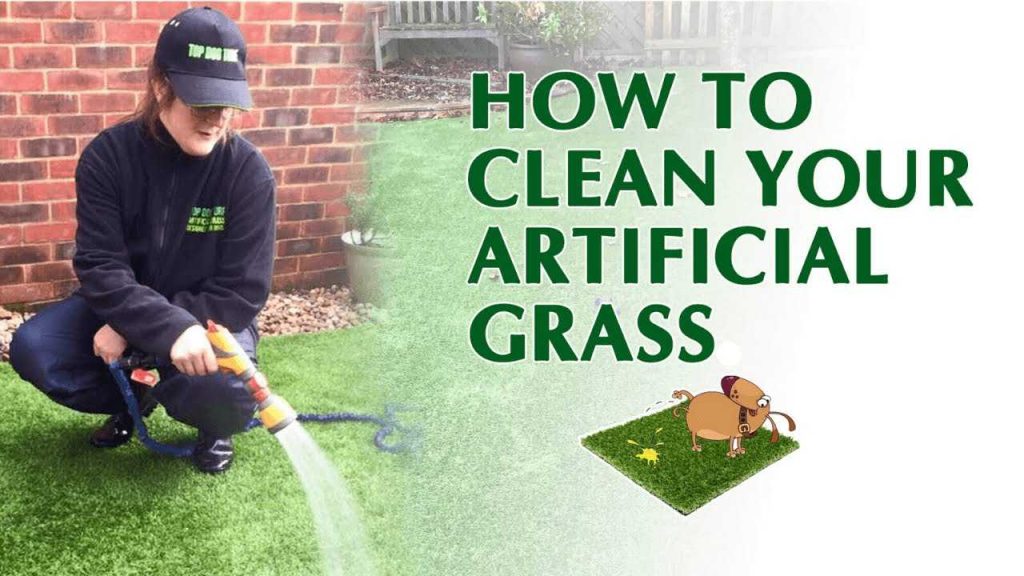
Cleaning fake grass is easier than you might think! Start by removing any debris like leaves or branches with a leaf blower or rake. Next, give your artificial turf a quick rinse with water to wash away dirt and dust. For tougher stains, mix mild soap with water and scrub gently with a soft brush. Rinse thoroughly afterward. If you notice any lingering odors, sprinkling baking soda can help eliminate them. Regular maintenance, including brushing the fibers and keeping the surface clear, will ensure your fake grass stays looking fresh and vibrant.
Maintaining the pristine look of your artificial grass can seem daunting, but with the right techniques, it’s quite straightforward. Fake grass not only enhances your outdoor spaces but also provides a low-maintenance alternative to natural lawns. Whether you have a backyard oasis, a play area for the kids, or a pet-friendly zone, knowing how to properly clean and care for your synthetic turf is essential for longevity and aesthetics. In this guide, we’ll walk you through simple steps to keep your fake grass looking its best year-round, ensuring it remains a beautiful and functional addition to your landscape.

How to Clean Fake Grass
Keeping your fake grass clean is essential for maintaining its appearance and longevity. Fake grass, also known as artificial turf, is a popular choice for both residential and commercial spaces. It’s low-maintenance compared to natural grass, but it still requires some attention. In this section, we’ll dive into the best practices for cleaning fake grass.
The Importance of Cleaning Fake Grass
Cleaning fake grass is essential for several reasons. Firstly, it improves the overall look of your lawn. A clean, well-maintained surface enhances curb appeal. Secondly, it removes debris that can attract pests or cause foul odors. Regular cleaning can help avoid these issues, making your space pleasant and inviting.
Tools You Will Need
Before you start cleaning, gather the necessary tools. Here’s a list to help you prepare:
- A stiff-bristled broom or rake
- A leaf blower or vacuum
- A hose with a spray nozzle
- Eco-friendly soap or cleaning solution
- Soft cloths or rags
- Optional: Garden sprayer for applying cleaning solution
Having the right tools makes the cleaning process more efficient and effective.
Regular Maintenance Steps
To keep your fake grass looking fresh, it’s crucial to perform regular maintenance. Here are some helpful steps:
1. Remove Debris
Start by removing leaves, twigs, and other debris from the surface. You can use a rake or a leaf blower for this task. Doing this regularly will prevent the build-up of organic matter.
2. Brush Your Turf
Use a stiff-bristled broom to brush the grass fibers. This helps to lift the blades and keep them looking upright. Brushing also prevents matting, which can happen over time. Aim to do this about once a month.
3. Rinse with Water
Rinse the turf with water using a hose. This step removes dirt and dust that settles on the grass. A light spray is usually sufficient, but for stubborn spots, you might need to apply more pressure.
Cleaning Stains on Fake Grass
Stains can be an eyesore on your synthetic lawn. Here’s how to tackle them effectively.
1. Identify the Type of Stain
Different stains require different methods to clean. Common culprits include food, drink, pet waste, and mud. Assess the stain type to choose the appropriate cleaning technique.
2. Food and Drink Stains
For spills like soda or juice, act quickly. Blot the area with a soft cloth to absorb as much liquid as possible. Then, mix a few drops of eco-friendly soap with water and scrub gently with a soft cloth. Rinse thoroughly afterward.
3. Pet Waste Cleanup
When cleaning up after pets, pick up solid waste promptly. Use a small plastic bag to collect it. For liquid waste, rinse the area with water to dilute the urine. If odors persist, consider using a pet-safe odor neutralizer to eliminate smells.
4. Tackling Mud Stains
Mud can be stubborn. Allow the mud to dry completely. Once dry, use a stiff broom to sweep it away. If stains remain, a mixture of water and eco-friendly soap can help scrub the area clean.
Deep Cleaning Fake Grass
While regular maintenance is important, deep cleaning your fake grass ensures thorough upkeep. Here are some steps for a more extensive cleaning.
1. Remove all Debris
Start the deep cleaning process by ensuring that the turf is free from leaves, twigs, and other debris. This step allows you to get a clearer view of any stains or areas needing attention.
2. Mix a Cleaning Solution
Create a cleaning solution by mixing water with eco-friendly soap. Avoid harsh chemicals as they can damage the blades.
3. Apply the Cleaning Solution
Using a garden sprayer, apply the cleaning solution evenly across the turf. Focus on heavily soiled areas and stains. Allow it to sit for a few minutes for optimal cleaning.
4. Scrub the Surface
After letting the solution sit, use a stiff brush to scrub the turf gently. Work in sections to ensure even cleaning. Be mindful not to damage the fibers while scrubbing.
5. Rinse Thoroughly
Rinse off the cleaning solution with a hose. Make sure all soap residue is removed, as it can attract dirt if left behind.
6. Allow to Dry
Once rinsed, let the grass dry completely. This step helps prevent mold and mildew from developing.
Seasonal Cleaning Tips
Cleaning your fake grass seasonally is beneficial. Here are some tips tailored for different seasons.
1. Spring Cleaning
Spring is the perfect time for a thorough cleaning. After winter, debris may have accumulated on the turf. Follow the steps mentioned above for deep cleaning, and don’t forget to check for any damage caused by the cold weather.
2. Summer Maintenance
During summer months, high temperatures can cause bacteria growth. Regularly rinsing your grass helps prevent odors. Also, watch for any spills from summer activities, especially from barbecues or parties.
3. Fall Preparations
As leaves begin to fall, ensure you regularly clear your lawn. Accumulated leaves can cause discolored patches on the turf. Cleaning often will maintain the vibrant look of your fake grass.
4. Winter Protection
In winter, avoid using heavy equipment on the turf. Instead, rely on brooms or leaf blowers to remove snow. If ice forms, sprinkle sand to improve traction and prevent damage.
Common Mistakes to Avoid
While cleaning fake grass, it’s easy to make mistakes. Here are a few to be aware of:
- Using harsh chemicals that could cause fading or damage.
- Ignoring debris buildup, which can lead to mold and odors.
- Over-saturating the turf with water, which can cause drainage issues.
- Using high-pressure cleaners, which may damage the grass fibers.
Being mindful of these mistakes will help ensure your fake grass remains in great condition.
When to Seek Professional Help
Sometimes, a cleaning job may be beyond your capabilities. If your turf has significant damage or requires specialized cleaning, it’s best to call in a professional. They have the tools and knowledge to handle complex issues safely.
Keeping your fake grass clean and well-maintained will ensure it looks great for years. With a combination of regular care and proper cleaning practices, you can enjoy a beautiful lawn without the hassle of traditional grass maintenance. Regular cleaning helps keep it free from debris and stains, and seasonal care prevents build-up and damage. A little effort goes a long way in extending the life of your artificial grass.
How To Clean Artificial Grass?
Frequently Asked Questions
“`html
What tools do I need to clean artificial grass?
To effectively clean artificial grass, you will need a few essential tools. Start with a stiff-bristle broom to sweep away debris such as leaves and dirt. A leaf blower can also help remove loose particles. For deeper cleaning, a garden hose with a spray nozzle is useful, along with a mild soap solution for tougher stains. Additionally, a rake can help fluff up the grass fibers after cleaning.
How often should I clean my synthetic turf?
Cleaning your synthetic turf should occur regularly to maintain its appearance and longevity. Typically, you should conduct a basic cleaning every 2-4 weeks, depending on usage and surrounding environment. More thorough cleanings, involving rinsing and stain removal, may be needed once every few months or after heavy use, such as after a pet uses the area.
Can I use chemicals to clean fake grass?
While you can use certain mild detergents to clean fake grass, avoid harsh chemicals or bleach as they can damage the fibers. Always check the manufacturer’s recommendations before applying any cleaning agent. For general maintenance, warm water and a gentle soap solution usually suffice.
How do I remove pet waste from artificial grass?
To clean up pet waste from artificial grass, start by picking up solid waste with a plastic bag. For urine, rinse the area with water using a hose, ensuring proper drainage. For lingering odors, use a mixture of vinegar and water, or pet-specific deodorizers. Always make sure to rinse thoroughly to avoid residue build-up.
Is there any special care needed during winter?
During winter, you should clear off any snow or ice to prevent damage to the artificial grass. Use a plastic shovel or broom to remove snow gently. Avoid using salt or chemical ice melts, as these can harm the grass fibers. If possible, allow the grass to dry out after snow melts to prevent mold growth.
“`
Final Thoughts
Cleaning fake grass regularly keeps it looking fresh and inviting. Start by removing debris like leaves and twigs using a broom or leaf blower. Rinse the surface with water to wash away dust and dirt.
For tougher stains, use a mild detergent mixed with water and scrub with a soft brush.
Ensure proper drainage to prevent water pooling. Following these simple steps will help you understand how to clean fake grass and maintain its appearance for years to come.