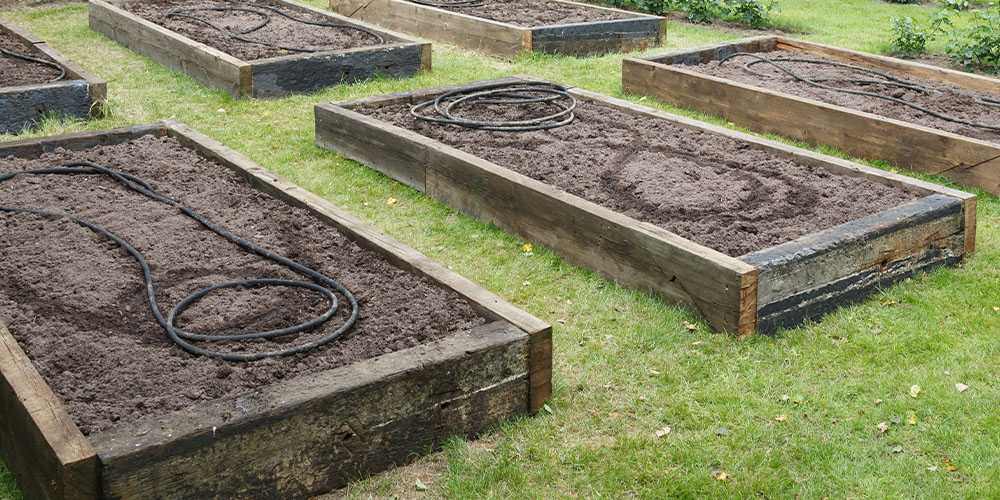
If you’re looking to protect your raised garden bed during the winter months, you’re in the right place. Winterizing is crucial for ensuring your plants—whether they’re perennials or hardy vegetables—thrive when spring rolls around. Start by cleaning out any dead plant material and weeds, as these can harbor pests and diseases. Next, consider adding a layer of mulch to insulate the soil and regulate temperature fluctuations. Covering the bed with burlap or a frost blanket can shield the plants from harsh winds and freezing temperatures. Finally, don’t forget to plan for winter watering, as even dormant plants need hydration. With these steps, your garden bed will be well-prepared for the cold months ahead.
Now, let’s delve deeper into each step to effectively winterize your raised garden bed!

How To Winterize Your Raised Garden Bed
Winterizing your raised garden bed is an essential process that helps protect your plants and soil during the colder months. This task ensures that your garden remains healthy and ready for planting when spring arrives. By taking a few proactive steps, you can safeguard your garden bed from harsh weather conditions and pests. Let’s explore how to effectively winterize your raised garden bed.
Assess Your Garden Bed
Before you start winterizing, take the time to **assess your raised garden bed**. Check for any signs of damage or wear. Look for cracks in the wood or gaps in the soil. Identifying these issues early will help you address them properly.
Inspect the overall health of your plants as well. Some may need to be removed, while others can survive the winter if properly protected. Keeping a close eye on your raised bed’s condition will inform your winterizing strategy.
Remove Dead Plants and Weeds
The first step in winterizing is to **clear out dead plants and weeds**. This process is crucial as decaying plants can harbor pests and diseases. Use a shovel or hand tools to remove the plants, making sure to get the roots as well.
Once the plants are out, rake the bed to eliminate any remaining weeds. A clean bed not only looks better but also provides a healthy environment for the soil. This step prevents unwanted growth in the spring.
Clean Your Tools
Cleaning your gardening tools is often overlooked but is essential for winter preparation. Dirt and debris can lead to rust and damage, reducing the life of your tools.
Use a mixture of soap and water to scrub your tools. After cleaning, dry them thoroughly to prevent moisture buildup. Don’t forget to sharpen blades to ensure they are ready for the next planting season.
Add Organic Matter
Adding organic matter to your raised garden bed improves soil health. Compost, well-rotted manure, or leaf mold are great options. These materials enrich the soil and promote beneficial microorganisms.
Spread a layer of organic matter evenly over the soil. This layer will break down over the winter, enhancing soil structure and fertility by spring. Aim for at least two to three inches of organic compost.
Mulch for Protection
Applying mulch is an effective method to protect the soil in your raised garden bed. Mulch acts as an insulating blanket, helping to regulate temperature and moisture.
Choose organic mulches such as straw, shredded leaves, or wood chips. Spread a layer of mulch approximately three to four inches thick over the soil. This layer will prevent frost from reaching the roots and maintain an even soil temperature.
Cover the Bed
Consider covering your raised garden bed to provide extra protection during the winter months. Floating row covers or frost blankets work well. These covers trap heat and shield your plants from harsh winds and freezing temperatures.
When covering, make sure the fabric is not too tight. It should allow for air circulation while still providing insulation. This technique is especially useful for tender plants that may survive the winter when given some protection.
Consider Planting Cover Crops
Planting **cover crops** can be an excellent strategy to winterize your raised garden bed. Cover crops such as clover or ryegrass help prevent soil erosion and improve soil fertility.
These crops grow throughout the winter, and their roots keep the soil intact. When spring arrives, you can turn these crops into the soil as green manure, adding nutrients back into your garden bed.
Protect Your Wooden Bed Frame
If your raised garden bed is made of wood, protecting the wood from moisture is crucial. Water can cause rot, and freezing temperatures can lead to cracking.
Consider applying a non-toxic wood sealant to the exterior of the bed. This sealant helps to waterproof the wood and extends its lifespan. Check the manufacturer’s instructions for application guidelines to ensure maximum efficacy.
Plan for Drainage
Proper drainage is essential during the winter months. Excess water can lead to root rot and other problems. Ensure that your garden bed has adequate drainage holes.
If your bed does not have holes, consider creating some. You can also elevate the bed slightly if possible, allowing water to flow away from the roots. Maintaining a good drainage system is vital for winterizing your raised garden bed.
Store Your Tools Properly
Once your garden bed is ready for winter, take some time to store your gardening tools properly. Keeping your tools in a dry place prevents them from rusting and being damaged during the winter months.
Use a shed or garage to store your tools. If tools are left outside, they can become damaged from snow and ice. Ensure that your storage area is organized to make it easy to locate tools when spring arrives.
Check for Pests
Pest control is an ongoing process that doesn’t stop with the changing seasons. Inspect your garden bed for any signs of pests or diseases. Look for holes, droppings, or any unusual activity that may indicate a problem.
If you find pests, take action immediately by removing them or applying natural deterrents. Keeping your garden clear of pests will set the stage for a successful spring planting.
Document Your Winterizing Steps
Keeping a record of your winterizing steps helps you plan better for the following years. Write down what worked well and what didn’t. This documentation will serve as a guide for future winters.
Include notes on what plants thrived and which struggled. Over time, this knowledge will help optimize your gardening efforts and ensure your raised garden bed remains productive year after year.
Be Mindful of Winter Weather
Seasonal weather changes can affect your garden bed significantly. Heavy snowfall can compact the mulch and soil, while strong winds can uproot plants.
Keep an eye on the weather reports during the winter months. Be prepared to make adjustments to your garden bed as necessary. This vigilance will help maintain the integrity of your garden during harsh weather conditions.
Prepare for Spring
As winter comes to an end, start preparing for spring planting. Remove any protective covers as temperatures rise. You can then begin to clean and aerate the soil to kick-start the growing season.
Check your organic matter and mulch levels. Replenish them if needed to ensure that your raised garden bed is in optimal shape for planting.
This preparation will ultimately lead to a more successful gardening experience when spring arrives. Taking the time to winterize your raised garden bed sets the stage for a productive growing season.
By following these detailed steps, you can successfully winterize your raised garden bed and ensure a healthy and thriving garden come spring. The right preparation not only protects your plants but also enriches the soil, giving your garden the best chance to flourish.
How I WINTERIZE my Raised Garden Beds | Easy, cheap, and clean
Frequently Asked Questions
What materials should I use to cover my raised garden bed during winter?
Use protective materials like burlap, frost cloth, or cold frames. These materials can help insulate the plants and retain warmth. Ensure that the covers allow for some ventilation to prevent moisture buildup, which could harm the plants.
Can I leave my plants in the raised garden bed throughout the winter?
Leaving hardy plants in the raised garden bed is typically fine, especially if they are well-established. However, remove any tender plants that cannot survive freezing temperatures. For those that remain, consider mulching to provide extra insulation.
How do I prepare the soil in my raised garden bed for winter?
Before winter arrives, amend the soil by adding organic matter such as compost or well-rotted manure. This practice enriches the soil and helps it retain moisture. Additionally, turn the soil gently to aerate it and avoid compaction over the winter months.
Should I continue watering my raised garden bed during winter?
Watering needs vary depending on weather conditions. If the soil becomes dry, provide water, especially during dry spells. However, avoid overwatering, as saturated soil can freeze and damage the roots. Monitor moisture levels and adjust accordingly.
What should I do with garden pests before winter?
Inspect your raised garden bed for pests before winter sets in. Remove any visible pests and consider using organic pest control methods if necessary. Keeping the area clean and debris-free helps prevent pests from overwintering in your garden bed.
How do I prevent soil erosion in my raised garden bed during winter?
To minimize soil erosion, add a layer of mulch over the soil surface. This layer protects against harsh winter winds and heavy snow. Additionally, using cover crops during the fall can help stabilize the soil and prevent erosion throughout the winter months.
Final Thoughts
To winterize your raised garden bed, begin by removing any dead plants and debris. This prevents pests and diseases from overwintering in the soil.
Next, add a layer of mulch to protect the soil structure and retain moisture. Consider covering the bed with a breathable fabric to shield it from harsh weather while allowing air circulation.
Finally, plan for spring by considering cover crops or amendments to enrich the soil. Following these steps will ensure your garden thrives next season. Remember, ‘How To Winterize Your Raised Garden Bed’ is essential for maintaining a healthy garden ecosystem.