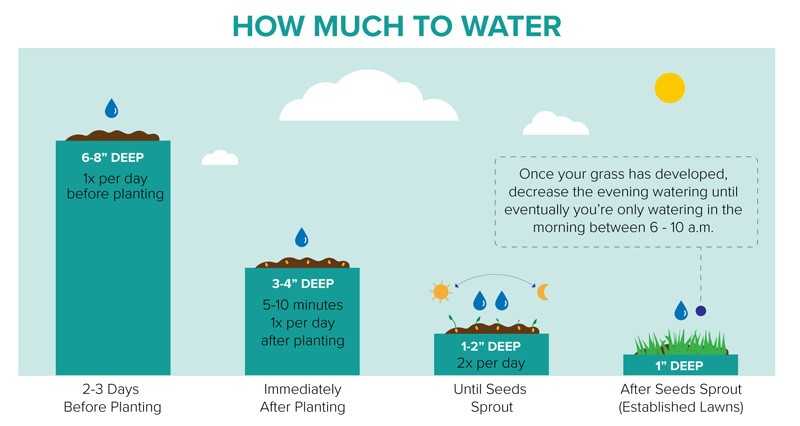
When it comes to watering new grass seed, the key is consistency. For the first few weeks after planting, aim to water your seeds daily, ideally in the early morning or late afternoon, ensuring the soil stays consistently moist but not soggy. This helps the seeds germinate and establishes a strong root system. After the grass starts to grow, you can gradually reduce the frequency to about two to three times a week, allowing the soil to dry out slightly in between. Proper watering is crucial for your new lawn’s health, and getting it right from the start will make all the difference in creating a lush, green yard that you can be proud of. Let’s dive deeper into the best practices for watering your new grass seed.

“`html
How Often to Water New Grass Seed
Watering new grass seed properly is crucial for establishing a healthy lawn. Understanding the right frequency and method can make a huge difference in how quickly the grass germinates and grows. Let’s explore how often to water new grass seed, and provide you with the best practices for achieving a lush, green yard.
The Importance of Watering New Grass Seed
When you plant new grass seed, watering is essential for germination. Grass seeds need moisture to sprout and start growing. Without adequate water, the seeds may dry out, leading to poor germination rates. This can result in bare patches and uneven growth, which is not what any homeowner desires.
Fresh seed is delicate and requires careful attention. A lawn that is watered correctly can thrive, while one that is neglected may struggle to recover. By watering your new grass seed properly, you encourage strong roots and a vibrant lawn.
How Much Water Do New Grass Seeds Need?
To ensure successful germination, new grass seeds require consistent moisture. Here are some general guidelines:
- Seeds need about 1 to 2 inches of water per week.
- It’s best to divide this water into smaller amounts, ideally around ¼ to ½ inch per session.
- Use a rain gauge or an empty container to measure how much water you are applying.
The key is to keep the soil consistently moist but not soggy. Overwatering can lead to other issues, including root rot and fungal diseases.
How Often Should You Water?
Watering frequency varies depending on weather conditions, soil type, and the age of the grass seed. Here are some common scenarios to consider:
- **First 2 weeks**: Water daily, ensuring the top inch of soil stays moist.
- **Weeks 3 to 4**: Gradually reduce watering to every other day.
- **After 4 weeks**: Water 2 to 3 times a week, depending on the conditions.
During hot, dry weather, you may need to increase the frequency. Conversely, in cooler temperatures or rainy conditions, you can reduce watering.
Signs of Underwatering
It’s important to monitor your new grass seed for signs of underwatering. Some key indicators include:
- Grass becomes brown or straw-like.
- Soil feels dry to the touch, especially at the surface.
- Grass wilts or falls over when touched.
If you notice any of these signs, it’s time to adjust your watering routine.
Signs of Overwatering
On the flip side, overwatering can be just as damaging. Look for these signs:
- Excessive puddling or standing water in your yard.
- Grass appears lush but feels spongy underfoot.
- Signs of mold or mildew on the surface of the soil.
If you detect these issues, reduce the frequency and amount of water you are applying.
Best Practices for Watering New Grass Seed
To achieve the best results, follow these best practices:
- Water early in the morning to minimize evaporation.
- Use a light spray nozzle or sprinkler to avoid displacing seeds.
- Monitor weather conditions regularly to adjust your watering schedule.
- Avoid watering at night to reduce the risk of fungal issues.
Implementing these practices will help ensure that your new grass seed establishes itself well.
The Role of Soil and Seed Type
The type of soil and seed you use can greatly influence your watering needs. Consider the following:
– **Soil Type**: Sandy soils drain quickly and may need more frequent watering. Clay soils retain moisture and can hold water longer.
– **Seed Type**: Different grass seeds have varying hydration needs. For example, cool-season grasses may require different watering than warm-season grasses.
Be sure to research the specific needs of the grass seed you choose to tailor your watering routine.
Adjusting Watering Based on Weather Conditions
Always be adaptable based on the weather. Here’s how to adjust your watering schedule:
– **Hot and Dry Days**: Increase watering frequency to compensate for evaporation.
– **Rainy Periods**: Cut back on watering, as natural rainfall may provide sufficient moisture.
– **Windy Conditions**: Wind can dry out soil more quickly, so be prepared to water more frequently.
Being observant of both your grass and the weather will lead to better watering practices.
The Importance of Soil Testing
Before planting your grass seed, consider conducting a soil test. This will give you valuable information about your soil’s nutrient levels and pH. Adjusting the soil can improve water retention and overall grass health.
A soil test can help you decide on any amendments needed and ensure you provide the optimal environment for your new lawn.
Using Mulch to Retain Moisture
Applying a thin layer of mulch can help retain moisture in the soil. Here are some benefits of using mulch:
- Reduces evaporation during hot weather.
- Helps regulate soil temperature.
- Prevents soil erosion and washaway.
When using mulch, be sure to use a light layer so that it doesn’t choke the grass seeds.
When to Stop Watering New Grass Seed
As your new grass reaches 3 inches in height, you’ll need to gradually adjust your watering schedule. Here’s how:
– **Begin to reduce frequency**: Start watering less often as the grass matures.
– **Focus on deep watering**: Encourage deeper root growth by watering less frequently but more deeply.
– **Watch for rain**: Adjust your schedule accordingly if nature provides some water.
Once your grass is established, you can switch to a regular watering routine.
Using Irrigation Systems
Automated irrigation systems can make watering new grass seed easier. Here are some benefits of using them:
– **Consistent moisture levels**: Automated systems help maintain a consistent watering schedule.
– **Time-saving**: You won’t need to water manually every day, leaving you time for other tasks.
– **Customization**: With timers, you can set the exact amount of water and frequency needed.
If you choose to install an irrigation system, ensure it’s adjustable so you can modify it as your grass grows.
Watering New Grass Seed in Different Seasons
The season in which you plant your grass seed plays a significant role in your watering schedule. Take note of these seasonal differences:
– **Spring Planting**: The weather can be unpredictable. You may need to water frequently due to warmer temperatures and winds.
– **Summer Planting**: Heat and sunlight can dry out soil quickly. More frequent watering is necessary.
– **Fall Planting**: Cooler temperatures mean you won’t need to water as often, but early fall can still be warm.
Choosing the right season and adjusting for weather conditions ensures successful germination.
Keep Records of Your Watering Schedule
Keeping a log of your watering practices can help you track what works best. Record details such as:
- The dates you watered.
- Weather conditions at the time.
- Any changes in grass health.
Over time, this will help you refine your watering routine for better growth and health in your lawn.
Incorporating these tips and tricks into your grass-seeding process will lead you toward a beautiful, healthy lawn. Remember that regular adjustments based on observation are key in ensuring your new grass seed flourishes. With dedication and care, your lawn will be the envy of the neighborhood!
“`
3 Phases To Watering New Grass Seeds – How To Do It Properly
Frequently Asked Questions
“`html
What signs indicate that new grass seed needs watering?
Look for signs such as soil that feels dry to the touch, or if the grass starts to wilt or change color to a dull green or brown. Checking for cracks in the soil can also indicate a lack of moisture. If you notice any of these signs, it’s a good time to water your new grass seed.
How can I tell if I’m overwatering my new grass seed?
Signs of overwatering include water pooling on the surface, a spongy feeling when walking on the grass, and the presence of mold or fungus. If you see these signs, reduce your watering frequency to prevent damaging the new grass roots.
Is it necessary to adjust watering frequency based on weather conditions?
Yes, adjusting your watering based on weather conditions is crucial. During hot or windy days, your grass seed may need more frequent watering compared to cooler, humid days. Monitor the weather forecast and adapt your schedule accordingly to ensure optimal growth.
What time of day is best for watering new grass seed?
The best time to water new grass seed is early in the morning, around dawn. This time allows the grass to absorb moisture before the heat of the day causes evaporation. Watering in the evening can lead to prolonged dampness, which may promote diseases.
How long should I run my sprinkler when watering new grass seed?
Typically, running your sprinkler for about 10 to 15 minutes several times a day is beneficial for new grass seed. This duration helps keep the soil consistently moist without flooding it. Adjust based on soil absorption and weather conditions to find the ideal time for your lawn.
“`
Final Thoughts
Watering new grass seed requires consistency for successful growth. Aim to water lightly and frequently, ensuring the top inch of soil remains moist. Typically, you should water daily or every other day, adjusting based on rainfall and temperature.
As the grass matures, gradually reduce the watering frequency while increasing the depth. Understanding how often to water new grass seed helps establish a healthy lawn. Follow these guidelines to promote strong root development and vibrant grass.