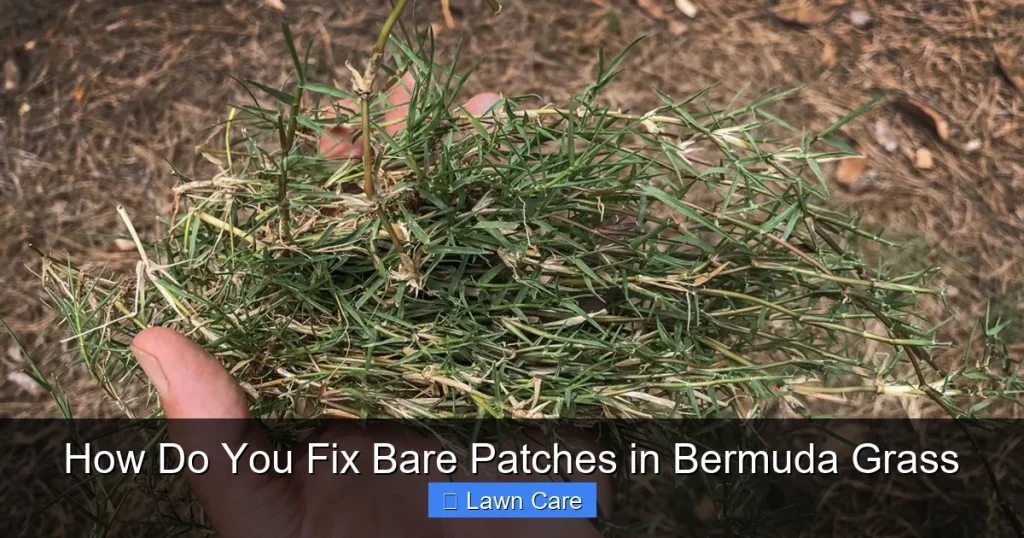
Dealing with bare patches in your Bermuda grass can be frustrating, but it’s a common issue with straightforward solutions. Identifying the cause is the first crucial step, whether it’s pests, disease, or environmental stress. With the right approach, you can restore your lawn’s full, vibrant look.
Bermuda grass is a popular choice for lawns, especially in warmer climates. It’s known for its beautiful green color, durability, and ability to withstand heat and drought once established. However, even the most well-maintained Bermuda lawns can sometimes develop unsightly bare patches. Seeing these spots can be disheartening, but don’t worry! Fixing bare patches in Bermuda grass is definitely achievable. It often just requires a bit of detective work to figure out *why* the patches appeared in the first place, and then applying the right solutions.
These bare areas can be caused by a variety of factors, from common lawn pests and diseases to environmental stresses like improper watering or compacted soil. Understanding these potential culprits is the first step towards restoring your lawn to its lush, full glory. This article will guide you through the common reasons for bare patches and provide practical, step-by-step solutions to help you achieve a healthier, more resilient Bermuda grass lawn.
## Understanding Why Bermuda Grass Develops Bare Patches
Before you can fix bare spots, you need to understand what caused them. Bermuda grass is tough, but it’s not invincible. Several common issues can lead to these unwelcome gaps in your otherwise beautiful lawn. Identifying the root cause is the most important step in successfully repairing your Bermuda grass.
### Insect Infestations
Grubs and chinch bugs are notorious culprits for damaging Bermuda grass and creating brown, dead patches. Grubs are the larval stage of beetles that live underground, feeding on grass roots. You might notice the lawn feeling spongy or lifting up easily in affected areas, almost like a carpet. Chinch bugs are small insects that feed on grass blades, sucking out the vital juices and causing yellowing and browning that can spread rapidly, especially in hot, dry weather.
* Grub Worms: Look for irregular brown patches, especially in late summer or early fall. If you can easily pull up the dead grass, it’s a strong indicator of grub activity. A simple test is to cut a small square of sod and peel it back to look for C-shaped, white grubs.
* Chinch Bugs: These tiny insects thrive in the heat and prefer sunny areas. They cause grass to turn yellow, then brown, and eventually die. You might see them actively moving if you get down close to the grass.
### Fungal Diseases
Fungal diseases are another common enemy of Bermuda grass, often appearing as brown or tan patches. These are frequently exacerbated by conditions like excessive moisture, poor air circulation, and high humidity.
* Dollar Spot: This disease creates small, straw-colored spots, often about the size of a silver dollar. You might see a fine, cobweb-like mycelium on the grass blades in the early morning dew.
* Brown Patch: This is one of the most common fungal diseases affecting Bermuda grass. It typically appears as circular patches that are initially grayish and then turn tan or brown. Often, there’s a darker, smoky-gray border around the edge of the patch, especially in the morning.
* Pythium Blight (Damping-off): This disease can cause rapid wilting and death of grass seedlings and established turf, often appearing as irregular, greasy-looking patches that can quickly turn brown. It’s most common in hot, humid conditions with prolonged wetness.
### Environmental Stressors
Sometimes, bare patches aren’t caused by pests or diseases, but by environmental factors that stress the grass.
* Improper Watering: Bermuda grass is drought-tolerant once established, but it still needs consistent moisture. Both overwatering and underwatering can lead to problems. Overwatering can promote fungal diseases and weaken roots, while underwatering causes the grass to dry out and die. It’s crucial to water deeply but infrequently. For instance, during the summer heat, how often should you water Bermuda grass in summer depends on rainfall and temperature, but aiming for about 1-1.5 inches of water per week, applied in one or two sessions, is a good rule of thumb.
* Poor Soil Conditions: Compacted soil restricts root growth and prevents water, air, and nutrients from reaching the grass. Heavy clay soils or areas with a lot of foot traffic can become compacted. Also, nutrient deficiencies in the soil can weaken the grass, making it more susceptible to damage.
* Excessive Thatch: Thatch is a layer of dead and living organic matter that builds up between the green grass blades and the soil surface. A thin layer is normal, but when it becomes too thick (over half an inch), it can choke out the grass, retain too much moisture, and harbor pests and diseases. You might need to dethatch Bermuda grass if this layer is too thick.
* Pet Urine: Dog urine is high in nitrogen and can burn the grass, creating distinct brown or dead spots. These spots often have a green ring of fertilized grass around the perimeter.
## Step-by-Step Guide to Fixing Bare Patches
Once you’ve identified the likely cause of your bare patches, you can begin the repair process. This usually involves addressing the underlying problem and then revitalizing the damaged areas.
### Step 1: Address the Root Cause
This is the most critical step. If you don’t fix the problem that caused the bare patch, it will likely reappear.
* For Insect Pests: If you suspect grubs or chinch bugs, choose an appropriate insecticide. Follow the product instructions carefully for application rates and timing. For small infestations, you might be able to manually remove grubs if you find them during your inspection.
* For Fungal Diseases: Apply a fungicide labeled for the specific disease you’ve identified. Fungicides work best when applied preventatively or at the very first sign of disease. Improving air circulation and reducing excess moisture can also help prevent future outbreaks. This might involve trimming nearby shrubs or adjusting your watering schedule.
* For Environmental Stress:
* Watering: Adjust your watering habits. Ensure you are watering deeply and less frequently. Check the soil moisture about 4-6 inches down before watering again.
* Soil Compaction: Aerate your lawn. Aerating Bermuda grass involves using a core aerator to remove small plugs of soil. This allows air, water, and nutrients to penetrate the soil and reach the roots. It’s best done when the grass is actively growing.
* Thatch: If the thatch layer is over half an inch thick, you’ll need to dethatch. This can be done with a power rake or a dethatching blade on a mower. It’s best to dethatch when the grass is actively growing and has enough time to recover. You can also scalp Bermuda grass in late spring or early summer to help remove thatch and stimulate new growth, but this is an aggressive practice and should be done carefully.
* Pet Spots: For pet urine spots, immediately water the area thoroughly to dilute the nitrogen. You can then repair the spot as described below.
### Step 2: Prepare the Bare Area
Once the cause is managed, it’s time to get the bare spot ready for new grass.
* Remove Debris: Rake out any dead grass, weeds, rocks, or other debris from the bare patch. You want to expose the soil surface.
* Loosen the Soil: Loosen the top inch or two of soil with a rake or a trowel. This creates a good seedbed for new grass to establish. If the soil is very poor, you can amend it with a thin layer of compost or good quality topsoil.
### Step 3: Re-establish Grass
Now it’s time to fill in those bare spots. There are two primary methods: overseeding or plugging.
* Overseeding: This involves sowing new grass seed into the bare patch.
* Choose the Right Seed: Make sure you are using a high-quality Bermuda grass seed variety that matches your existing lawn. If you’re unsure about what type of Bermuda grass you have, it’s best to consult with your local garden center or extension office.
* Sowing: Sprinkle the Bermuda grass seed evenly over the prepared soil. Lightly rake the seed into the soil to ensure good seed-to-soil contact. Aim for about 1/4 inch deep.
* Watering: Keep the newly seeded area consistently moist. This means light watering multiple times a day, especially in hot weather, until the seeds germinate and the new grass is established. Once the grass is growing, you can gradually transition to a deeper, less frequent watering schedule.
* Timing: The best time to overseed Bermuda grass is when temperatures are consistently warm, typically from late spring through summer. This is when Bermuda grass is actively growing and has the best chance of germination and establishment. For example, when do you plant Bermuda grass seed? Ideally, you want soil temperatures to be consistently between 70-85°F (21-29°C).
* Plugging: This method involves using small pieces of healthy sod (plugs) to fill the bare area.
* Get Plugs: You can either purchase sod plugs from a nursery or cut them from a healthy, established area of your own lawn.
* Planting: Dig small holes in the bare patch, spaced a few inches apart. Place a sod plug in each hole, ensuring it’s at soil level. Gently firm the soil around the plug.
* Watering: Water the plugs thoroughly. Keep them consistently moist until they have established and begun to spread.
### Step 4: Ongoing Maintenance for a Healthy Lawn
Once your bare patches are repaired, it’s essential to maintain your lawn to prevent future problems and encourage healthy growth.
* Fertilization: Feed your Bermuda grass with a balanced lawn fertilizer during its active growing season (spring through fall). Follow the recommended application rates and timings for your area. A healthy, well-fed lawn is more resilient. You might be interested in learning how do you make Bermuda grass thicker and greener, which often involves proper fertilization.
* Mowing: Mow your Bermuda grass at the correct height. For most Bermuda grass varieties, this is around 1/2 inch to 1 1/2 inches. Frequent mowing is key, as you should never remove more than one-third of the grass blade at a time. Regular mowing helps the grass spread and thicken. Check out how often should you cut Bermuda grass for more details.
* Weed Control: Address any weed problems promptly. Weeds compete with your grass for resources and can weaken it. If you’re dealing with invasive weeds like crabgrass, it’s important to know how do you kill crabgrass in Bermuda grass without harming your lawn.
* Regular Inspections: Make it a habit to walk your lawn regularly and inspect it for any signs of pests, diseases, or stress. Early detection makes treatment much easier and more effective.
## Prevention is Better Than Cure
The best approach to dealing with bare patches is to prevent them from happening in the first place. By implementing a consistent lawn care routine, you can create a dense, healthy Bermuda grass lawn that is naturally more resistant to pests, diseases, and environmental stresses.
### Healthy Soil Foundation
Start with healthy soil. Healthy soil supports healthy grass. Regularly test your soil’s pH and nutrient levels. Bermuda grass prefers slightly acidic to neutral soil with a pH between 6.0 and 7.0. Amend the soil as needed based on test results. Good soil structure, achieved through regular aeration, is also vital.
### Consistent Watering Practices
As mentioned, proper watering is key. Avoid the temptation to water a little bit every day. Instead, water deeply when the grass shows signs of needing it (e.g., wilting, a dull bluish-green color). This encourages deep root growth, making the grass more resilient to drought.
### Timely Fertilization and Mowing
Follow a fertilization schedule appropriate for your climate and grass type. This provides the nutrients your grass needs to thrive. Regular mowing at the correct height not only keeps your lawn looking neat but also encourages it to spread and fill in.
### Vigilance Against Pests and Diseases
Stay informed about common lawn pests and diseases in your region. Learn to recognize the early signs of trouble. Quick action can often save your lawn from significant damage.
## When to Call the Professionals
While most bare patch issues can be resolved with DIY methods, there are times when calling a professional lawn care service might be the best option. If you’ve tried multiple solutions without success, or if you’re dealing with a widespread or complex pest or disease problem, a professional can offer expert diagnosis and treatment. They have access to specialized products and equipment and can often save you time and frustration.
Key Takeaways
- Identify the Cause: Bare spots in Bermuda grass have various causes, including insect damage, fungal diseases, grub worms, excessive thatch, poor soil, improper watering, and even pet urine.
- Healthy Soil is Key: Bermuda grass thrives in well-drained, slightly acidic to neutral soil. Soil testing can reveal deficiencies or pH issues that need correction.
- Proper Watering is Crucial: Bermuda grass needs deep, infrequent watering, especially during hot weather. Over or under-watering can lead to stress and bare patches.
- Pest and Disease Management: Regular lawn inspections are vital to catch and treat insect infestations or fungal diseases early.
- Aeration and Dethatching: Compacted soil and excessive thatch can suffocate grass roots. Aerating and dethatching improve air, water, and nutrient penetration.
- Repairing Bare Spots: Once the underlying issue is addressed, bare spots can be repaired by overseeding or plugging with healthy Bermuda grass sod.
- Consistent Maintenance: Regular mowing, fertilization, and weed control are essential for maintaining a dense, healthy Bermuda grass lawn that’s less prone to bare patches.
Quick Answers to Common Questions
What is the fastest way to fix bare patches in Bermuda grass?
The fastest way to fix bare patches is often by using sod plugs or strips of healthy sod cut from another part of your lawn, as they establish roots immediately. Overseeding can also work quickly if conditions are ideal and the seed is kept consistently moist.
Can I just reseed bare spots in my Bermuda grass?
Yes, you can reseed bare spots in Bermuda grass, but it’s crucial to do it during its active growing season (late spring through summer) and ensure the soil stays consistently moist until germination. It may take a few weeks to see significant results.
Why is my Bermuda grass turning brown in spots?
Brown spots in Bermuda grass can be caused by various factors, including insect damage (grubs, chinch bugs), fungal diseases (dollar spot, brown patch), over or underwatering, pet urine, or excessive thatch buildup.
How do I prevent bare patches from coming back in my Bermuda grass?
Preventing bare patches involves addressing the initial cause, maintaining a healthy lawn through proper watering, fertilization, mowing, aeration, and dethatching, and regularly inspecting for pests and diseases.
Is it better to overseed or plug bare spots in Bermuda grass?
Plugging with sod is generally faster for immediate coverage and establishment, while overseeding is often more cost-effective for larger areas. Both methods can be effective if done correctly during the right season.
Conclusion
Bare patches in your Bermuda grass lawn are a common challenge, but they are rarely insurmountable. By diligently identifying the cause – whether it’s pests, diseases, or environmental factors – and implementing the appropriate solutions, you can effectively repair these areas. Remember that a healthy lawn starts with healthy soil, proper watering, and consistent maintenance. By addressing the root cause, preparing the soil, and re-establishing grass through overseeding or plugging, you can restore your Bermuda grass to its former glory. Keep up with regular maintenance, and you’ll have a lush, green lawn that you can be proud of all season long.
Frequently Asked Questions
How long does it take for Bermuda grass to fill in bare spots?
The time it takes for Bermuda grass to fill in bare spots depends on the method used and the environmental conditions. Overseeding can take 2-4 weeks for germination and several more weeks for the grass to thicken. Plugging with sod provides faster coverage, often within a few weeks as the plugs spread.
Can I use a weed killer on bare patches in my Bermuda grass?
You should not use a weed killer directly on bare patches unless the bare patch is caused by a specific weed that needs to be eliminated. If bare patches are due to other reasons, weed killers can further damage or kill any struggling grass trying to regrow.
What is the best time of year to fix bare patches in Bermuda grass?
The best time to fix bare patches in Bermuda grass is during its active growing season, which is typically from late spring through summer when soil temperatures are warm (70-85°F or 21-29°C). This ensures the grass has the best chance to establish.
What if my bare patches are caused by fungus?
If fungus is the cause, you’ll need to apply an appropriate fungicide to the affected area. It’s essential to identify the specific fungal disease to select the correct fungicide. Improving air circulation and avoiding overwatering can also help prevent future fungal issues.
Can too much sun cause bare patches in Bermuda grass?
While Bermuda grass loves sun, extreme heat combined with drought stress can cause it to go dormant or even die in patches if not adequately watered. Other factors like poor soil or disease can exacerbate stress from too much sun and heat.
How do I deal with bare spots caused by grub worms?
To deal with bare spots caused by grub worms, you first need to confirm their presence by checking the soil beneath the affected areas. If grubs are found, apply a grub control product according to the label instructions. After treatment, prepare the soil and reseed or plug the area with new grass.