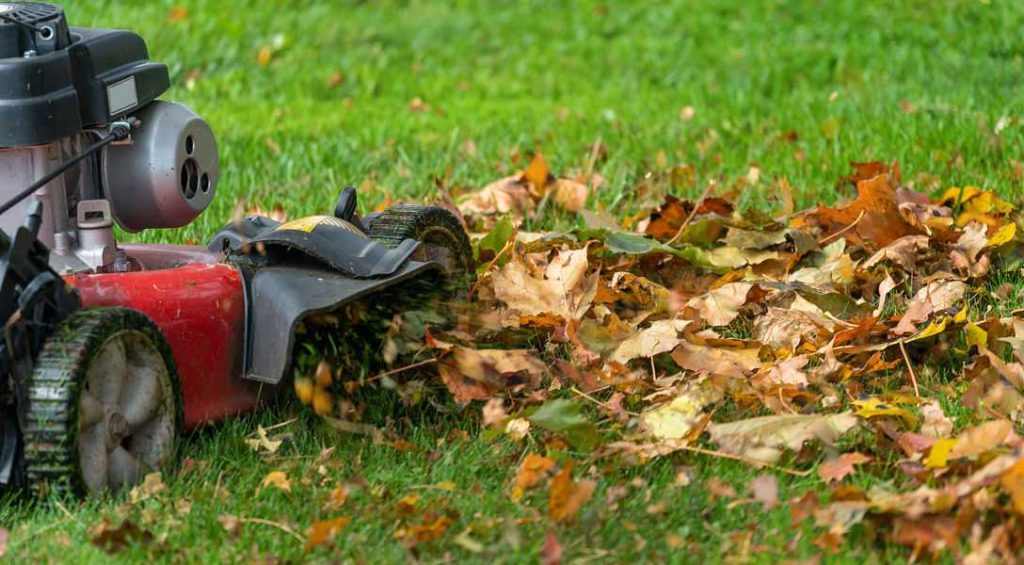
As winter approaches, knowing when to stop mowing your lawn is crucial for its health and appearance. The general rule of thumb is to stop mowing when the grass growth slows down, typically around mid to late fall, depending on your climate and grass type. You want to aim for a leaf height of about 2.5 to 3 inches before the first frost hits. This height helps protect the grass roots while preventing matting and diseases. Keeping your lawn at the right height during this transition not only supports its resilience through winter but also sets you up for a lush, green lawn come springtime. So, keep an eye on the weather and your grass, and you’ll be ready to enjoy the winter months worry-free!

“`html
When to Stop Mowing Your Lawn Before Winter
As winter approaches, it’s crucial to know when to stop mowing your lawn. This timely decision can significantly impact the health and appearance of your grass come spring. Proper lawn care helps ensure your yard thrives once the snow melts, making it lush and green.
The Importance of Knowing When to Stop Mowing
Understanding the right time to stop mowing is essential for several reasons.
- Grass Growth: Grass grows at different rates depending on the season. As temperatures drop, grass growth slows.
- Health of the Grass: Mowing too late can damage the grass, making it susceptible to diseases.
- Aesthetic Appeal: A well-maintained lawn remains visually appealing, even before winter.
Identifying the Right Time
When should you stop mowing your lawn? Generally, the best time to stop mowing is when grass growth significantly slows down. This usually occurs late in the fall.
Look for these signs:
- Temperatures consistently below 50°F.
- Grass stops growing or becomes dormant.
- Frost starts appearing in the mornings.
Seasonal Temperature Changes
Seasonal temperature changes are a crucial factor in determining when to stop mowing. As temperatures drop in the fall, grass begins to conserve energy.
Most cool-season grasses, like Kentucky bluegrass, thrive in temperatures between 60°F and 75°F. Once temperatures drop consistently below 50°F, growth slows down, signaling it’s time to stop mowing.
Grass Types and Their Growth Patterns
Different grass types have varying growth patterns. It’s important to recognize which type of grass you have in your yard.
- Cool-Season Grasses: These grasses grow in cooler months and slow down in the fall. Examples include fescue and ryegrass.
- Warm-Season Grasses: These varieties thrive in hot weather. They usually slow down by late fall. Examples include Bermuda and zoysia.
Understanding your grass type can help you determine when mowing should stop.
Mowing Height Considerations
The height at which you mow your lawn is another factor to consider. Mowing too low before winter can harm your grass.
Here are some guidelines:
- Keep the grass at a height of 2.5 to 3 inches going into winter.
- This height helps protect the roots from freezing temperatures.
- Longer grass can retain moisture, which is beneficial as winter approaches.
Adjusting Mower Settings
Before the last few mows of the season, consider adjusting the mower settings.
Setting your mower slightly higher can help:
- Prevent the grass from getting damaged by frost.
- Encourage deeper root growth.
Frequency of Mowing as Winter Approaches
How often should you mow as winter approaches? Frequency will depend on the growth rate of your grass.
In early fall, you may need to mow every week. However, as temperatures drop:
- Consider mowing every two weeks.
- Evaluate grass growth regularly.
As mowing slows, it’s essential to keep an eye on your lawn’s overall health.
Monitoring Weather Conditions
Weather plays a significant role in lawn care. Keeping an eye on weather changes is vital.
Heavy rains can cause unexpected growth. Similarly, a sudden warm spell may lead to renewed growth.
Make adjustments accordingly. Use the weather to gauge your mowing schedule.
Lawn Care in the Fall
As you prepare to stop mowing, consider other essential lawn care practices.
Fall is an excellent time to:
- Fertilize your lawn to promote healthy roots.
- Seed any bare patches to encourage growth next spring.
- Rake leaves and debris off the lawn.
Taking these steps can help prepare your lawn for winter and improve its health.
Winterizing Your Lawn
Winterizing your lawn is crucial for a successful spring. After your last mow, it’s time to take additional steps.
Consider the following:
- Apply a winterizing fertilizer to help grass roots.
- Consider aerating your lawn if it has heavy traffic.
These steps can set your lawn up for success once spring arrives.
Common Mistakes to Avoid
While preparing for winter, be aware of common mistakes that can harm your lawn.
Here are some to avoid:
- Mowing too low can damage grass plants.
- Neglecting to clean up debris and leaves can smother grass.
- Failing to winterize can lead to poor lawn health.
Steering clear of these mistakes will ensure your lawn remains healthy through winter.
Tips for Maintaining Lawn Health
Maintaining a healthy lawn during the winter months is vital. Here are some tips to keep in mind:
- Limit foot traffic on the lawn during frost.
- Continue to remove leaves and debris.
- Check for signs of disease or pests.
By paying attention to these aspects, you can keep your lawn in great shape.
As the winter months approach, knowing when to stop mowing your lawn is essential for its health and appearance. By understanding your grass type, monitoring temperatures, and maintaining the proper mowing height, you can help ensure a beautiful lawn come spring. With the right care in the fall and a few simple tips, your lawn will be ready to thrive again once winter is over.
“`
When To Stop Mowing Grass | Winter Tips
Frequently Asked Questions
How do I know if my grass is still growing in the fall?
To determine if your grass is still growing in the fall, observe its color and height. Healthy grass remains green and may continue to grow until temperatures drop consistently below 50°F (10°C). You can also check for new growth by noticing fresh blades or increased length. If growth has slowed significantly and the grass appears brown or dormant, it’s likely time to stop mowing.
What factors influence the last mowing of the season?
Should I change my mowing height as winter approaches?
What should I do with fallen leaves before the last mow?
How can I prepare my lawn for winter after the last mow?
Final Thoughts
Knowing when to stop mowing your lawn before winter is crucial for its health. Typically, aim to stop mowing when grass growth slows down, usually in late October. Leaving the grass slightly longer helps it retain moisture and withstand winter stress.
As temperatures drop, the lawn will enter dormancy, making further mowing unnecessary. Keep an eye on the weather and adjust your last mow to ensure a healthy start come spring. Remember, timing your last cut can significantly impact your lawn’s winter resilience.