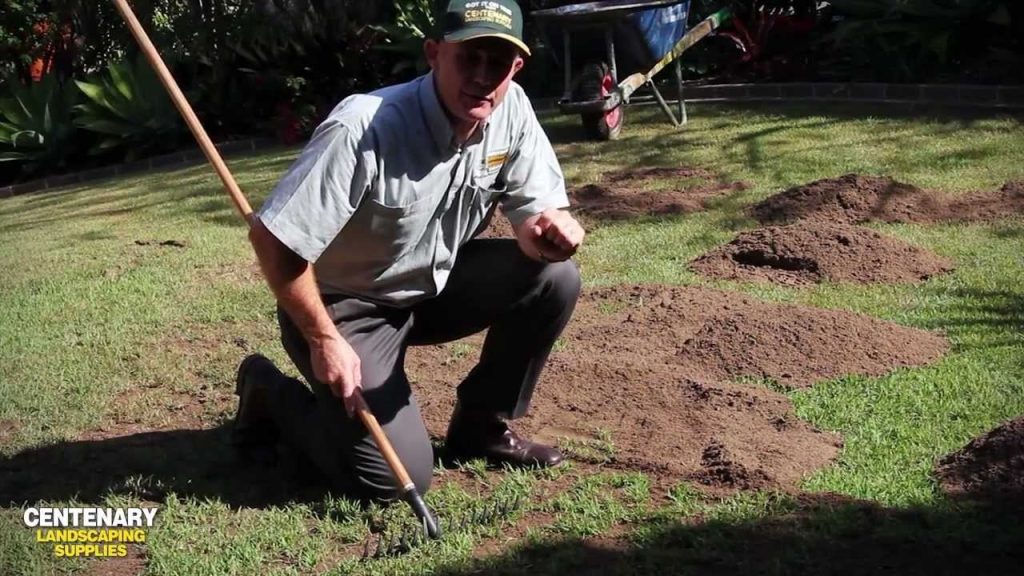
Thinking about when to top dress your lawn? The best time is typically in **early spring or early fall**. These seasons provide ideal conditions for grass to thrive, allowing the new layer of soil and nutrients to integrate smoothly.
Timing is crucial for achieving a lush and healthy lawn. As temperatures rise or fall, the grass responds positively, promoting growth.
So, if you’ve been wondering, “What month should I top dress my lawn?” you now know the answer can set your lawn on the path to a vibrant green!

What month should I top dress my lawn?
Top dressing your lawn is an essential part of lawn care that helps maintain a healthy and lush appearance. It involves applying a thin layer of material, typically a mixture of compost, soil, or sand, to the surface of your lawn. This practice not only improves the nutrient content of your soil but also enhances water retention and helps tackle issues like weeds and thatch buildup. But when is the right time to top dress your lawn? Let’s dive into the best months and factors to consider before top dressing.
Understanding the Best Time for Top Dressing
The timing for top dressing depends on several factors, including your location, the type of grass you have, and the local climate. Generally, the best months for top dressing fall during the growing seasons of spring and fall. Here’s a more detailed look:
Spring Top Dressing
Spring is often considered the prime time for top dressing. Here’s why:
– **Grass Growth**: As temperatures begin to rise, grass starts its growth phase. Top dressing in spring gives the grass an immediate boost in nutrients.
– **Soil Preparation**: If your lawn has experienced any damage from winter, spring top dressing helps to repair and rejuvenate the lawn.
– **Best Soil Conditions**: Spring soil is often moist and workable, making it easier to spread the top dressing material evenly.
However, it’s important to wait until the last frost date in your area has passed before applying a spring top dressing.
Fall Top Dressing
Fall can also be a great time for top dressing, particularly in regions where the summer can be harsh. Here are the benefits of fall top dressing:
– **Preparation for Winter**: Applying a layer of compost before winter can help your lawn prepare for the colder months. It acts as insulation and protects the roots.
– **Fewer Weeds**: During fall, the weed growth typically slows down, which means that top dressing won’t encourage weeds like it might in spring.
– **Moisture Retention**: As temperatures begin to drop, the moisture that is retained by the top dressing can be beneficial for grass as it transitions into dormancy.
Consider your local climate and grass type when deciding whether to top dress in spring or fall.
Factors to Consider Before Top Dressing
Before you grab your compost and start spreading, consider these factors to ensure the best results for your lawn.
Type of Grass
Different types of grass have different growth patterns. Here’s a quick breakdown:
– **Cool-Season Grasses**: These grasses thrive in the northern regions and grow best in temperatures between 60°F and 75°F. The ideal months for top dressing are late spring or early fall.
– **Warm-Season Grasses**: These types grow well in southern climates and prefer temperatures between 80°F and 95°F. They benefit most from top dressing in late spring or early summer.
Soil Condition
Evaluate the current condition of your soil. Here’s what to look for:
– **Thatch Buildup**: If you have a thick layer of thatch (a mix of dead grass and organic material), top dressing can help break it down.
– **Compaction**: If your soil is compacted, top dressing can help improve aeration and promote healthy root growth.
Weather Conditions
Weather plays a key role in lawn care. Be mindful of:
– **Rain Forecasts**: Ideally, plan your top dressing when rain is expected within a few days to help the nutrients seep into the soil.
– **Temperature**: Moderate temperatures help grass to absorb the nutrients from the top dressing effectively. Avoid extreme temperatures.
Choosing the Right Material for Top Dressing
Not all top dressing materials are created equal. Here are some common options and their benefits:
Compost
Using compost is one of the most popular options for top dressing. It enriches the soil and provides essential nutrients. Make sure to use well-decomposed compost to avoid burning your grass.
Soil
Top dressing with soil can help level uneven areas in your lawn and improve drainage. It’s best to use soil that is similar to the existing soil in your lawn to avoid incompatibilities.
Sand
In sandy soils, adding sand can improve drainage and aeration. However, it’s crucial to mix sand with organic materials to ensure that your lawn doesn’t become too dry.
How to Top Dress Your Lawn
Once you’ve decided the right time and material, it’s essential to know how to top dress correctly.
Step-by-Step Guide
1. **Mow Your Lawn**: Start by mowing your lawn to a shorter height. This allows the top dressing material to make good contact with the soil.
2. **Clean Up**: Remove any debris like leaves or branches from the lawn.
3. **Spread the Top Dressing**: Use a shovel or a spreader to apply the top dressing evenly across the lawn. Aim for a 1/4 inch layer, which is sufficient for most lawns.
4. **Rake It In**: Use a rake to help distribute the top dressing evenly and ensure it reaches the soil.
5. **Water Your Lawn**: After top dressing, water your lawn lightly. This helps settle the top dressing into the soil.
Caring for Your Lawn After Top Dressing
Once you’ve completed the top dressing, it’s vital to provide proper care for your lawn to maximize the benefits.
Watering
– After top dressing, apply light watering to help the nutrients soak into the soil.
– Continue with regular watering based on your grass type and climate conditions.
Fertilization
– Wait about 4 to 6 weeks after top dressing before applying any additional fertilizers. This gives the top dressing time to work its magic.
Mowing
– Resume your regular mowing schedule once the grass starts to grow. Mow high to encourage healthy growth.
Aeration
– Consider aerating your lawn before top dressing, especially if you have compacted soil. This allows better penetration of water and nutrients.
Top dressing your lawn is a straightforward process that can greatly enhance its health and appearance. By selecting the right time and materials, you can ensure your lawn thrives and recovers from any seasonal stress. Whether you choose to top dress in spring or fall, keeping these factors in mind can help you achieve a lush, green, and beautiful lawn.
Should You Top Dress Your Lawn??
Frequently Asked Questions
What factors influence the timing for top dressing my lawn?
The timing for top dressing your lawn depends on several factors, including your climate, grass type, and the season’s temperature. In general, colder climates benefit from top dressing in late spring to early summer when the grass actively grows. Conversely, warmer regions may find that early fall is ideal as it allows for recovery before winter. Assess your local weather patterns and grass needs to determine the best timing.
How do I know if my lawn needs top dressing?
Look for signs such as uneven growth, bare patches, or excessive thatch buildup. If your lawn appears compacted or less vibrant than usual, it may be time for top dressing. Additionally, performing a soil test can help you identify nutrient deficiencies that top dressing can address, ensuring your lawn receives the necessary care it needs.
Can I top dress my lawn multiple times a year?
Yes, you can top dress your lawn multiple times a year, but moderation is key. Depending on your grass type and lawn condition, applying top dressing in the spring and fall can yield positive results. However, avoid overdoing it, as excess material can smother grass and lead to poor air circulation and drainage.
What materials should I use for top dressing?
Common materials for top dressing include compost, topsoil, and sand. Compost enriches the soil with nutrients and improves its structure, while topsoil can level the lawn’s surface. Sand helps with drainage, particularly in clay-heavy soils. Ensure you choose the right mixture that suits your lawn’s specific needs and soil type.
Should I water my lawn after top dressing?
Yes, watering your lawn after top dressing is essential. It helps settle the material into the soil and promotes good contact with the grass roots, aiding in nutrient absorption. Be sure to water lightly to prevent runoff, and continue to monitor soil moisture in the days following your top dressing application.
Final Thoughts
Top dressing your lawn is best done in spring or early fall, depending on your climate. These months provide optimal conditions for grass growth and allow the top dressing material to integrate effectively with the soil.
Applying the right mixture during these periods enhances lawn health and appearance, promoting thicker, greener grass.
In conclusion, if you’re asking, “What month should I top dress my lawn?” aim for spring or early fall to achieve the best results for your lawn’s vitality and aesthetics.