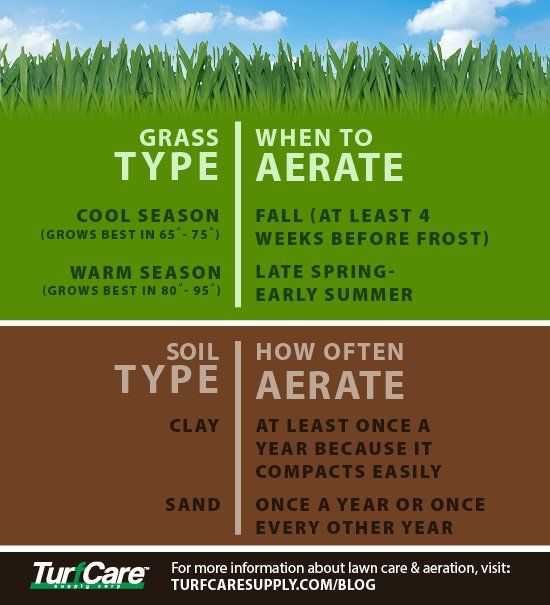
Aerating your lawn is an essential part of maintaining a healthy and vibrant yard. Ideally, you should aerate your lawn at least once a year, but this can vary based on your specific grass type, soil conditions, and foot traffic. If you have particularly compacted soil or a high amount of foot traffic, you might consider aerating twice a year for optimal results. The best times to aerate are during the growing seasons—spring or fall—when your grass can recover quickly. Remember, a well-aerated lawn promotes better nutrient absorption, enhances water penetration, and encourages stronger root growth, leading to a lush, green landscape you can enjoy all year round.

How Often to Aerate Lawn
Aerating your lawn is an essential step to ensure a healthy and vibrant yard. Understanding **how often to aerate lawn** can make a significant difference in the overall appearance and health of your grass. Proper aeration helps to relieve compaction, increase water and nutrient absorption, and promote root growth. In this article, we will explore the factors that influence aeration frequency and provide a comprehensive guide for lawn care enthusiasts.
What is Lawn Aeration?
Lawn aeration involves perforating the soil with holes to allow air, water, and nutrients to penetrate deep into the grass roots. There are two primary methods of aeration:
- Core Aeration: This method removes small plugs of soil from the lawn, which creates holes for air and nutrients to enter.
- Slicing Aeration: This technique uses sharp blades to slice through the soil, which can also help relieve compaction.
Both methods have their benefits, and the choice depends on your lawn condition. Generally, core aeration is more effective, especially for heavily compacted soils.
Factors Affecting Aeration Frequency
Several factors can influence how often you should aerate your lawn. Understanding these factors can help you develop a tailored lawn care plan.
Soil Type
The type of soil in your yard plays a crucial role in determining aeration frequency. Heavy clay soils tend to compact more quickly than sandy soils. As a result, if you have clay soil, you might need to aerate more frequently.
Grass Type
Different grass types have varying growth habits and root systems. For instance, cool-season grasses often thrive with regular aeration during the fall and spring months. In contrast, warm-season grasses benefit from aeration during the late spring and summer when they’re actively growing.
Foot Traffic
High foot traffic areas, such as paths and playgrounds, require more frequent aeration. Heavy use can cause soil compaction, which limits air and nutrient access for your lawn. Assess the areas that see the most foot traffic and plan to aerate them regularly.
Environmental Conditions
Weather can impact how often you should aerate your lawn. Rainy or wet conditions can create muddy soil, which may not be suitable for aeration. Conversely, dry soil can be hard and compact, making it difficult for aeration to be effective. Monitor environmental conditions to determine the best time for aeration.
When to Aerate Your Lawn
Timing is everything when it comes to aeration. Knowing when to aerate is just as important as knowing how often to do it. Here are some guidelines:
Cool-Season Grasses
For cool-season grasses, the best times to aerate are:
- Early Spring: This is when the grass begins to grow actively.
- Early Fall: This is the optimal time for aeration as it allows the grass to recover before winter.
Aerating during these periods encourages healthy growth and prepares the lawn for seasonal changes.
Warm-Season Grasses
Warm-season grasses should be aerated during:
- Late Spring: This is when growth peaks.
- Early Summer: Aeration during this time helps with nutrient absorption during the growing season.
These times align with their active growth phase, allowing the lawn to recover quickly.
How Often to Aerate Lawn Based on Conditions
Now that you know when to aerate, let’s dive into how often to aerate based on specific conditions.
General Recommendations
As a general rule of thumb:
- Heavily Compacted Soil: Aerate 2 to 4 times a year.
- Moderately Compacted Soil: Aerate once or twice a year.
- Lightly Compacted Soil: Once a year is sufficient.
Regular aeration helps keep your lawn healthy and thriving.
New Lawns
If you’ve recently sown a new lawn, it’s best to wait until it’s established, usually around 1-2 years after seeding, before you start aerating. Once established, follow the general recommendations based on soil compaction.
Healthy Established Lawns
For lawns that are well-established and healthy, a good practice is to aerate once a year. This helps maintain soil health and ensures optimal absorption of water and nutrients.
Signs Your Lawn Needs Aeration
Not sure if it’s time to aerate? Look for these signs:
- Visible Compaction: If the soil appears hard and dry, it may indicate compaction.
- Poor Drainage: Water pooling in areas can signal compacted soil.
- Thin Grass: If your grass looks sparse or is struggling to grow, it may need aeration.
- Weed Growth: Weeds often thrive in compacted soil, so an increase in weeds may suggest it’s time to aerate.
Keep an eye out for these signs to maintain a healthy lawn.
Preparing for Aeration
Before you aerate, there are some steps you can take to ensure the process is successful.
Mow Your Lawn
Mow your lawn to a shorter length before aerating. This makes it easier for the aeration equipment to penetrate the soil. Aim for a height of about 2.5 inches.
Watering Your Lawn
Water your lawn a day or two before aerating. Moist soil is easier to aerate compared to dry, hard soil. A well-hydrated lawn will produce better results.
Mark Sprinklers and Other Obstacles
Before aerating, mark any sprinkler heads, electrical lines, or other obstacles in your yard. This will prevent damage during the aeration process.
After Aeration Care
Once you’ve aerated your lawn, proper aftercare will promote healing and growth.
Leave Plugs on the Lawn
After aeration, it’s beneficial to leave the soil plugs on the lawn. They will break down and return nutrients back to the soil.
Fertilize Your Lawn
Consider applying fertilizer after aeration. This will assist in nutrient absorption and help your lawn recover.
Watering Schedule
Water your lawn regularly following aeration. This helps the grass recover faster and promotes root growth. Aim for about an inch of water per week, including rainfall.
Common Aeration Mistakes to Avoid
Here are some common mistakes that could hinder your aeration efforts:
- Aerating at the Wrong Time: Avoid aerating during periods of extreme heat or cold.
- Ignoring Soil Moisture: Ensure the soil is moist before aerating for the best results.
- Over-Aerating: Aerating too frequently can be counterproductive. Follow recommended frequencies based on your lawn’s needs.
By avoiding these mistakes, you can ensure an effective aeration process.
By understanding **how often to aerate lawn** and following the guidelines provided, you can maintain a healthy and vibrant yard. Aeration is a simple yet crucial step, and with proper care, your lawn can thrive season after season. Regular aeration helps eliminate compaction, promotes nutrient uptake, and enhances overall lawn health. So roll up your sleeves, grab your aerator, and give your lawn the care it deserves!
WHEN IS THE BEST TIME TO AERATE YOUR LAWN?
Frequently Asked Questions
What signs indicate that my lawn needs aeration?
Look for several signs that suggest your lawn may benefit from aeration. If the soil feels hard or compacted when you walk on it, or if water pools on the surface instead of soaking in, these are clear indicators. Additionally, if the grass appears thin, struggles to grow, or shows signs of stress despite regular watering and fertilization, aeration can help improve its health and vitality.
Can aeration be done during any season?
Aeration is most effective during the growing season, which varies depending on your grass type. For cool-season grasses, aim for early spring or early fall. Warm-season grasses should be aerated in late spring or early summer. While you can technically aerate at other times, timing it with the grass’s growth cycle maximizes the benefits.
Will aerating my lawn improve its overall health?
Yes, aerating your lawn significantly enhances its health. By alleviating soil compaction, aeration allows air, water, and nutrients to penetrate deeper into the soil. This promotes root growth, improves grass density, and helps your lawn become more resilient to pests and diseases. Over time, you will notice a healthier, lush lawn as a result.
How can I tell if my lawn has been properly aerated?
After aerating, look for visible signs to confirm the process was successful. The soil should have numerous small holes, often 2-4 inches apart, on the surface. Grass should also show signs of recovery, such as vibrant color and improved density within a few weeks. Additionally, if water starts permeating the soil more efficiently after rainfall or irrigation, you’ve aerated effectively.
Should I fertilize immediately after aeration?
Yes, fertilizing after aeration can enhance the results. Aeration creates holes in the soil that allows nutrients to penetrate deeper and reach the root zone more effectively. Apply a quality fertilizer soon after aeration to maximize nutrient absorption and support grass recovery and growth. Make sure to follow the recommended application rates for best results.
Final Thoughts
Aerating your lawn regularly promotes healthy grass growth and improves soil quality. Most experts recommend aerating at least once a year, ideally in the spring or fall when the grass is actively growing.
For lawns experiencing heavy foot traffic or compacted soil, you may need to aerate twice a year to ensure optimal health. Understanding “how often to aerate lawn” helps you maintain a vibrant and lush outdoor space. Prioritize proper aeration to enjoy a thriving lawn for years to come.