Figuring out how much to pay for lawn mowing can be tricky. This guide breaks down all the factors, from lawn size and terrain to added services and market rates, to help you determine a fair price. Understand the variables and ensure you’re getting great value for your money when hiring someone to cut your grass.
Hiring someone to cut your grass can be a huge time-saver and stress-reliever. But when that invoice or estimate arrives, a common question pops up: “How much should I pay someone to cut my grass?” It’s not a simple one-size-fits-all answer. Many elements go into determining a fair price, and understanding them will help you make an informed decision.
This comprehensive guide will walk you through everything you need to know. We’ll explore the key factors that influence pricing, provide examples of what you might expect to pay, and offer tips for getting the best value for your lawn care needs. By the end, you’ll feel confident about negotiating rates and hiring the right person or company to keep your lawn looking its best.
- Lawn Size is King: The most significant factor in pricing is the square footage of your lawn. Larger areas naturally require more time and effort, thus costing more.
- Terrain and Complexity Matter: Sloped yards, obstacles like trees and gardens, and irregular shapes can increase the time and difficulty, leading to higher prices.
- Frequency of Service Affects Cost: Hiring a service for regular, weekly or bi-weekly mowing is usually cheaper per visit than occasional or one-time cuts.
- Additional Services Add Up: Basic mowing is one thing, but if you want edging, trimming, blowing, or weed control, expect to pay extra for these valuable additions.
- Market Rates Vary by Location: Prices for lawn care services differ depending on your geographic area and the local cost of living and labor.
- Quality of Service is Worth Paying For: While budget is important, consider the reputation, reliability, and thoroughness of the service provider when deciding how much to pay.
- Get Multiple Quotes: Always obtain quotes from several lawn care professionals to compare pricing and services offered.
Understanding the Core Factors in Lawn Mowing Costs
Before we dive into specific numbers, it’s crucial to understand what makes lawn mowing prices vary. Think of it like hiring any other service provider; the scope of work, the resources needed, and the expertise involved all contribute to the final cost.
1. Lawn Size: The Biggest Price Driver
This is, by far, the most significant factor. The bigger your lawn, the longer it takes to mow. Lawn care professionals typically measure your lawn in square feet or acres to estimate the time required. A small suburban lot will cost much less than a large rural property.
Example: A quarter-acre lot (roughly 10,890 sq ft) will command a higher price than a tenth-of-an-acre lot (roughly 4,356 sq ft).
2. Lawn Complexity and Terrain
It’s not just about the sheer size. The shape and features of your lawn play a big role.
- Shape: A simple, rectangular lawn is quicker to mow than one with many curves, flower beds, or oddly shaped sections.
- Obstacles: Numerous trees, gardens, retaining walls, or play structures require the mower to navigate around them. This slows down the process and increases the risk of minor damage if not done carefully.
- Slopes and Hills: Mowing on steep inclines is more physically demanding and requires different techniques or equipment, often leading to higher charges.
- Gated Access: If a gate needs to be opened or moved, it adds a small but measurable amount of time.
Tip: If your yard has unique challenges, be sure to mention them when getting quotes. This ensures the estimate is accurate.
3. Grass Type and Height
While not always a primary pricing factor for basic mowing, some professionals might consider grass type and height. For instance, very tall or thick grass can be more difficult to cut, requiring more passes or a more powerful mower. Certain grass types, like St. Augustine, have specific mowing height recommendations that might influence how a professional approaches the job.
Related Article: For those with specific grass needs, understanding how long St. Augustine grass should be cut can inform your expectations.
4. Frequency of Service
Are you looking for a one-time mow, or do you want regular maintenance? The frequency of service usually impacts the per-visit cost.
- Weekly or Bi-weekly: These regular clients are often given a slightly lower per-mow rate because the grass doesn’t get excessively long between cuts, making the job quicker and more predictable.
- Monthly or On-Demand: If you only need mowing occasionally, the service provider has to schedule a visit specifically for you, and the grass might be longer, making the job take longer. This often results in a higher price per mow.
- One-Time Service: This can be the most expensive per-visit option as the provider has to fit you into their schedule for a single job.
5. Location and Market Rates
The cost of living and labor in your specific geographic area plays a significant role. A lawn mowing service in a major metropolitan area will likely charge more than one in a rural town due to higher operational costs (insurance, fuel, labor wages).
Example: Expect to pay more in California or New York than in many parts of the Midwest or South.
6. Additional Services
Most lawn care professionals offer more than just mowing. If you want your lawn to look truly pristine, you might opt for add-on services. These will increase the overall cost.
- Edging: Trimming along driveways, sidewalks, and garden beds.
- Trimming: Using a weed trimmer to cut grass in areas the mower can’t reach (around fences, trees, obstacles).
- Blowing: Clearing clippings from driveways, walkways, and patios.
- Weed Eating: Specifically targeting and removing weeds.
- Fertilizing and Aeration: These are separate, more involved services that will have their own pricing structures. For instance, learning how much to pay for aeration is a different conversation but often part of a comprehensive lawn care plan.
Tip: Decide which services are essential for you. Bundling services can sometimes lead to package discounts.
Estimating the Cost: What to Expect
Now that we’ve covered the “why,” let’s get to the “how much.” Keep in mind these are general estimates, and your actual cost could be higher or lower.
Average Lawn Mowing Prices
For a standard suburban lawn (roughly 5,000-10,000 sq ft) that is relatively flat and obstacle-free, here’s a typical price range:
Visual guide about How Much Should I Pay Someone to Cut My Grass
Image source: i.redd.it
- Basic Mowing (including trimming and blowing): $30 – $75 per visit.
- With Edging: $40 – $90+ per visit.
For larger properties, the pricing might be by the quarter-acre or half-acre.
- Quarter-Acre (approx. 10,890 sq ft): $50 – $100+ per visit.
- Half-Acre (approx. 21,780 sq ft): $75 – $150+ per visit.
- One Acre (approx. 43,560 sq ft): $100 – $250+ per visit.
These figures are for regular service. A one-time mow or a severely overgrown lawn could cost 25-50% more.
Related Article: If you’re curious about specific acreage, check out how much it costs to cut 1 acre of grass for more detailed information.
Steps to Get a Fair Price
To ensure you’re paying a reasonable amount and getting good service, follow these steps:
Step 1: Assess Your Lawn
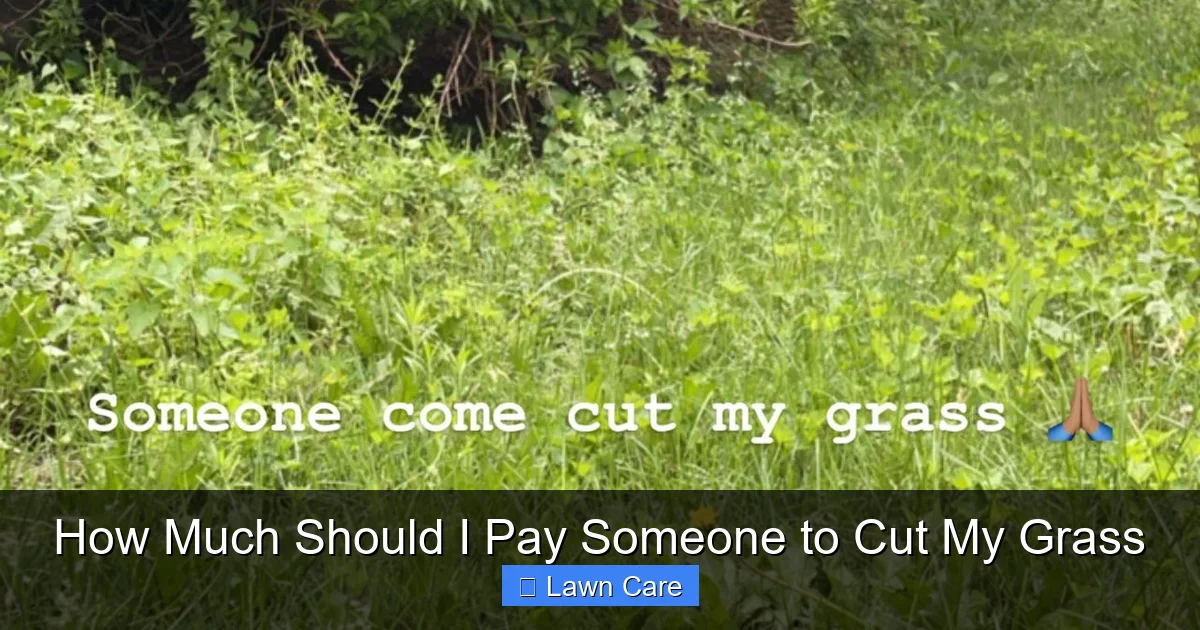
Before you even start calling around, take a good look at your lawn. Measure its approximate size if you can. Note any unique features like steep hills, many trees, flower beds, or tight spaces. Think about the condition of the grass – is it overgrown? Is it generally well-maintained?
Visual guide about How Much Should I Pay Someone to Cut My Grass
Image source: i.redd.it
Step 2: Determine Your Needs
What exactly do you want done? Just a basic mow? Or do you need edging, trimming, and blowing too? Make a list of the services you require.
Step 3: Research Local Rates
Do a quick online search for “lawn mowing services [your city/town]” or “lawn care prices near me.” This will give you a general idea of what others in your area are charging. You can also check local classifieds or community boards.
Step 4: Get Multiple Quotes
This is the most important step! Contact at least 3-5 different lawn care professionals or independent contractors. Ask for their pricing structure and what is included in their basic service. Be specific about your lawn’s size and features.
- Ask about package deals if you plan to use their services regularly.
- Inquire about their insurance – this is crucial for protecting you in case of accidents or damage.
- Ask for references or check online reviews.
Tip: When contacting someone like a neighbor, the pricing might be different. Consider the advice on how much to pay a neighbor to mow the lawn for those more informal arrangements.
Step 5: Compare and Negotiate
Lay out the quotes side-by-side. Don’t just choose the cheapest option. Consider the reputation, professionalism, and the full scope of services offered. If one quote is significantly higher or lower than the others, ask for clarification.
You might be able to negotiate a slightly better rate, especially if you’re signing up for regular service or have a straightforward lawn.
Step 6: Confirm in Writing
Once you’ve decided on a provider, get the agreed-upon services and price in writing. This could be a simple service agreement or an email confirmation. This helps avoid misunderstandings later.
When to Expect Higher Prices
Certain situations will naturally push the price higher than the average. Be prepared for this:
Visual guide about How Much Should I Pay Someone to Cut My Grass
Image source: cdn.diygarden.co.uk
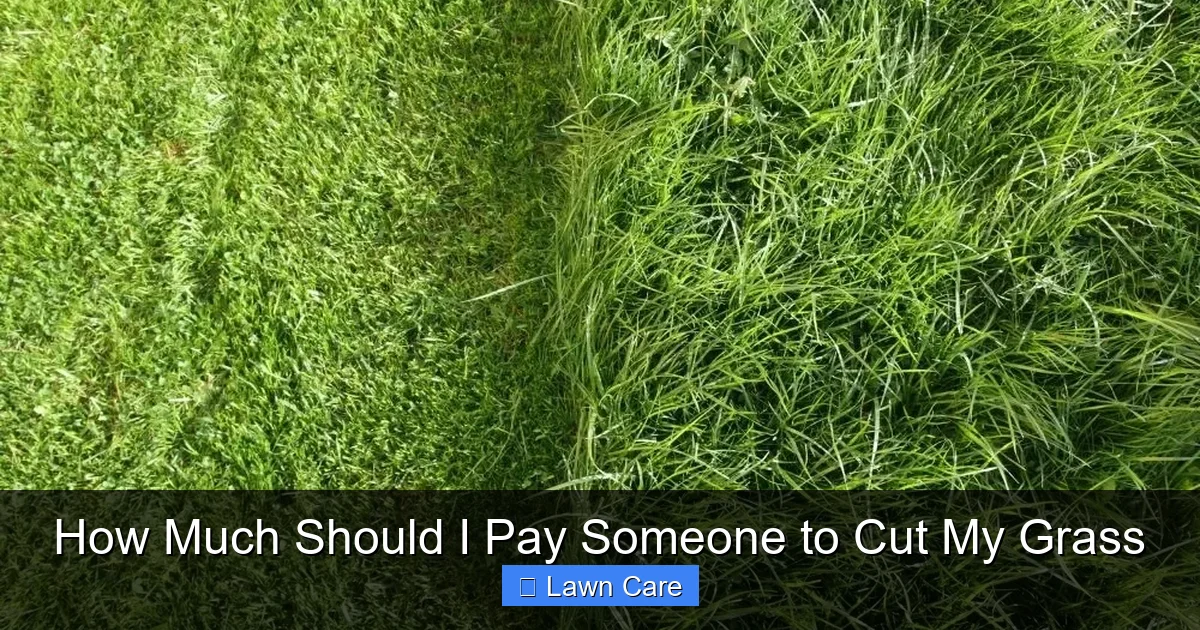
- Overgrown Lawns: If your grass hasn’t been cut in a long time and is significantly overgrown, it will take much longer to mow. Many services charge a “tack-on” fee for this.
- Difficult Terrain: Steep hills, very uneven ground, or extremely dense brush require more effort and time.
- Wet Grass: Mowing wet grass is generally not recommended as it can clog equipment, create clumps, and damage the lawn. If a professional agrees to mow wet grass, they may charge extra for the difficulty and risk involved. Always check how to know if your grass is dry enough to cut to avoid this scenario.
- Small Jobs, High Overhead: For very small yards, the fixed costs (travel time, insurance, equipment maintenance) can make a standard hourly rate seem high. Some professionals might have a minimum service fee.
- Rush Jobs: If you need your lawn mowed on short notice or outside of regular business hours, expect to pay a premium.
Tips for Getting the Best Value
Paying for lawn care doesn’t have to break the bank. Here’s how to get the most bang for your buck:
- Be a Good Client: Keep your lawn reasonably maintained between professional visits. Don’t let it get excessively long or overgrown.
- Clear the Lawn: Before the service arrives, pick up any toys, branches, rocks, or pet waste from the lawn. This saves them time and prevents damage to their equipment (and your property).
- Bundle Services: If you need other lawn care tasks done, see if the company offers package deals for mowing, trimming, and perhaps seasonal cleanups.
- Sign Up for Regular Service: As mentioned, consistent clients often get better rates than one-off jobs.
- Consider a Local Contractor: While large companies have their place, independent contractors or smaller local businesses might offer more competitive pricing.
- Maintain Your Own Equipment (if applicable): If you are considering hiring someone for only part of the job or want to do some yourself, understanding how much to cut grass is a good starting point.
Conclusion
Determining how much to pay someone to cut your grass involves looking at several key factors: your lawn’s size and complexity, the frequency of service, local market rates, and any additional services you require. While general price ranges exist, obtaining multiple quotes from reliable professionals is the best way to get an accurate estimate for your specific situation.
By being an informed homeowner, assessing your needs clearly, and communicating effectively with service providers, you can ensure you’re paying a fair price for quality lawn care. A well-maintained lawn enhances your property’s curb appeal and your enjoyment of your outdoor space, making it a worthwhile investment. Remember, investing in a good lawn care service can save you time, effort, and the satisfaction of a beautiful, healthy lawn.