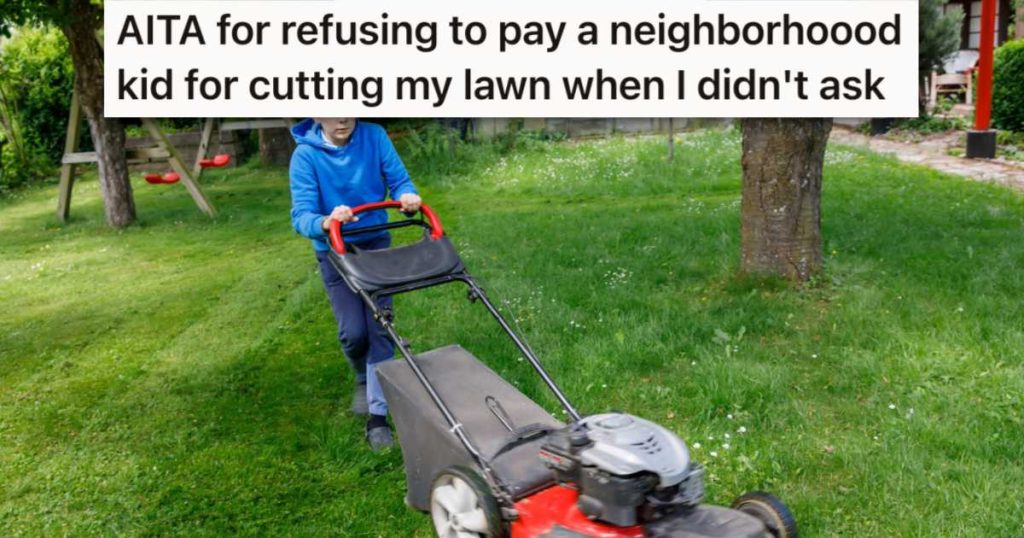
You should typically expect to pay your neighbor between $20 and $50 for mowing your lawn, depending on the size of the yard and the complexity of the job. A quick chat to agree on a fair price can help ensure a smooth arrangement.
In general, paying neighbors between $20 and $50 is considered reasonable, with the exact amount depending on the lawn’s size and the level of effort required. It’s important to communicate clearly and consider local rates to find a fair deal that keeps neighbors happy while reflecting the work involved.
If you’re wondering how much to pay your neighbor to mow your lawn, the key is to consider the size of your yard and the local market rate. Smaller lawns may only warrant $20, while larger or more challenging yards could justify $40 or more. Striking a balance between fair pay and your budget helps foster good neighborly relations and ensures the job gets done properly. Remember, the goal is to be fair and respectful of their time and effort.

How Much Should I Pay Neighbor to Mow Lawn
Understanding Typical Lawn Mowing Rates
Determining a fair payment for your neighbor to mow your lawn depends on several factors. On average, lawn mowing services cost between $30 and $50 for a standard yard. If your neighbor is doing the job as a favor, offering a token of appreciation or a small payment can be appropriate.
Factors Affecting Payment Amounts
Several elements influence how much you should pay your neighbor for mowing the lawn. These include yard size, grass height, frequency of service, and complexity of the lawn. Also, the neighborhood’s average rates can guide your decision.
Size of the Lawn
Larger lawns will naturally take more time and effort to mow, impacting compensation. A small yard under 1,000 square feet typically commands lower pay. Larger properties exceeding 3,000 square feet may warrant increased payment.
Grass Length and Terrain
High or thick grass requires more effort to mow. Hilly or uneven terrain adds to the difficulty, which can influence your neighbor’s workload and the amount paid.
Frequency of Mowing
Regular mowing might lower the amount you pay per session, especially if your neighbor is doing it weekly. Conversely, a one-time or occasional mow might require a slightly higher fee to compensate for the effort.
Average Payment Ranges Based on Yard Size
Understanding common payment ranges can help set expectations.
| Yard Size | Typical Payment Range |
|---|---|
| Less than 1,000 sq ft | $10 – $20 |
| 1,000 to 2,000 sq ft | $20 – $30 |
| 2,000 to 3,000 sq ft | $30 – $40 |
| More than 3,000 sq ft | $40 – $60 or more |
Considering Local Rates and Economic Factors
Rates can vary depending on your location. Suburban and urban areas might have different typical prices. When in doubt, check local listings or ask neighbors about standard rates.
How to Decide on the Right Payment
To determine a fair amount, you should evaluate the effort required, the neighbor’s experience, and your budget. Offering $10 to $20 per session for small yards is common among neighbors. For larger or more complex lawns, $30 or more may be appropriate.
Offering a Fair Compensation
A friendly approach involves discussing expectations openly. You might ask your neighbor what they consider a fair payment for their effort. This fosters good relations and ensures both parties are satisfied.
Additional Ways to Show Appreciation
Monetary pay isn’t the only way to thank your neighbor. Consider offering extra perks such as baked goods, a gift card, or helping with other chores. Sometimes, a simple thank you note can go a long way.
Legal Aspects and Considerations
Having a clear understanding of any potential liability or insurance implications is essential. If the job becomes more involved—like handling fertilizers or trimming bushes—more formal arrangements might be necessary.
Creating a Simple Agreement
It’s helpful to agree on the payment amount, schedule, and scope of work in writing. This can prevent misunderstandings and maintain good neighborly relations.
When to Reassess Payment
If your lawn’s conditions change or your neighbor’s workload increases, revisiting your agreement makes sense. Adjust the payment accordingly to reflect the effort involved.
Examples of Fair Payment Practices
- Offering $15 for a small, straightforward mow
- Paying $25 to $35 for a medium-sized yard with some difficulty
- Providing $50 or more for large, complex lawns or special requests
Summary: Finding the Right Balance
The goal is to compensate your neighbor fairly while respecting their effort and time. Keep communication open, consider local rates, and be flexible with your offer. Doing so helps maintain a good neighborly relationship and ensures the lawn gets the care it needs.
Make $10,000 Per Month Mowing Lawns?!?! #shorts
Frequently Asked Questions
What are common payment ranges for mowing a lawn for a neighbor?
The typical payment for mowing a neighbor’s lawn varies depending on the size of the yard and the local market. On average, you might pay between $20 to $50 per session for a small to medium-sized lawn. For larger properties or lawns requiring more time and effort, the cost can increase to $50 or more. It’s helpful to consider the lawn’s size and the standard rates in your area when deciding on a fair amount.
How should I determine a fair price based on the lawn’s size?
To set a fair price, measure the lawn’s square footage or estimate its size in acres or square meters. Smaller lawns typically warrant lower fees, while larger yards require more work and justify higher payments. As a general guideline, you might pay $0.05 to $0.10 per square foot. Communicating with your neighbor about their expectations and the lawn’s condition can help you agree on a reasonable rate.
Are there factors besides size that influence how much I should pay?
Yes, other factors can impact the payment amount. These include the lawn’s terrain, whether it has obstacles like trees or rocks, and the frequency of mowing needed. If the yard requires extra effort, such as trimming, edging, or removing debris, you might consider paying more. Additionally, the local demand for lawn care services can influence fair pricing, so checking local rates can provide useful guidance.
What payment methods are appropriate when paying a neighbor for lawn mowing?
You can choose from various payment methods based on your preference and what your neighbor prefers. Common options include cash, personal checks, or digital transfers through apps like Venmo or PayPal. Clearly communicate your chosen method and amount beforehand to ensure transparency and avoid misunderstandings.
Should I consider offering a flat fee or paying per visit?
Deciding whether to pay a flat fee or per visit depends on the lawn’s size and maintenance needs. A flat fee offers simplicity and predictability, making it easier to budget for both parties. Paying per visit can work well if the lawn’s condition varies significantly or if mowing frequency changes. Discussing these options with your neighbor helps set clear expectations and ensures both sides feel comfortable with the arrangement.
Final Thoughts
paying your neighbor for mowing the lawn depends on several factors like yard size and local rates. On average, people pay between $20 and $50 per visit. Smaller lawns may cost less, while larger or complex ones might require more compensation.
It’s essential to consider the quality of work and your neighbor’s expectations. Clear communication helps set fair pay and avoids misunderstandings.
how much should i pay neighbor to mow lawn? Ultimately, fair compensation varies, but generally, $25 to $40 is a reasonable range for most neighborhoods.