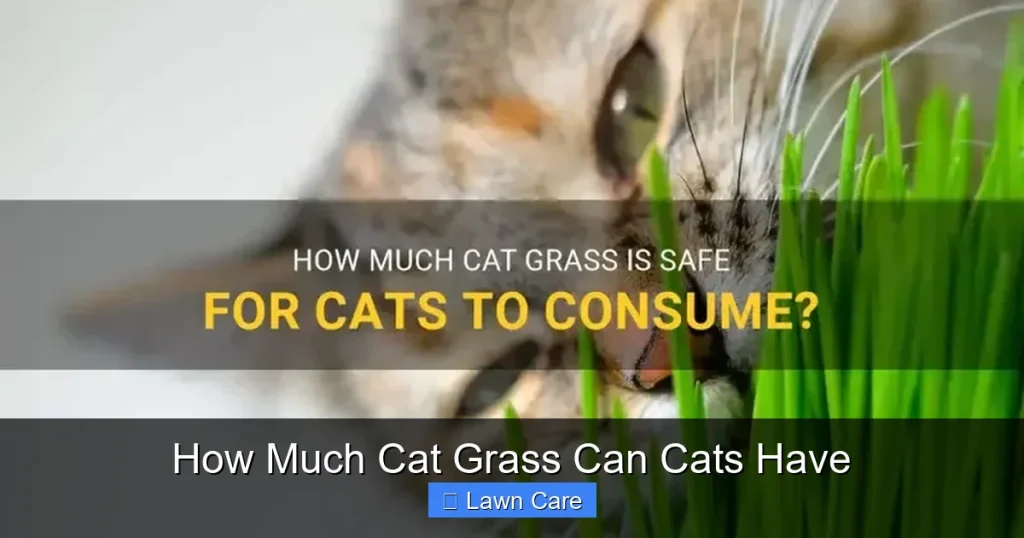
Is your cat eyeing your houseplants or demanding more greens? Cat grass can be a safe and beneficial addition to their diet. This comprehensive guide explores how much cat grass cats can have, covering its advantages, ideal serving sizes, and potential risks. Learn to introduce this natural treat to your feline companion responsibly.
## How Much Cat Grass Can Cats Have? A Complete Guide
Many cat owners wonder about the best way to supplement their feline’s diet and enrich their environment. One popular and natural option is cat grass. Cats, especially indoor ones, often crave greenery, and providing them with cat grass can satisfy this urge while offering potential health benefits. But a common question arises: how much cat grass can cats have? It’s not a one-size-fits-all answer, and understanding the nuances is crucial for your cat’s well-being.
This guide will delve into everything you need to know about feeding cat grass to your feline friend. We’ll cover what cat grass is, why cats love it, the benefits it offers, and most importantly, how to determine the right amount for your individual cat. We’ll also touch upon potential risks and how to manage them. By the end of this article, you’ll feel confident in offering this natural treat responsibly.
### What Exactly is Cat Grass?
Before we discuss quantities, let’s clarify what “cat grass” actually is. Unlike the grass you might find in your lawn, cat grass is typically a mix of easily digestible cereal grains. Common varieties include:
* **Wheatgrass:** One of the most popular choices, known for its high nutritional value.
* **Oat grass:** Similar to wheatgrass, it’s palatable and easy to grow.
* **Barley grass:** Another common and safe option for cats.
* **Rye grass:** Often included in cat grass seed mixes.
You can buy pre-made cat grass seed mixes at pet stores or grow your own from these individual seeds. It’s important to ensure you are using seeds specifically meant for cat grass, as some common lawn grasses can be more fibrous and harder for cats to digest, or even toxic. For example, while some might consider planting regular lawn grass, it’s best to stick to the recognized cat grass varieties. If you are interested in growing different types of grasses, understanding specific needs like how much sun does Bermuda grass need can be helpful for general lawn care knowledge, but not for your cat’s edible greens.
### Why Do Cats Eat Grass?
It’s a common sight to see cats nibbling on grass, whether it’s your houseplants, your lawn, or a dedicated pot of cat grass. There are several theories why cats engage in this behavior:
* **Digestive Aid:** Grass can act as a natural emetic, helping cats to vomit up indigestible material like fur from hairballs, feathers, or bones from prey. This is a crucial part of their natural grooming process.
* **Nutritional Supplement:** Wild cats often consume prey that includes plant matter. Domesticated cats may instinctively seek out the nutrients, like folic acid (a B vitamin), found in grass.
* **Fiber Source:** The fiber in grass can aid in digestion, helping to move food through the digestive tract and prevent constipation.
* **Natural Instinct:** It’s simply a natural behavior passed down from their wild ancestors. Even though your indoor cat doesn’t hunt, the instinct to chew on greenery remains.
* **Taste and Texture:** Some cats might just enjoy the taste and the sensation of chewing on grass.
### The Benefits of Cat Grass for Your Feline
Providing your cat with safe, designated cat grass offers several advantages:
* **Reduced Hairballs:** By encouraging vomiting of ingested fur, cat grass can help minimize the frequency and severity of hairballs, which can be uncomfortable and even dangerous for cats.
* **Improved Digestion:** The fiber content can promote healthy bowel movements and alleviate mild constipation.
* **Nutrient Boost:** Cat grass contains vitamins and minerals, including folic acid, which is important for hemoglobin production.
* **Satisfies Natural Instincts:** It provides an outlet for your cat’s natural desire to chew on plants, redirecting them away from potentially toxic houseplants or your prize-winning garden.
* **Enrichment:** For indoor cats, cat grass offers a stimulating and enjoyable addition to their environment, combating boredom.
* **Helps with Upset Stomachs:** In some cases, cats may instinctively turn to grass to help settle mild stomach upset.
### How Much Cat Grass Can Cats Have? Understanding Safe Portions
Now, let’s get to the core question: how much cat grass can cats have? The general rule of thumb is **moderation**. While beneficial, overconsumption can lead to digestive upset.
#### General Guidelines:
* **Small Nibbles:** For most cats, a few small nibbles here and there is perfectly fine. This might mean allowing them access to a small pot of cat grass for a few hours a day.
* **No Limit on Access (with caveats):** If your cat is only taking small amounts, you might not need to strictly limit their access. However, it’s wise to monitor their intake.
* **Listen to Your Cat:** The best way to determine the right amount is to observe your cat’s behavior and reaction after they’ve eaten it.
#### Factors Influencing How Much Your Cat Can Have:
1. **Age:**
* **Kittens:** Kittens are still developing their digestive systems. It’s best to introduce cat grass to kittens in very small amounts, perhaps just a few blades, to see how they react. Monitor for any signs of stomach upset.
* **Adult Cats:** Adult cats generally tolerate cat grass better. They can usually handle a bit more, but still, excessive amounts should be avoided.
* **Senior Cats:** Older cats might have more sensitive digestive systems. Start with small amounts and observe.
2. **Health and Sensitivity:**
* **Digestive Issues:** Cats prone to digestive problems, such as sensitive stomachs or inflammatory bowel disease (IBD), may be more susceptible to upset from grass. In these cases, offer very small amounts or consult your veterinarian.
* **Underlying Conditions:** If your cat has any pre-existing health conditions, it’s always best to speak with your vet before introducing new foods or treats, including cat grass.
3. **Diet:**
* **Balanced Diet:** Cats on a high-quality, balanced commercial cat food likely don’t *need* cat grass for nutritional supplementation. It’s more for enrichment and digestive support.
* **Raw Diets:** Cats on raw diets might already be consuming various components that provide fiber. The need for additional fiber from grass might be less, but it can still be offered as a treat or for hairball management.
4. **Type of Cat Grass:** While most cat grasses are safe, very fibrous types might be harder to digest in large quantities. Stick to reputable seed mixes.
### Signs of Overconsumption and What to Do
Even with the best intentions, your cat might overdo it on the cat grass. Here’s what to look out for:
* **Vomiting:** This is the most common sign. Grass can irritate the stomach lining, and if a cat eats too much, they may vomit. This can be considered a desired effect if it’s to expel hairballs, but frequent or forceful vomiting is a concern.
* **Diarrhea:** Excessive grass intake can disrupt the digestive system, leading to loose stools or diarrhea.
* **Lethargy:** If your cat seems unusually tired or uninterested in playing after eating grass, it could be a sign of digestive discomfort.
* **Loss of Appetite:** If your cat refuses their regular food after consuming a large amount of grass, it might indicate stomach upset.
#### What to Do If Your Cat Eats Too Much:
1. **Remove Access:** Temporarily remove the cat grass to give your cat’s digestive system a break.
2. **Monitor Closely:** Keep a close eye on your cat for any worsening symptoms.
3. **Offer Bland Food (if necessary):** If your cat is experiencing diarrhea, you might consider offering a small amount of plain, boiled chicken (no seasoning) or a veterinary-recommended bland diet.
4. **Hydration:** Ensure your cat has access to plenty of fresh water.
5. **Consult Your Veterinarian:** If vomiting is severe or persistent, if your cat shows signs of dehydration, extreme lethargy, or if the diarrhea doesn’t improve within 24-48 hours, contact your veterinarian immediately. They can rule out other underlying issues and provide appropriate treatment.
### How to Introduce Cat Grass Safely
When you first introduce cat grass to your feline companion, take a gradual approach:
1. **Start Small:** Offer just a few blades at first. Let your cat sniff it, play with it, and take a tentative bite.
2. **Observe:** Watch your cat’s reaction. Do they seem interested? Do they eat it? Do they show any signs of discomfort afterward?
3. **Increase Gradually:** If your cat tolerates a small amount well, you can gradually increase the quantity over a few days or weeks.
4. **Offer as a Treat:** Think of cat grass as a healthy treat or supplement, not a main food source.
5. **Provide Freshness:** Offer fresh grass regularly. Wilted or old grass is less appealing and potentially less digestible. You can harvest it as needed or replace the pot every week or two.
### Growing Your Own Cat Grass
Growing your own cat grass is a rewarding and cost-effective option. Here’s a simple guide:
#### Materials You’ll Need:
* Cat grass seeds (wheat, oat, barley, or a mix)
* A small pot or container with drainage holes
* Potting soil (organic, if possible)
* Water
#### Step-by-Step Growing Instructions:
1. **Prepare the Pot:** Fill your pot with about 2-3 inches of potting soil.
2. **Sow the Seeds:** Scatter the seeds generously over the soil. You want a dense planting for good coverage. Lightly press them into the soil, or cover with a very thin layer of soil.
3. **Water Lightly:** Moisten the soil thoroughly but avoid waterlogging it.
4. **Provide Warmth and Light:** Place the pot in a location that receives indirect sunlight. Most cat grass varieties don’t need intense direct sun, and some even prefer it. A warm spot will encourage germination.
5. **Germination:** You should see sprouts within 3-7 days, depending on the type of seed and conditions.
6. **Growth:** Once the grass is about 1-2 inches tall, it’s ready for your cat to nibble. Continue to keep the soil moist.
7. **Maintenance:** Harvest the grass by snipping it with scissors. Avoid letting it get too tall and leggy, as it becomes less palatable. Re-sow seeds every few weeks to ensure a continuous supply. For those interested in optimizing plant growth, understanding principles like how much water does Bermuda grass need or how much sunlight does Bermuda grass need can be useful, although cat grass typically has simpler requirements. You can even explore methods like how to grow cat grass without soil if you prefer a hydroponic approach.
### Cat Grass vs. Other Plants
It’s crucial to distinguish cat grass from other plants that might be in your home or garden. Many common houseplants are toxic to cats, including lilies, tulips, and dieffenbachia. Even seemingly harmless garden plants can cause digestive upset or more severe reactions. Always be sure that any plant your cat has access to is non-toxic.
If you’re curious about different types of grasses, researching their specific needs, such as how much is St Augustine grass at Home Depot or how much is bent grass, is informative for general landscaping but remember these are distinct from edible cat grass.
### When to Consult Your Veterinarian
While cat grass is generally safe, there are instances where professional advice is necessary:
* **Persistent Vomiting or Diarrhea:** As mentioned, if these symptoms don’t resolve quickly or worsen.
* **Lethargy and Dehydration:** These are serious signs that require immediate veterinary attention.
* **Suspected Plant Poisoning:** If you think your cat may have ingested a toxic plant, contact your vet or a pet poison control hotline immediately.
* **Pre-existing Health Conditions:** Always err on the side of caution and discuss any dietary changes with your vet if your cat has existing health issues.
### Conclusion
Cat grass is a wonderful, natural treat that can provide enrichment and health benefits for your feline companion. The question of “how much cat grass can cats have?” is best answered with “in moderation.” Start with small amounts, observe your cat’s tolerance, and adjust accordingly. By understanding your cat’s individual needs and watching for signs of overconsumption, you can confidently offer this healthy greenery as part of their enriched life. Remember, it’s a supplement and a treat, not a replacement for a balanced diet. Enjoy watching your cat enjoy their fresh, green treat!
Key Takeaways
- Moderation is Key: While beneficial, too much cat grass can lead to digestive upset in cats.
- Signs of Overconsumption: Watch for vomiting, diarrhea, or lethargy, which indicate your cat has eaten too much.
- Start Small: Begin with a tiny amount of cat grass, especially for kittens or cats new to it, to gauge their tolerance.
- Digestive Aid, Not Meal Replacement: Cat grass acts as a mild laxative and can help with hairballs, but it shouldn’t replace their balanced diet.
- Individual Needs Vary: Factors like age, health, and individual sensitivity determine how much cat grass a cat can tolerate.
- Observe Your Cat: The best indicator of appropriate consumption is your cat’s reaction and behavior after eating cat grass.